


Why Emeralds Differ in Color, Clarity, and Appearance
Finding out difference between two gems extracted from same mine is all you need for getting their geology, and other difference in its color, clarity, transparency, and design pattern.
In appearance a lot of gems from same mine are alike, however if you dig more you will be able to examine their difference with each other that is not easily visible to observers and buyers right away.
Geology makes gems easy to track especially emerald and its respective family members. Geological relation reveals how and why few emeralds are more than their appearance, and what makes them remarkable from other gems in its category.
In appearance, two gems from same family are comparable, they can have similar or other factors that makes them look and appear fine and polished. However, if we compare them with each other in worth, or price, it gets more interesting than their similarity or alikeness.
Few of gems look dense compared to gem with high clarity and transparency that they display or reflect in presence of other gems. High density makes gems absorb more energy that they gain from light over transparent choices. They appear polished and attractive to buyers and gem owners.
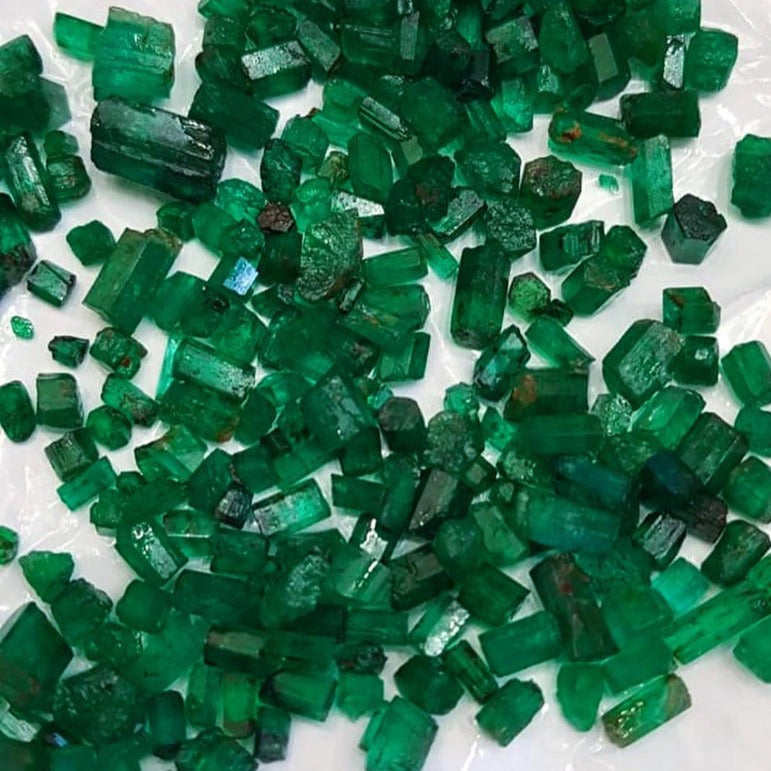
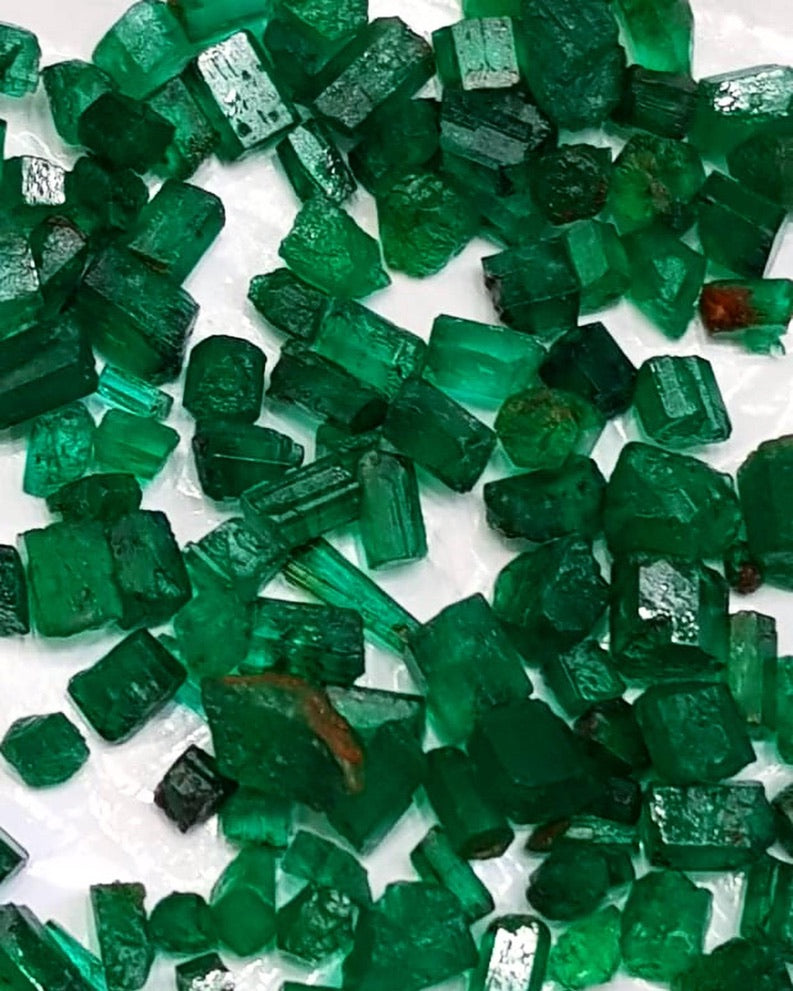
See emeralds before cutting

Explore rough emerald gemstones to compare natural crystal shapes and the range of appearances found in uncut material.
Geological Origins and Emerald Crystal Formation
Mining or source code makes crystal structure or design pattern of gems distinct over appearance-based similarity between a couple of gems, their development requires similar factors like heat, high pressure, and light energy for refining. Initially, appearance based similar gems get separated out from other gems present in one area or from same geological source. Their resemblance with each other shapes their development and refinement provided to a lot of them before they are discovered or found out.
Appearance based common factors help to narrow down a group of gems, it does not ensure their value or worth.
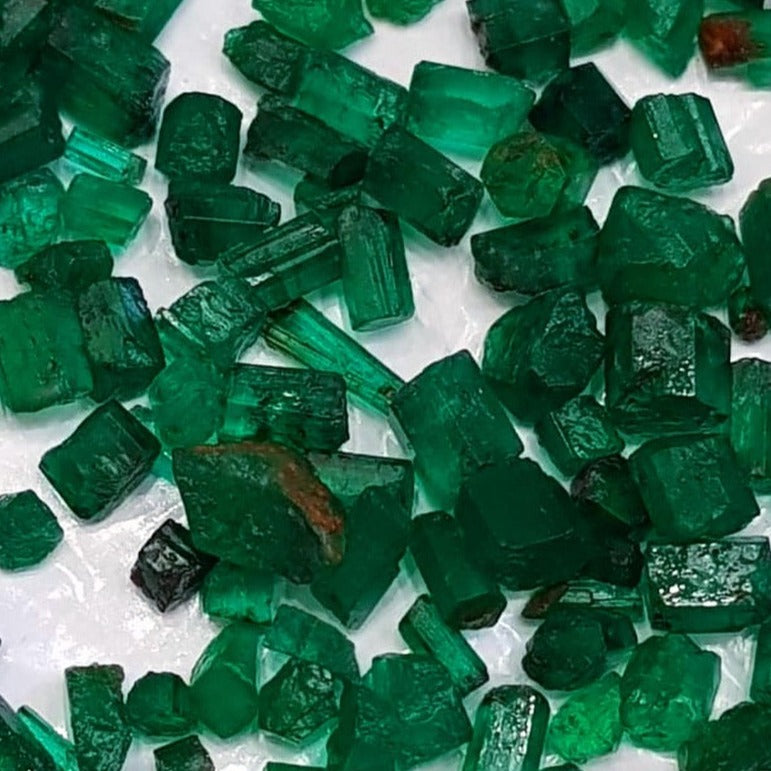
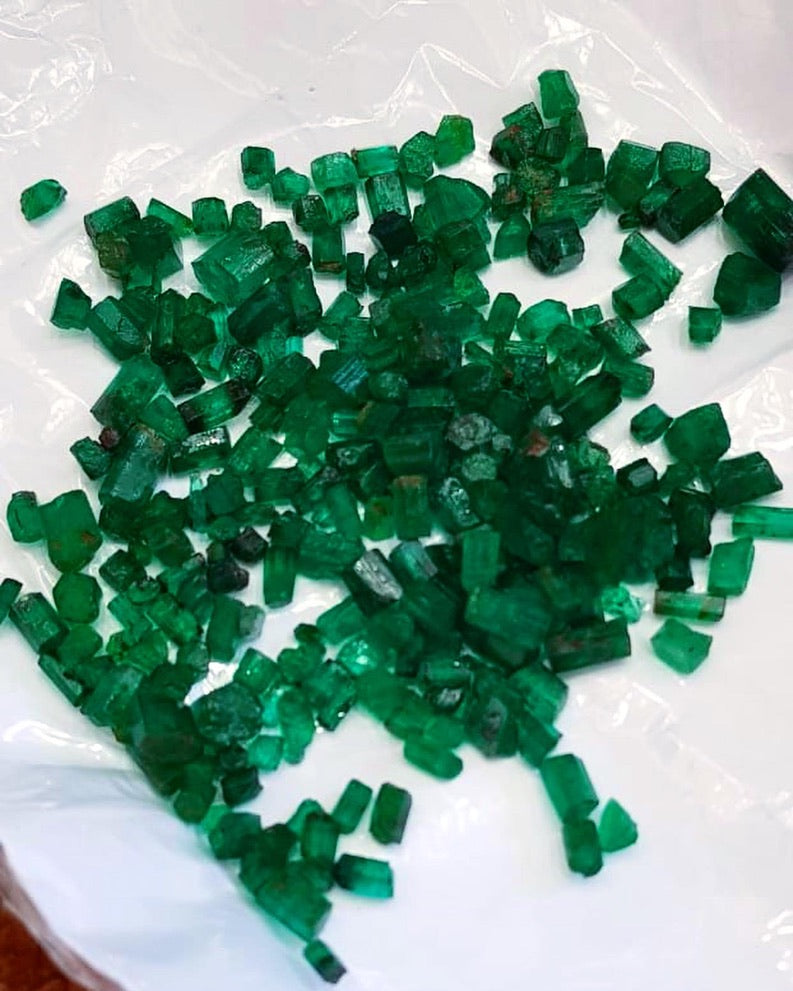
Study rough Panjshir emeralds

View this 150-carat rough emerald parcel for faceting and examine the listing details before planning a cutting project.
Deep and dark undertones
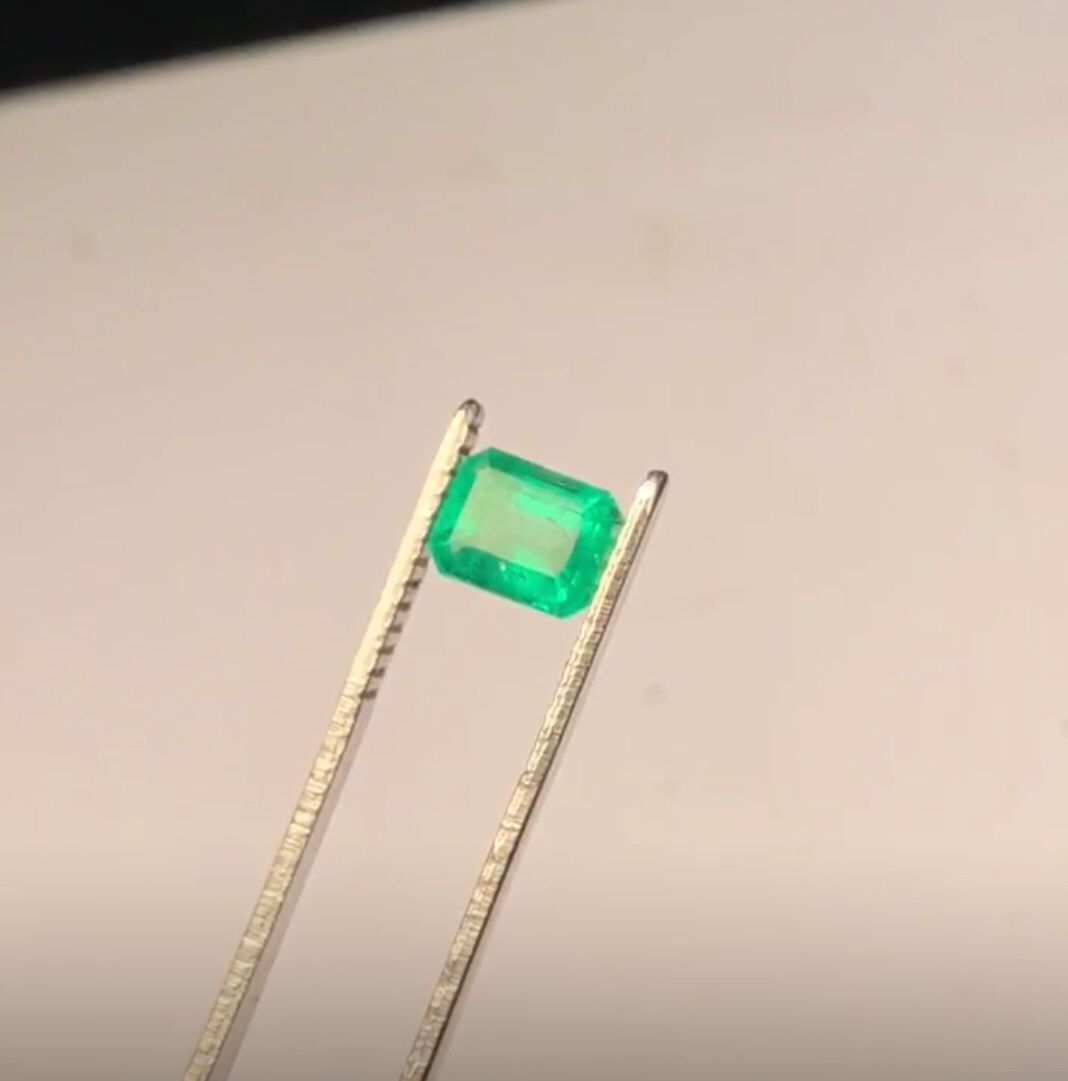
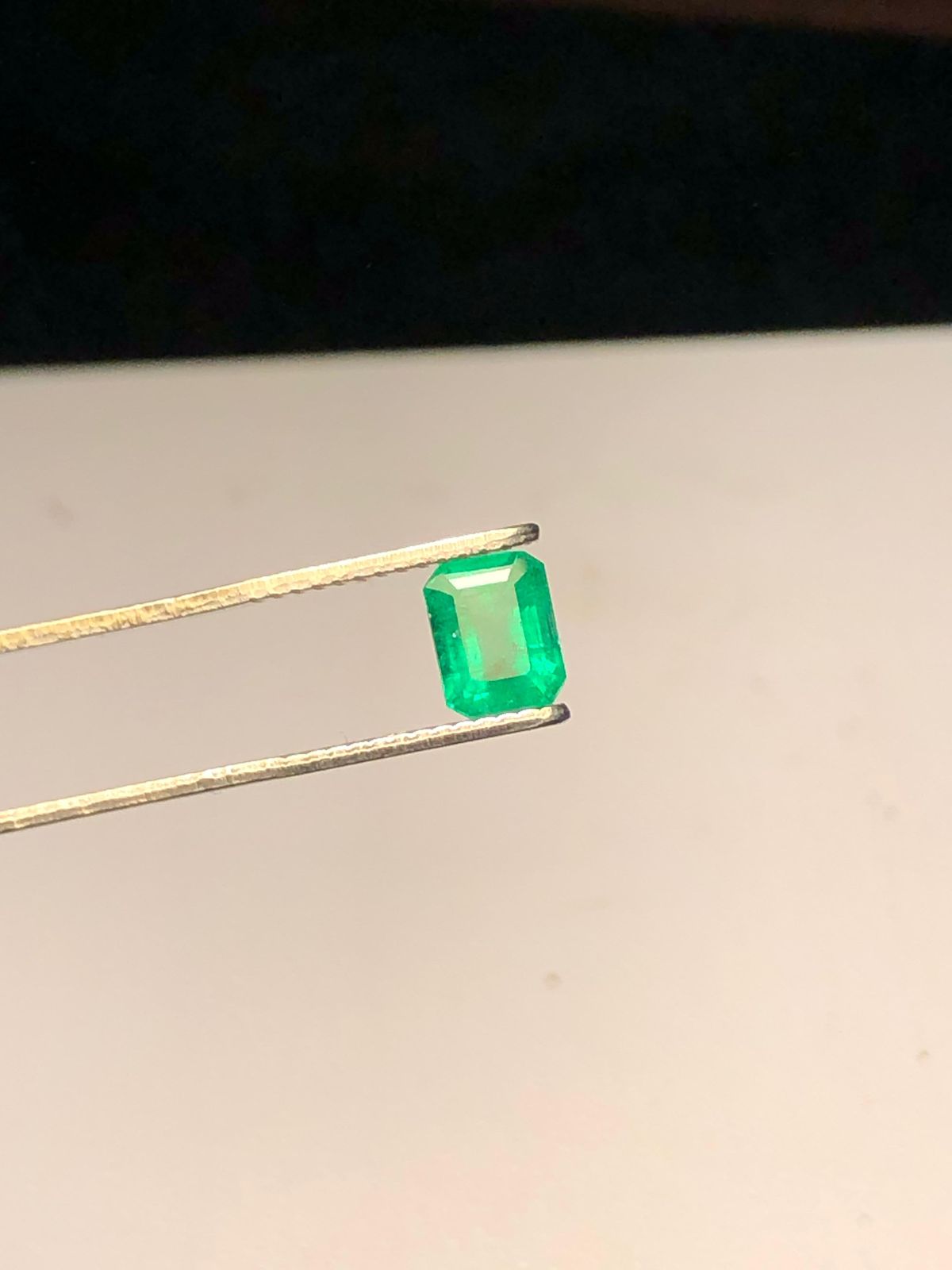
When comparing emerald color variations, consider hue, tone, and saturation together rather than judging a stone by darkness alone.
Color-based resemblance is uncommon if you are looking for distinct gems that may have looked similar in one geography. Their worth is determined after they are extracted out of its main source or origin. Color treated gems are worth more than defective or untouched gems present in mines since their refinement is not done yet. All natural colors are developed in lab backed refinement process that should not be undermined easily. Few of natural colors require color dying that makes them look new if they are spotted in its development stages.
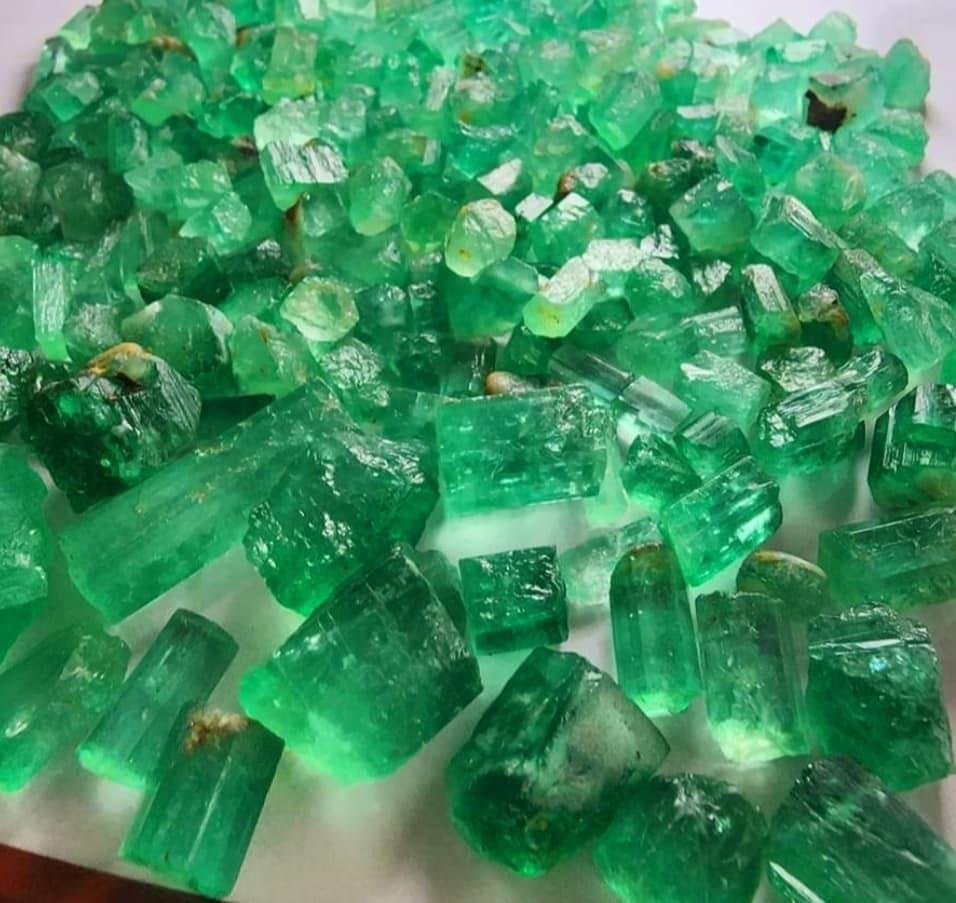
Explore emerald green color

Use the emerald color guide as a companion when thinking about green shades and differences in gemstone appearance.
Transparency
Emerald clarity and inclusions influence how clearly you can see through a stone; internal features can also make individual emeralds look noticeably different.
Highly clear gems are not that high in price even though they are good in appearance like other gems. Their clarity comes from light absorption, the more they absorb light, the more it reflects light back at its viewer. Comparing transparency index is not recommended since design of two gems in appearance is not alike. Their index and design are two confusing factors that should not be mixed up.
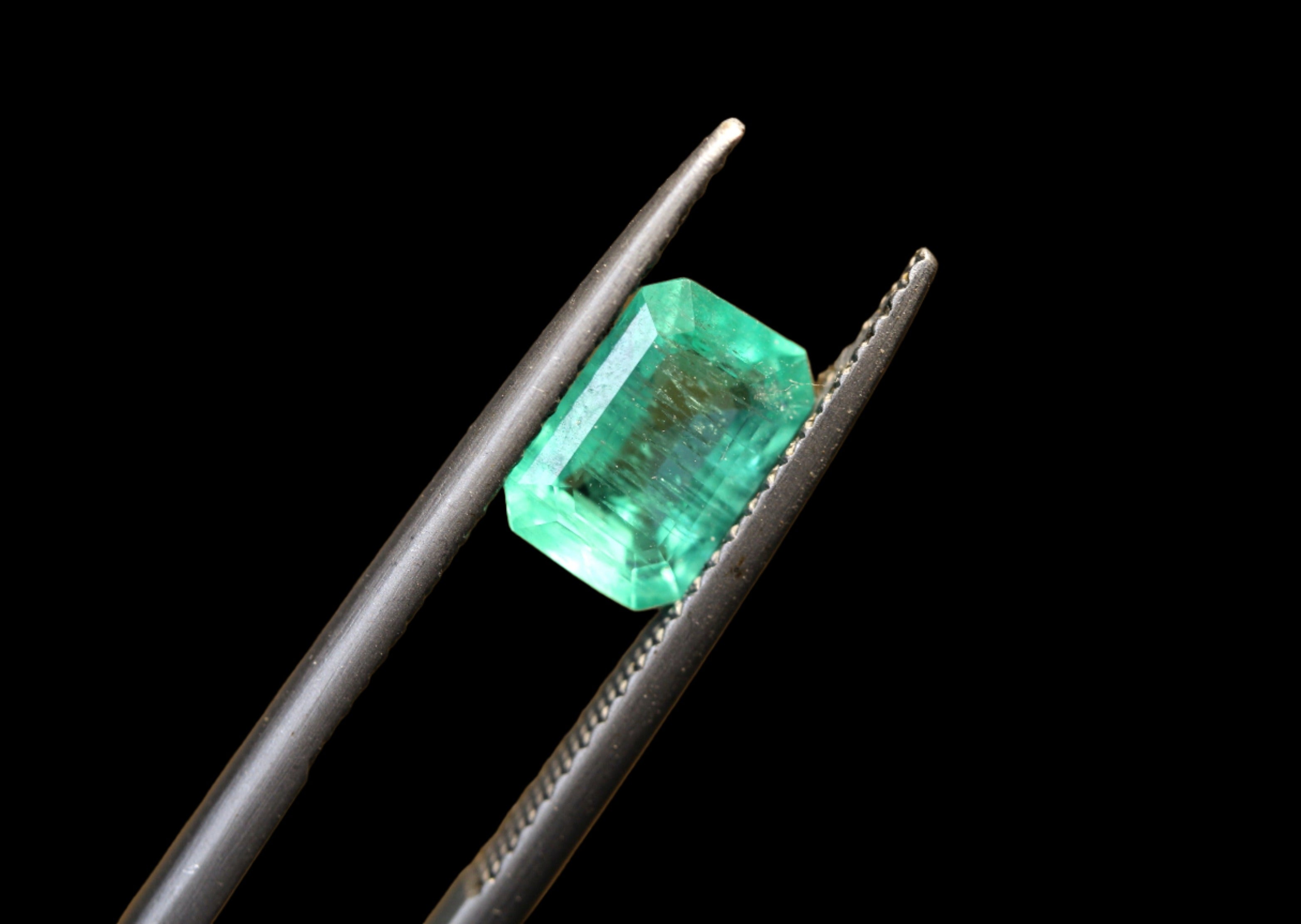
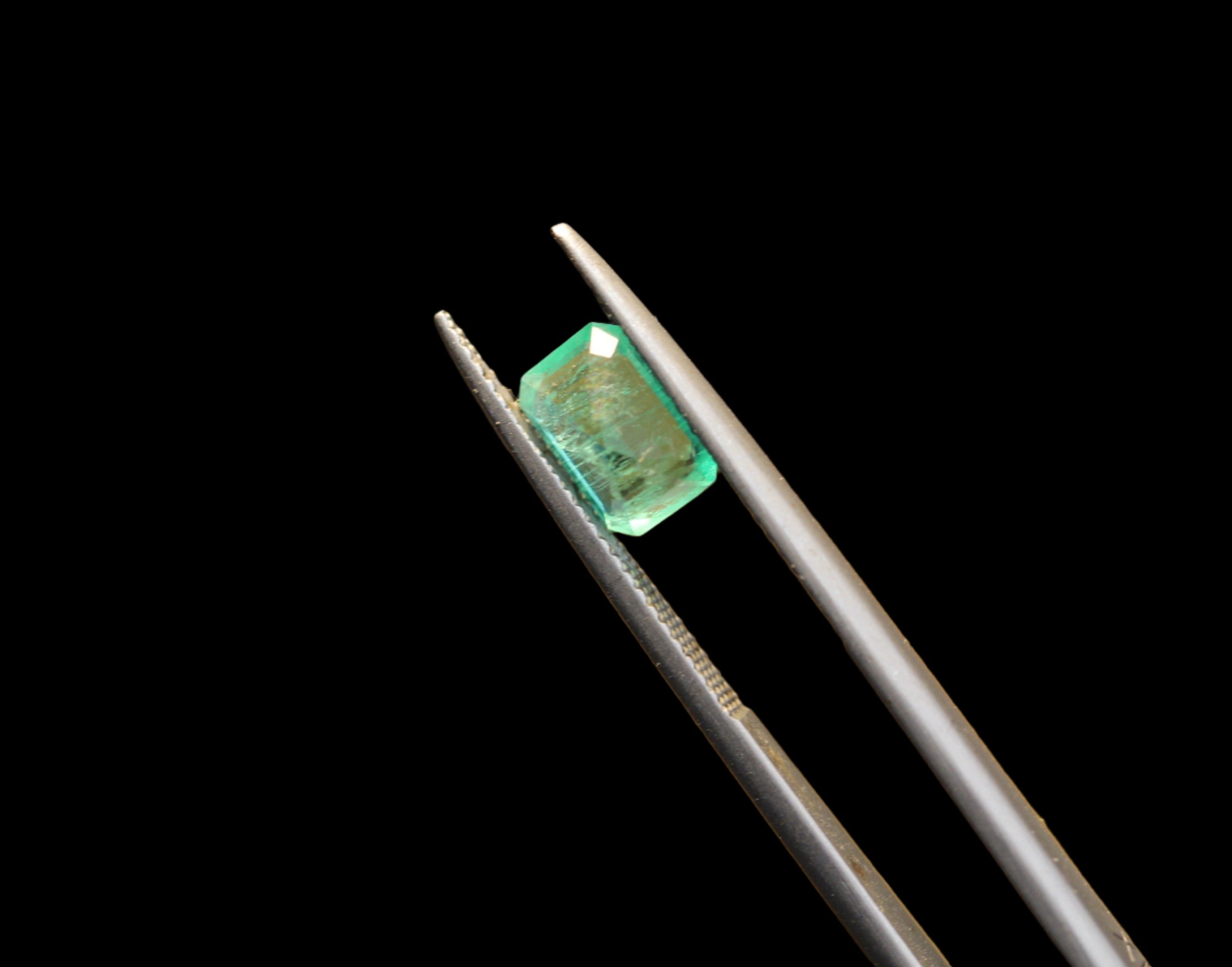
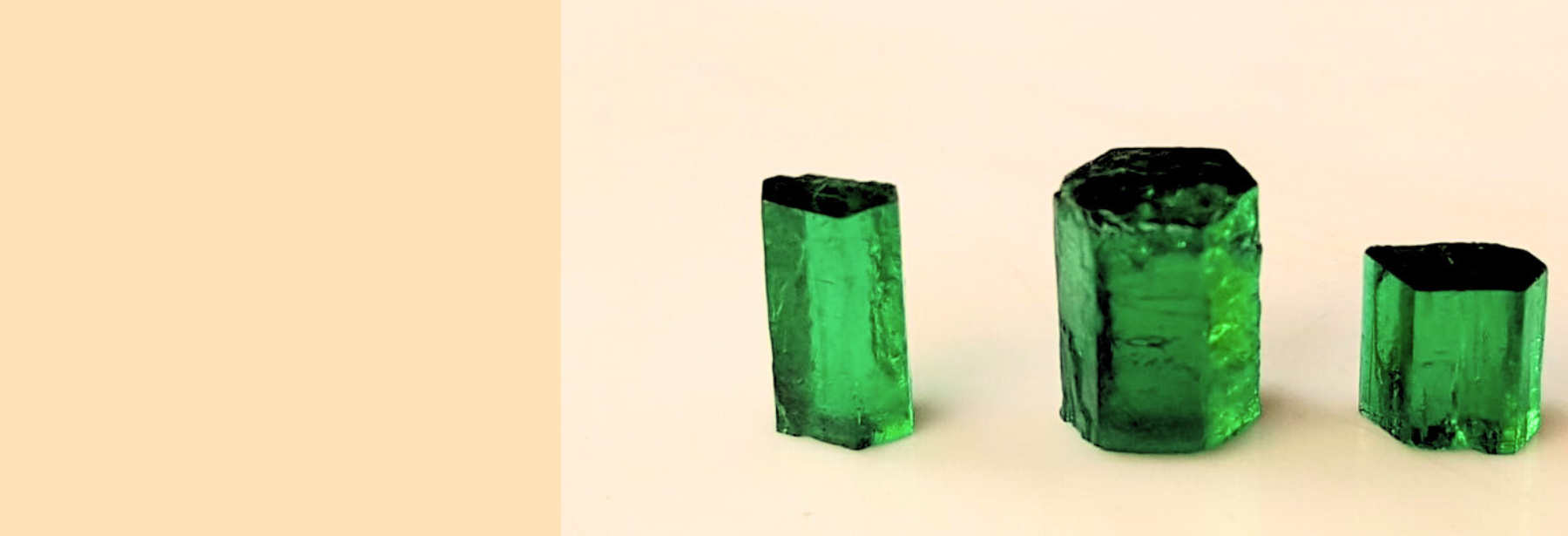
Compare a cut green emerald

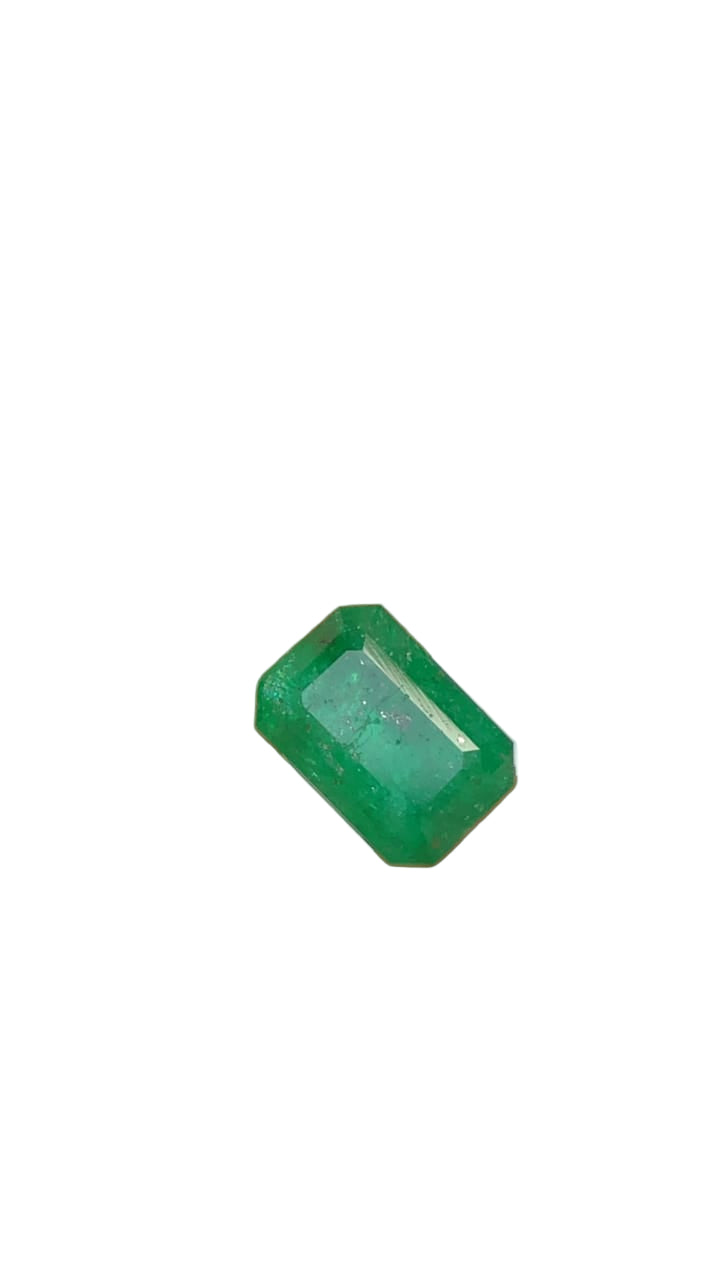
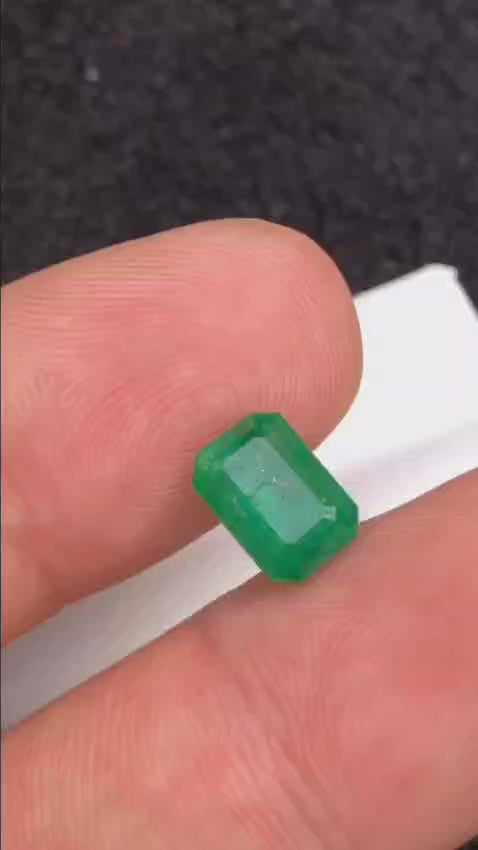
Explore this 2-carat natural Swat emerald listing to consider a cut stone alongside the rough material discussed above.
Design Pattern
Comparing crystal formation and development shows resemblance in color; however, comparing them in other respects is not how your examination should be since few of similar looking gems show difference in crystal form that goes way back to geological changes and development.
Different design pattern makes their individual properties different from each other. Its presence keeps them in distinct category that should not be tempered in presence of closely resembling gemstones.
A lot of gems are color dyed in their development and refinement, their final appearance is unlike untouched gems.Color dyed options and choices provide an alternative to natural colors of gems. Lab backed color design is another option available for buyers and gem owners.
Geology and proper treatment make emerald and other gem look different from each other, their false comparison can prove to be false if they are not separated out in begining or initial stages of development.
External features
Color is one of dominating features that gems have in common, they determine quality of gems in addition to its high appeal and alluring property. At first glance, a lot of gems do not look similar, if we keep observing or examined them under microscope you will be able to notice their color gradient. It provides information on subtle differences between gems and their natural rivals. Proper light and close examination make their difference obvious that you may have missed out previously.
Deep green emerald is not easy to find, its color comes from minerals present in its chemical composition. Their color is replicated in lab grown environment that is a good alternative to orginal emerald. Despite its similarity and difference, original gem remains rare or difficult to find. In other words, its replica or imitation copies are made in lab backed research that makes buyers and gemologist want to buy it. Design pattern of other gems is not shown to buyers since its structural integrity is higher than its color or appearance-based benchmarks.
In simple word, geology of high-grade gems like emerald is high over lab proofed gemstones.
Explore emeralds from Swat
Continue your comparison with the Swat emerald collection, where individual listings help you examine different stones from this source.
Clarification: Natural Emerald Color and Treatments
Natural emeralds develop their green color during geological formation, principally from chromium and/or vanadium, not from a required laboratory refinement process. Oil or resin treatments can reduce the visibility of surface-reaching fractures; dyeing is a different treatment and should not be assumed for every emerald. Treatment does not automatically increase a stone's value relative to an otherwise comparable untreated stone.
Gemstone density does not by itself determine transparency or light absorption. Absorbed light is not simply reflected back to the viewer: color, inclusions, fractures, cut, and lighting interact to affect appearance. Light energy is not a necessary ingredient in the geological formation of emeralds.
In a natural vs lab-grown emerald comparison, remember that laboratory-grown emeralds are emeralds with essentially the same chemical composition and crystal structure as natural emeralds, but a different origin. An imitation merely resembles emerald and is a different material. Appearance alone is not a reliable way to establish origin or treatment.
Frequently Asked Questions About Emerald Appearance
Why do emeralds from the same mine look different?
Local differences in growth conditions, coloring elements, inclusions, and fractures can produce different appearances even within the same deposit. Cutting and any subsequent treatments can add further differences.
What causes emerald color variations?
Differences in coloring elements and their distribution contribute to variations in green hue, tone, and saturation. Lighting and the stone's cut also influence the color a viewer sees.
Are darker emeralds always more valuable?
No. Darkness alone does not establish quality or value. Color balance, clarity, transparency, size, cut, origin, and treatment all need consideration; a very dark stone can appear less lively.
Do emerald inclusions mean a stone is fake?
No. Inclusions are common in natural emeralds, but their presence alone does not prove natural origin. A qualified gemologist can evaluate internal features alongside other tests.
How can you compare emerald clarity and transparency?
Compare stones under consistent lighting, looking at visible inclusions, fractures, and how much light passes through each stone. Ask for treatment disclosure and an independent gemological report when appropriate.
Can you identify a natural emerald by its appearance alone?
Not reliably. Natural, laboratory-grown, treated, and imitation stones can resemble one another. Gemological testing is more dependable than a visual comparison alone.
Conclusion: Compare More Than Emerald Color
Understanding why emeralds look different means considering color, clarity, inclusions, crystal growth, cut, and treatment together. Compare stones in consistent lighting and seek clear information about origin and enhancements. These steps support a more informed natural emerald buying decision than judging by appearance or darkness alone.
Related Reading: Emerald Quality and Buying Guides
Understand emerald grading
Build on your comparison of appearance with an introduction to emerald grading and the qualities worth examining before buying.
Put the four Cs in context
Explore emerald quality through color, clarity, cut, and carat weight rather than relying on a single visual feature.
Look closer at emerald inclusions
Learn about emerald inclusions and jardin to better understand the internal features mentioned throughout this article.
Connect appearance with emerald prices
Explore the factors behind emerald gemstone prices and develop more useful questions when comparing individual stones.
Read a natural emerald lab report
Take the next step beyond appearance with a guide to reading a natural emerald lab report before making a purchase.






0 comments