


Natural Emerald vs Lab-Grown Emerald
When comparing a natural emerald vs lab-grown emerald, the key distinction is origin: one forms in the earth, while the other is grown in a laboratory.
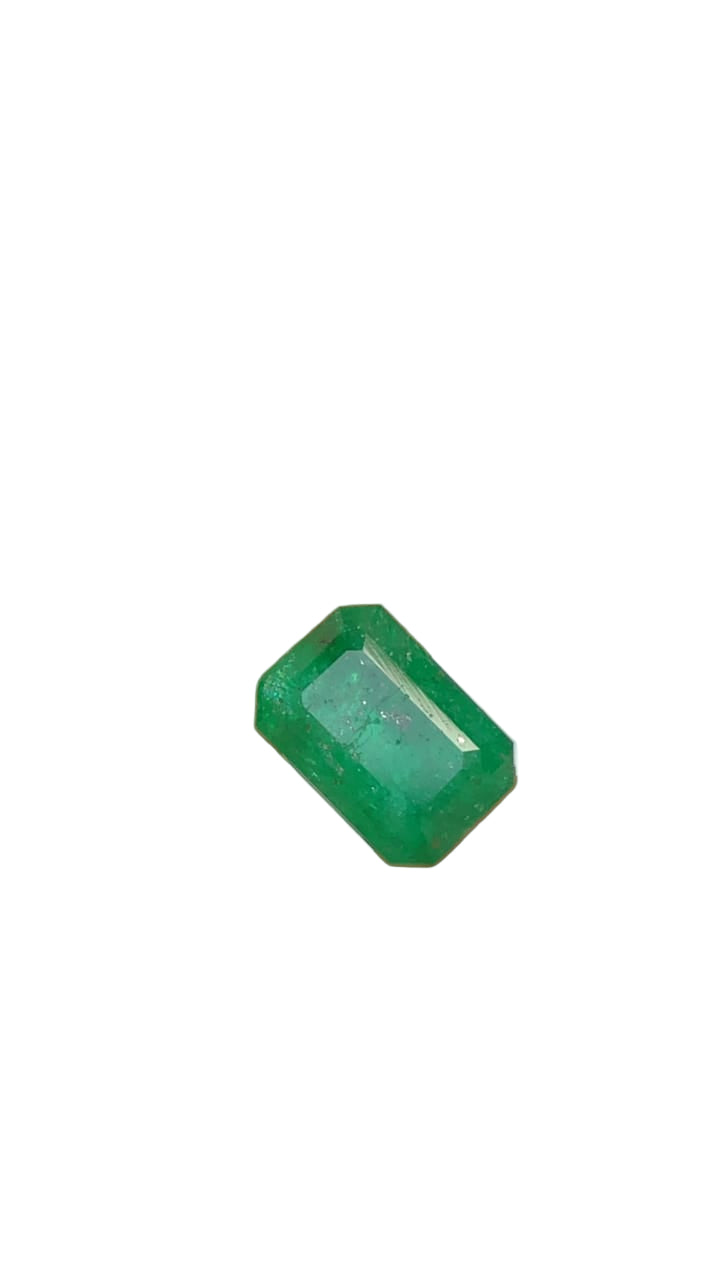
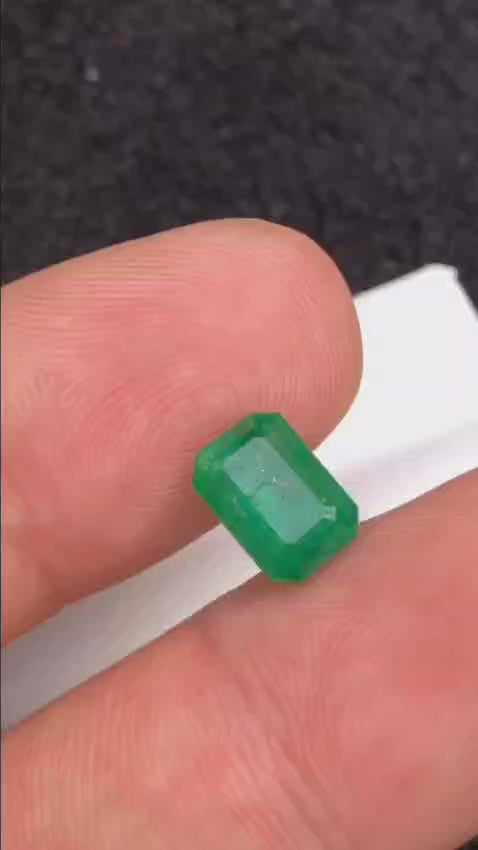
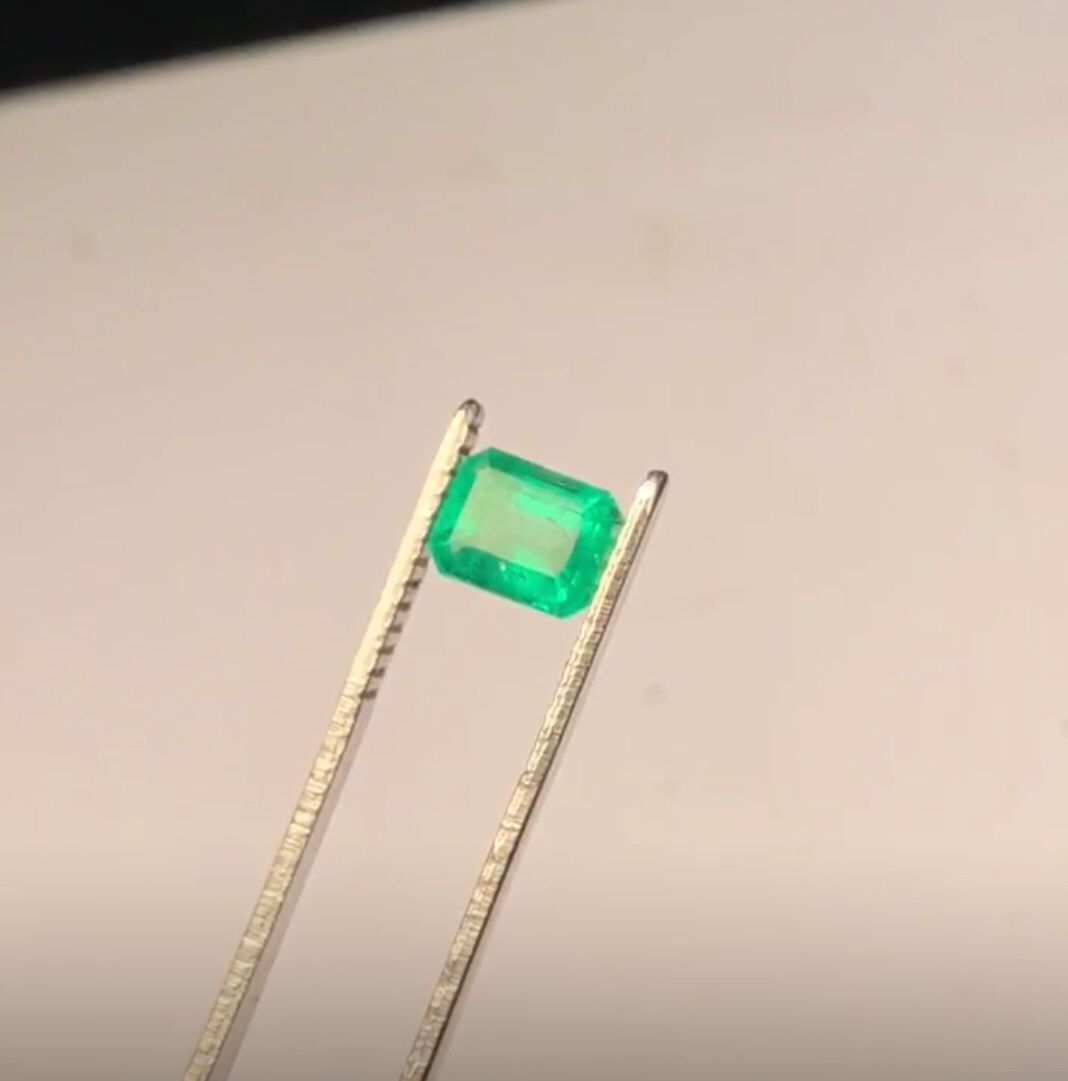
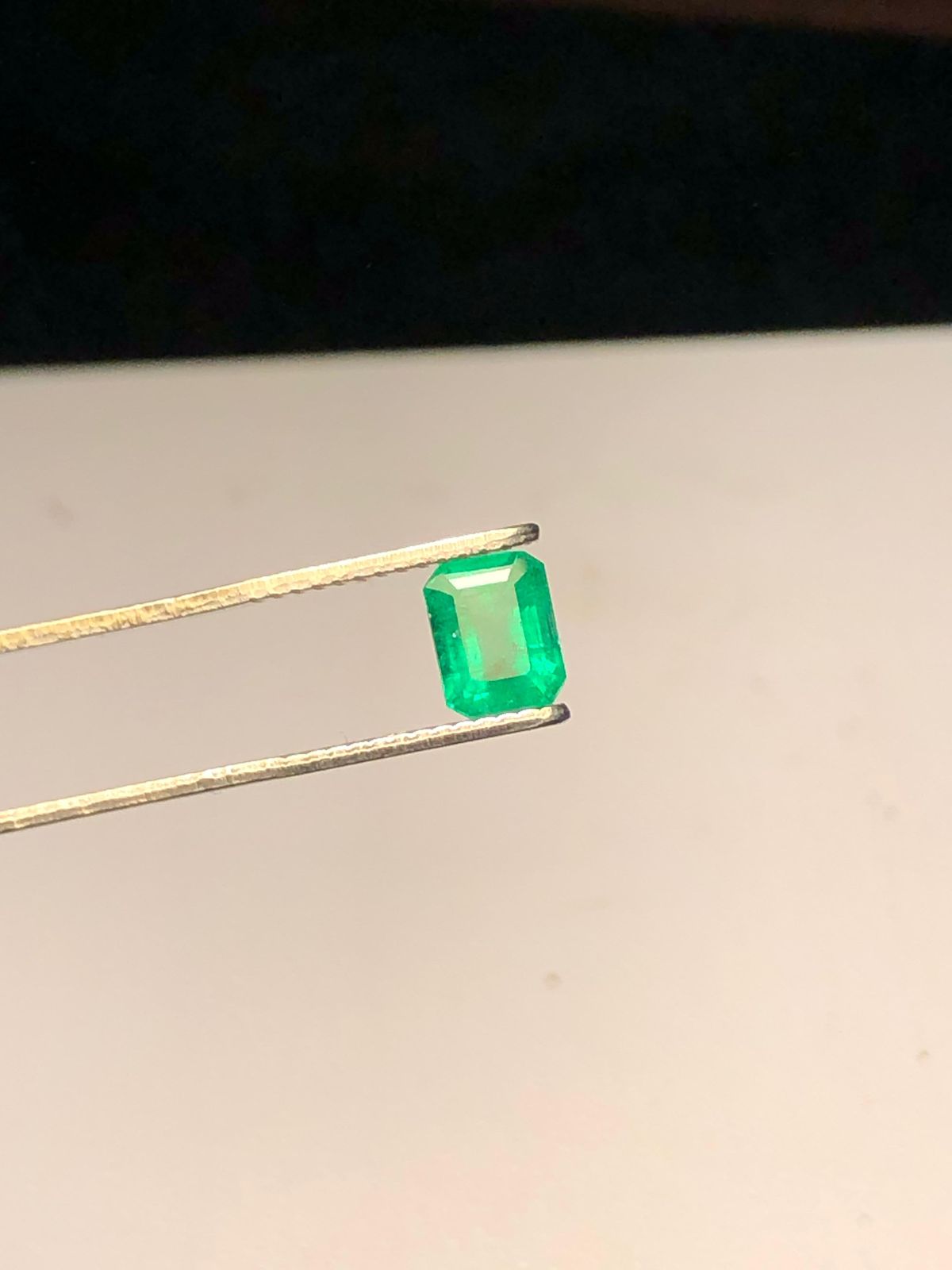
Green colored emerald is attractive in an appearance in addition to internal properties that define its features. However, it does not prove that its gem is mined from earth surface. All of its main attributes are a reminder of its high quality, minus its original source, or place of birth.
Contemporary developments in gemstone market have made manufacturing of gems easy since lab grown gems have similar chemical composition and optical effects that are present in natural gemstones.
Yet time, glass and Quartz can mimic prominent attributes of a natural gem that happens or gets proofed in a lab. Therefore, it is pertinent to learn basic difference between a natural emerald from its copy made or proofed in a lab. It is important to note lab grown imitation or clearly transparent gems are not authentic copies of emerald. A lot of buying guide ignore difference between original and its imitation like clearly polished emerald. A lot of emeralds undergo clarity enhancements procedures for them to be properly proofed that does not mean it is an unauthentic copy of original gem even though development of gems is questioned for the very same reason, since people like knowing major difference between original and its high-grade copies before buying them.
Synthetic Emerald vs Imitation Emerald
For clarity, synthetic emerald vs imitation emerald describes two different categories: synthetic emerald is laboratory-grown emerald, while an imitation is another material that resembles emerald. Transparency alone does not establish origin or authenticity.
Few of gems belong in distinct categories that has nothing to do with original gems and their properties.
Presence of excessive terminology and overemphasis on lab proofed reports can confuse a buyer or mislead them. This guide explains characteristics of natural emerald, their high-grade copies, and finally few points on procedures and methods used for determining worth and value of gems in general.

Good Quality Emerald
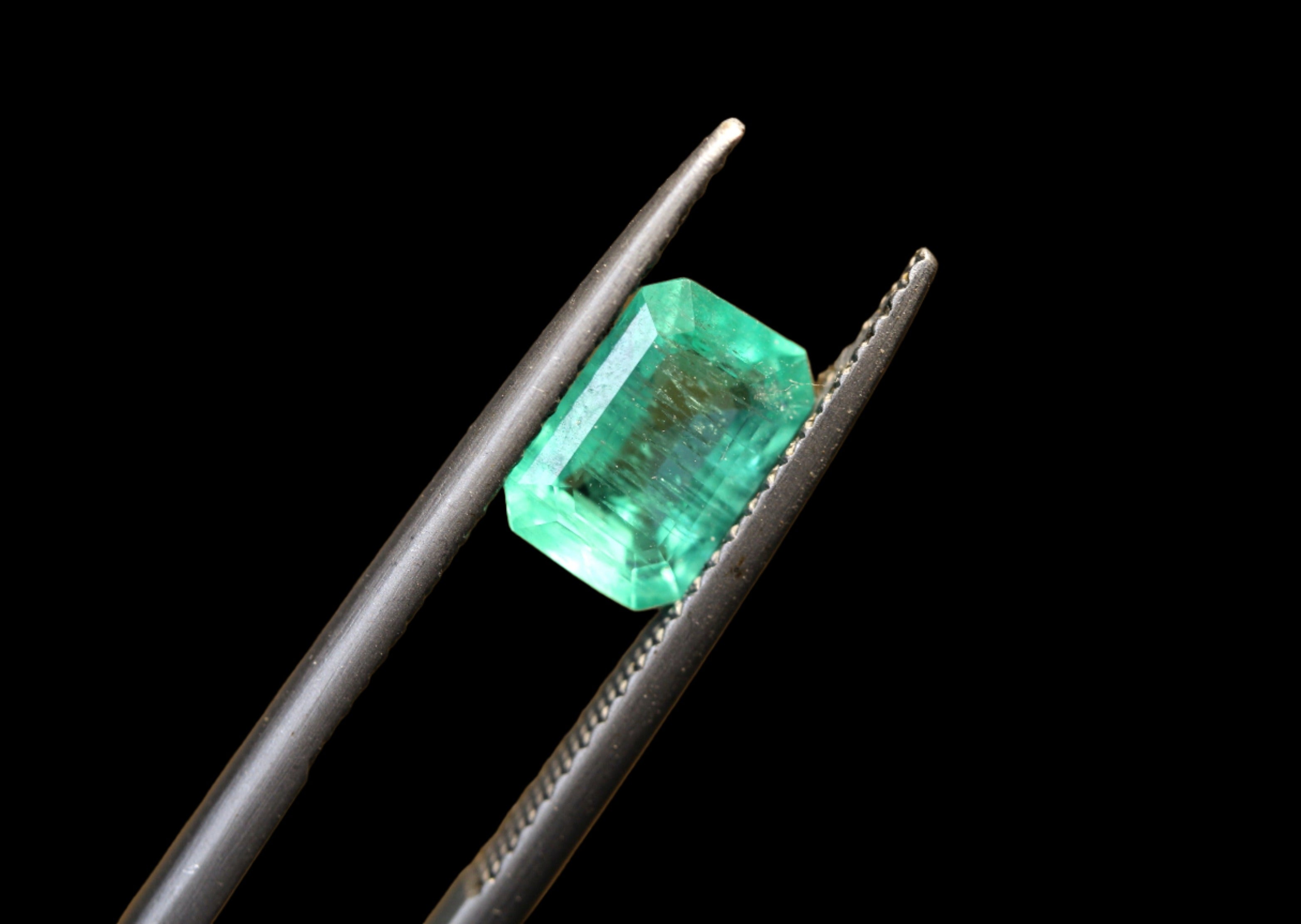
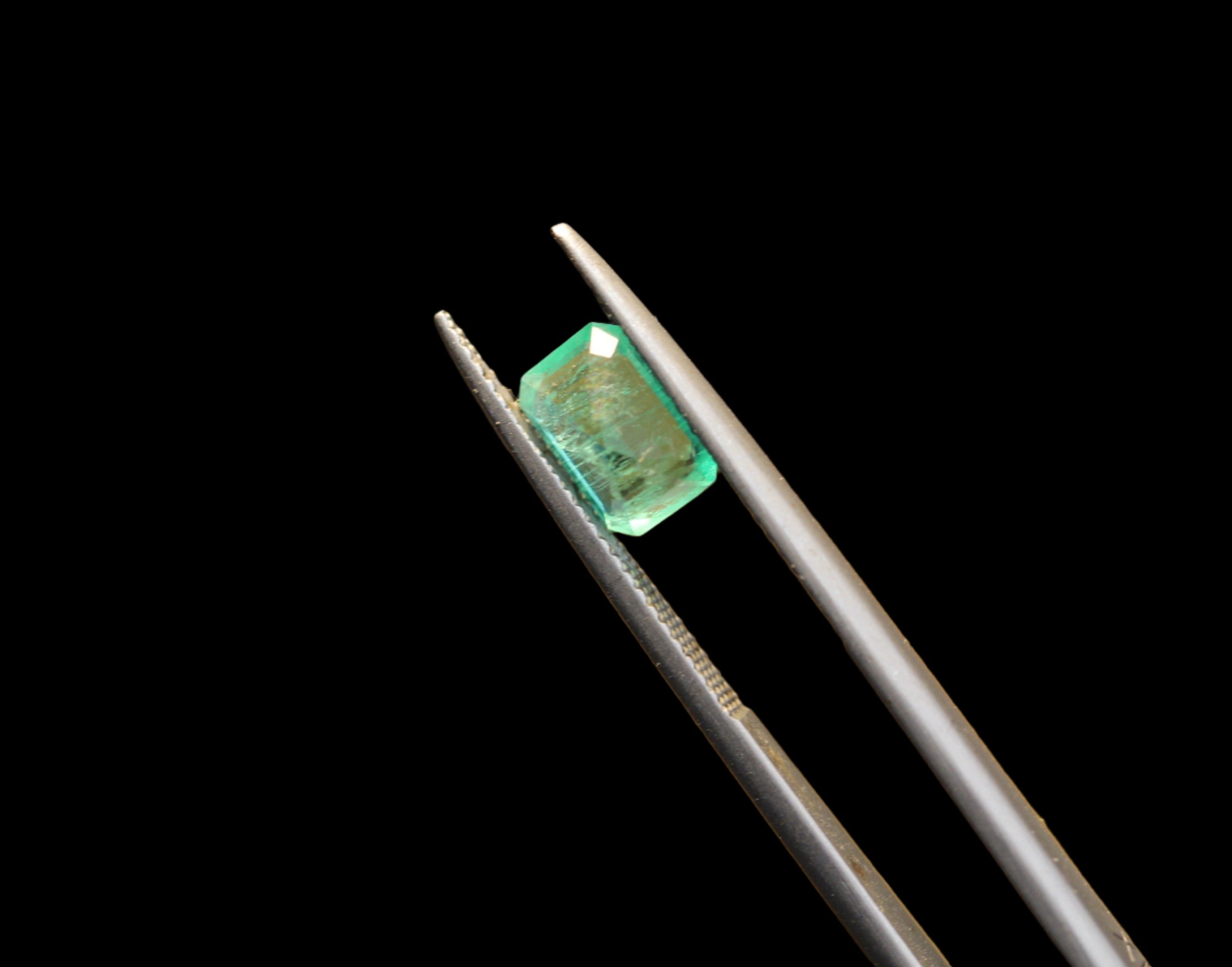
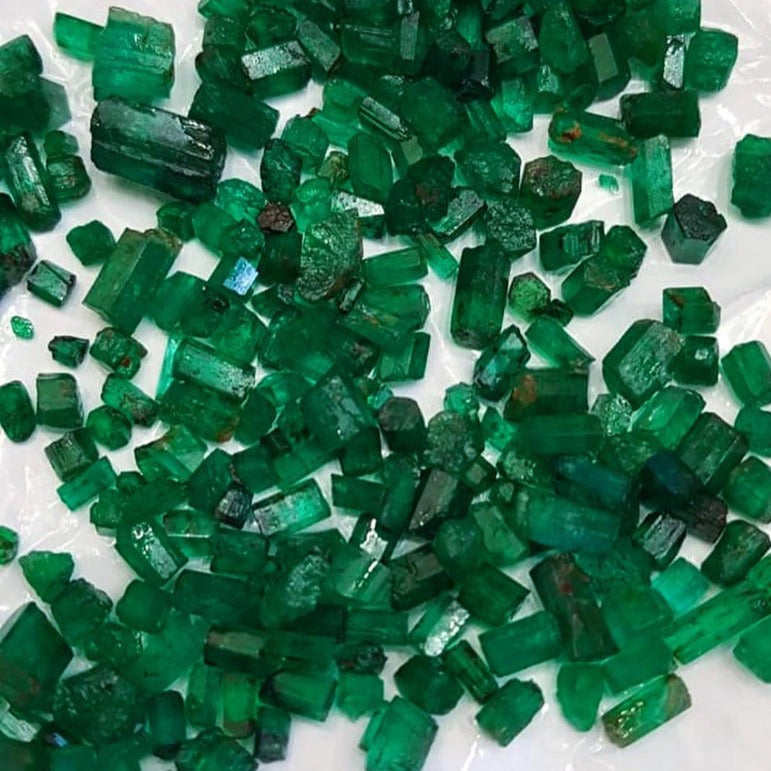
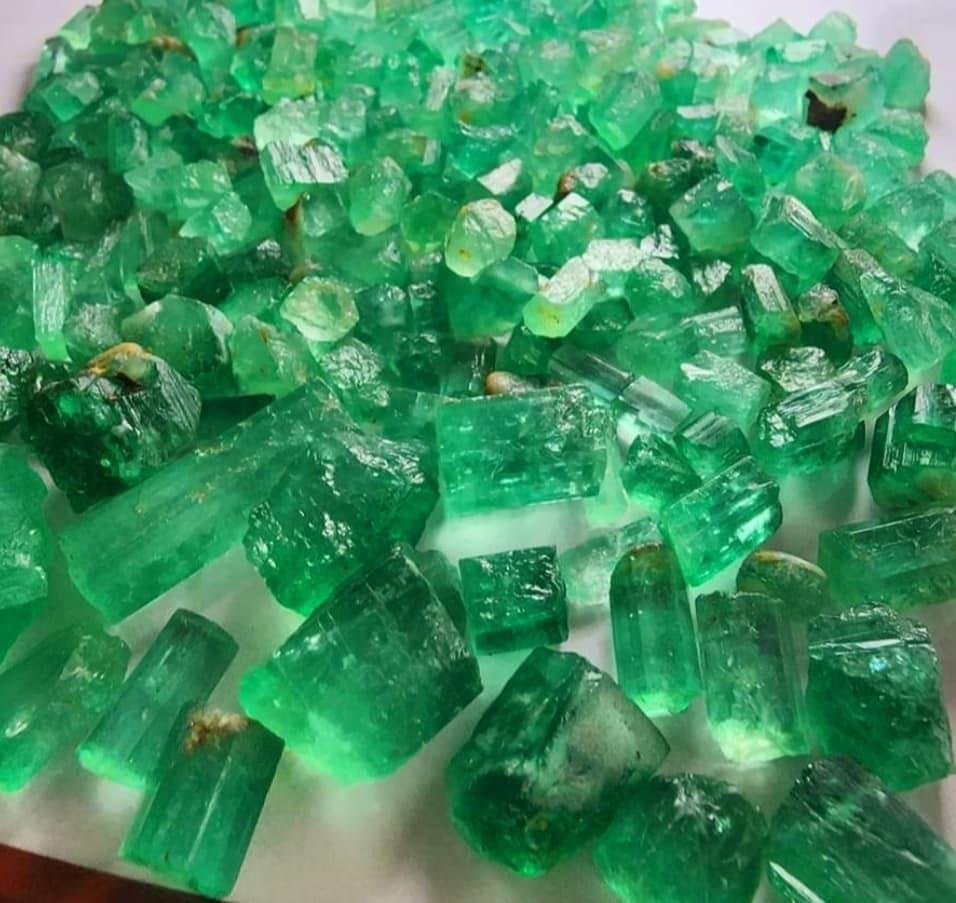
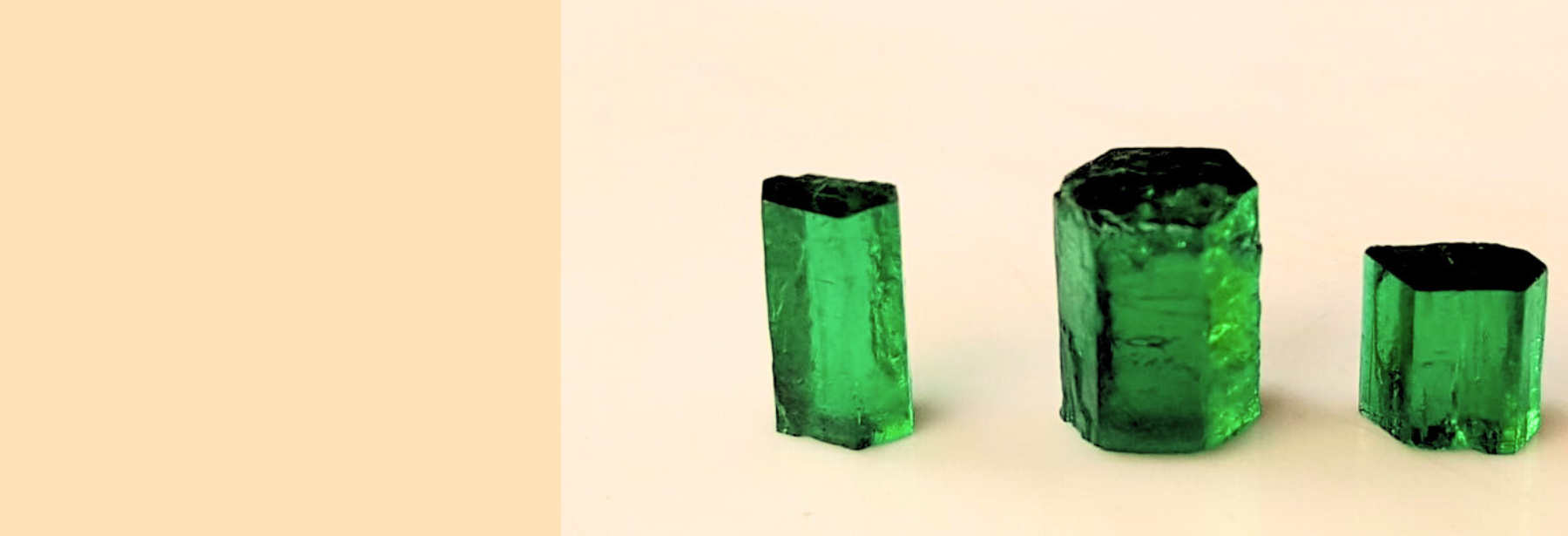
Its green to bluish color comes from beryl, that is a mineral from hexagonal crystal system. Presence of chromium and vanadium makes its chemical composition reliable than other forms of emerald.

High grade copies of emerald are high in transparency, their glass like appearance costs people a fortune.
Emerald Clarity Enhancement and Gemstone Treatments
Clarity enhancement procedures are employed to make emerald look polished and proper. Their chemical properties remain the same despite their superficial differences that you have seen somewhere while your gem undergoes a proper procedure for dominating other gems. Some of them are market proofed that makes them high in price and in appearance that should not be undermined. Their false copies are easy to tell apart, since their appearance is unlike polished gems found in lab grown gems.
How to Identify a Natural Emerald
Learning how to identify a natural emerald requires more than judging its appearance; a qualified gemological laboratory can assess natural or synthetic origin and evidence of treatments.

Gemstone treatment involves quality enhancement procedures done for changing appearance of gems. If you are good at observing you may notice some difference in color or other features. Being able to notice small difference between first copy and its alternatives does not make you a professional, nor does it mean that your lab proofed gem is less in quality, since a lot of them are developed in lab that follows a proper protocol for making them look presentable or that is inspired from original gems present in lab for introspection. You will need to clear basic level of enquirey and introspective skills for becoming a reliable gem expert.
Fracture Filling and Treatment Effects
High end treatment helps to clear or fill out fracture lines present on gemstone surface, and improvements in its color, these procedures that are not applied to all high-grade copies since few of them are good enough. Heat treatment weakens some of gems if its internal structure is not properly proofed. In other words, a lot of gems are proofed for the very same reason. Few of them are supposed to be weak or low-grade because their purpose is less than main, or they are proofed after main refinement.
Some materials and procedures are not applied to gems because they reduce its color
visibility and tempers with its internal structure.
Color treatment of gems in good quality makes them commercially viable once their refinement is done, they are selected for their appearance and internal features that is not shown to public, if you gain approval for judging its development process, you are properly an expert. They show people what are those main differences that a natural gem does not show to people, their job is to distinguish between a professional and an owner of imitation copies.
Heat Treatment and Radiation
Heat treatment is applied and accepted for Sapphire and Ruby. However, if this very treatment is applied to Emerald, it does not change its chemical composition, or internal structure.
Exposure to radiation can disturb electrons present in internal structure of your gem, that is obviously harmful for gem, that in turn changes spectrum of light absorbed by surface area of your gem. In other words, it is not only its internal structure, it is optical effect alters like its color absorption property. Treating emerald is good if its colored copies keep good quality and if they are refined in a proper way. However, some experts doubt a lot of them for separating out false or fake copies from authentic one.
Frequently Asked Questions
What is the difference between a natural emerald and a synthetic emerald?
A natural emerald forms in the earth, while a synthetic emerald is grown in a laboratory. Synthetic emerald has essentially the same chemical composition and crystal structure as natural emerald, but its laboratory origin must be distinguished from natural formation.
Is a lab-grown emerald the same as an imitation emerald?
No. A lab-grown emerald is synthetic emerald, whereas an imitation is a different material, such as glass, used to resemble emerald. The terms describe different materials and should not be used interchangeably.
Can you identify a natural emerald by its color or clarity alone?
No. Natural, synthetic and imitation stones can look similar, and transparency alone does not prove authenticity. A qualified gemological laboratory can examine internal features and use testing to determine whether a stone is natural emerald, synthetic emerald or an imitation.
Does clarity enhancement make a natural emerald synthetic?
No. Clarity enhancement, such as filling surface-reaching fractures with oil or resin, does not change a natural emerald’s geological origin. Treatment and origin are separate considerations, so ask for treatment disclosure and review an appropriate gemological report before buying.
Conclusion
Understanding natural emerald vs synthetic emerald begins with separating origin, identity and treatment. A laboratory-grown emerald is not the same as a glass imitation, and a treated natural emerald is not automatically synthetic. Color, transparency and a polished appearance cannot establish these distinctions on their own. Before choosing an emerald, review the seller’s description, ask about treatments and use an independent gemological report when you need confirmation of the stone’s identity and origin.




0 comments