

Emeralds are instant attention getters, but if you really want to make a statement, having a good, updated lab report is just as important.
Most guides will go over the five Cs, and also want you to get a report from the geological society. But many people don't know the intricate details of the lab report, and those factors that can affect how rare a stone is and resale potential.
Lab reports offer a record of the stone at the current state. Knowing this will help you understand the true value of your precious stone. Whether you're shopping our loose emerald stones or browsing all natural emeralds, understanding the lab report is essential before you buy.

A Gemological Report is Not a Quality Certificate
"Certificate" is a common term used in the gemstone industry, but many industry experts prefer the term lab report or professional opinion. These reports talk about the findings of the stone, and don't always factor into the investment potential, market value, or how pretty a stone is.
GIA evaluates emeralds, but doesn't give them an exact grade of quality. Many of these stone reports will tell you about how much it weighs, any measurements, the type of cut, its color, and any treatments. Some may also tell you the place of origin.
A "Natural" emerald report is not an official lab declaration of a well-cut, pretty, or adequately priced stone — it just means it's a natural emerald based on identification.
Begin with Identity, Not the Origin
The result of identification is the most important part. Usually, it's done in the following manner:
- Species: Natural beryl
- Variety: Emerald
Beryl is the mineral species, and emerald is a variety of this, being bluish green. "Natural" means found through mining rather than lab grown.
Lab-grown or synthetic emeralds usually have far fewer imperfections as their crystal structure is controlled by humans. Synthetic and lab-grown emeralds must be identified as artificial, while natural emeralds carry the gemstone name.
What this means is: if you get a report that says a green stone is "beryl," it doesn't automatically mean it's an emerald. Many "green" stones might be from labs and made an emerald color but are not technically beryl. So if you want a legitimate emerald, make sure your gem report clearly says "beryl."
Geographic Origin is an Expert Opinion, Not a Travel Record
Most emeralds come from Colombia, Zambia, Pakistan, Afghanistan, Ethiopia, or Brazil. Many buyers don't realize, however, that when a report states a country of origin, it's based on analysis and the expert's opinion — not a 100% confirmed record.
Labs look at inclusions, trace elements, absorption spectra, and then compare them to known deposits from those areas. GIA notes that sometimes results overlap — some Colombian emeralds may share characteristics with Panjshir emeralds from Afghanistan. Stones from Zambia, Russia, Ethiopia, and Brazil can have such similar compositions that it's hard to distinguish them under the microscope alone.
Some lab reports may also say the findings are "inconclusive." This doesn't mean a low-quality stone — it simply means the lab can't confidently identify the place of origin.
Origin also doesn't mean mine-to-market traceability. A lab might note a stone has similar traits to those from Afghanistan, but won't be able to tell you the mine, who traded and cut it, extraction details, or any social conditions at the time of acquisition. That type of history far exceeds what a normal lab report covers.
Treatment Wording Requires Close Attention
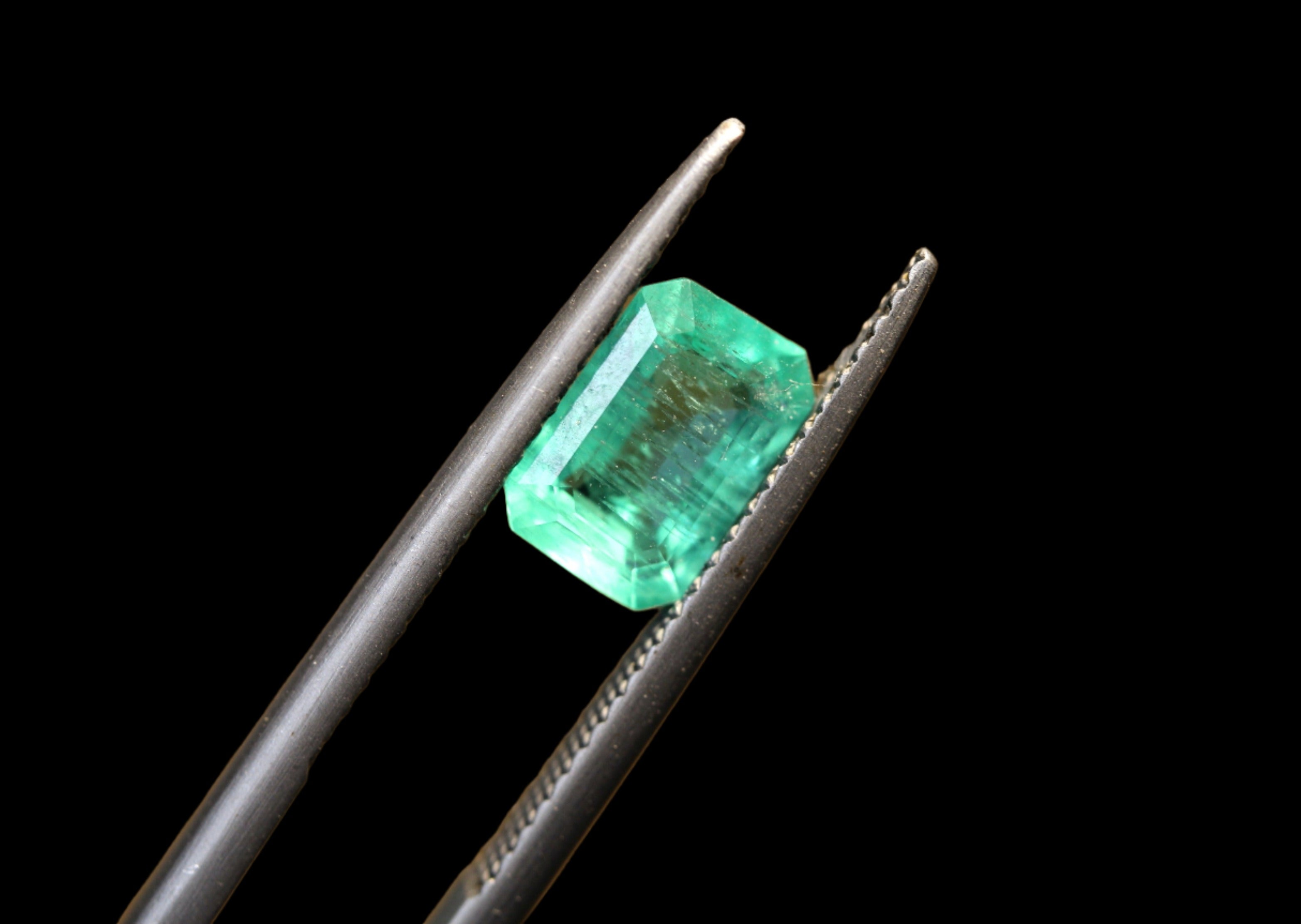
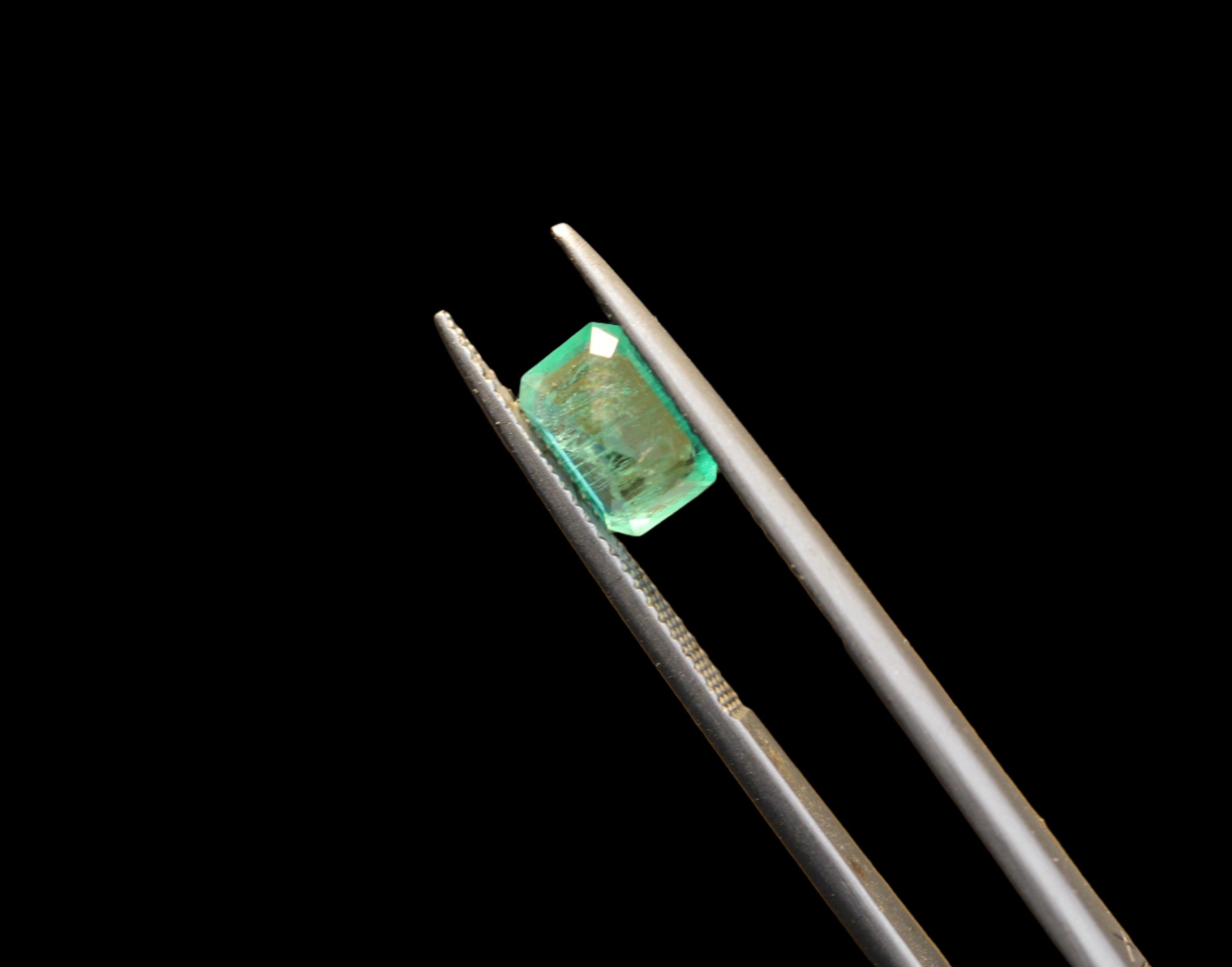
Many natural emeralds have fissures on their surfaces. Resins and oils are often used to fill these fissures and make the stone appear clearer. Lab reports identify this using the following language:
- No indication of clarity enhancement
- Negligible clarity enhancement
- Minor clarity enhancement
- Moderate clarity enhancement
- Significant clarity enhancement
This highlights how much filling material was used on the fissures, but does not determine the overall clarity of the emerald — only the degree of enhancement applied.
So if you have two emeralds both rated "minor" clarity enhancement, they may still look very different — it simply means there was some slight treatment. Some may even have inclusions left in place, while others may not. "Significant" clarity enhancement doesn't make a stone artificial; it just means enough treatment was applied to visibly modify the clarity.
The more important question is whether the treatment affects the emerald's appearance in a meaningful way. If it plays a major part in how it looks, you'll want to weigh that carefully.
Filler Type and Treatment Are Different Findings
Some reports may mention the enhancement without specifying whether wax, oil, or resin was used to fill the inclusions.
SSEF requires reports to disclose the filler material and the amount during the examination period. GIA normally emphasizes the amount of filling, but has also added a category for the type of filler when used on loose emeralds. Not every lab will have the same depth of information regarding treatment, so keep that in mind.
Make sure, prior to purchase, the following are present in the report:
- Whether there is any enhancement
- To what extent enhancement is used
- Type of filler (oil, resin, or wax)
- Whether cavity filling and other treatments are used alongside fissure filling
Oil and resin are two different things, so make sure that if your gem has this treatment, it's fully disclosed — collectors pay close attention to this.

Not Every Document from the Same Laboratory Provides the Same Service
The document offered is just as important as the lab name. Gübelin's Gem Passport, for instance, gives a simplified disclosure for emeralds — whether it has clarity enhancement or not — rather than the degree or type of enhancement. Most full gemological reports are more detailed when it comes to treatment assessment.
Instead of asking whether a gem report is from Gübelin, GIA, or SSEF, it's better to ask which lab service was performed and what was tested. Try to get gem reports that are detailed rather than brief.
Remember: "No Indications" Describes the Stone at the Time of Testing
Emerald reports are limited by date. Fissure filling can be repeated and revised — especially if the stone is cleaned, filler is removed, or new filling is added. If you plan to sell a stone, make sure to get a new verification or reexamination report first.
Old reports of "no indications" of clarity enhancement will not protect buyers if the stone receives treatment after the report was issued. It also applies to emeralds that were filled in the past but later cleaned. New reports may reflect a different treatment status.
Reports are especially important for commercial purposes when:
- The emerald is high in value
- The report is a few years old
- The stone has had multiple owners
- It has been recut, repaired, or removed from its setting
- The appearance now differs from photographs
- The seller doesn't know the treatment history
Ensure the Report Belongs to the Emerald
Some reports may belong to incorrect stones, even if genuine. Always double-check the shape, cut style, dimensions, weight, and photos. GIA offers online report verification, and you can compare archived information against current documents.
Some measurement differences may be negligible, but sudden changes in weight, size, shape, or features may indicate the report is mismatched. Expensive emeralds should have a full physical examination rather than relying on online reports alone.
What Emerald Reports Don't Tell You
Emerald reports won't tell you:
- Whether the emerald has an attractive cut
- Whether it looks bright under lighting
- Whether fissures are in vulnerable locations
- Whether the price is reasonable
- Whether it was ethically sourced
- Whether you can trace the ownership chain
- Whether other buyers would value the stone similarly
- Whether the emerald has damage
- Whether it's suitable for everyday wear or display only
These questions go beyond the lab report, but they can help buyers as they examine the stone, understand treatments, assess seller reputation, and determine the ideal jewelry design. Browse our emerald jewelry collection to see how our stones are set and presented.
A Practical Pre-Purchase Checklist
Here's what you should do before buying an emerald, using a lab report:
- Ensure the report says "natural beryl" along with "emerald"
- Verify the report number against the lab's online database
- Cross-check the dimensions, weight, shape, cut style, and photograph
- Determine the treatment and filler type used
- Review the expert opinion on geographic origin
- Check the report date to ensure no significant changes have occurred since testing
- Have the invoice reflect the material identity, origin claim, and treatment disclosure
- Get a fresh report or recheck before buying if it's a high-value stone
If you're looking for stones that come with full documentation, explore our Colombian emeralds, Zambian emeralds, and Swat Valley emeralds — all sourced with transparency in mind.
Frequently Asked Questions
Does the GIA report grade the overall quality of an emerald?
No, it only identifies the emerald — it does not assign a grade or quality score.
Do minor clarity enhancements mean there are minor inclusions?
No. The rating refers to the degree of clarity enhancement detected, not the number or severity of inclusions.
Do "no indications of clarity enhancement" guarantee the emerald had no treatment?
At the time of examination, yes. But since fissures and fillings can be redone or removed, that condition may change later on.
Does "Colombian origin" mean it came from a particular Colombian mine?
It indicates a geographic region based on analysis, not the exact mine or ownership history.
Can lab-grown emeralds contain oils and resin?
Some can have filler types applied, but that may be a separate service. Always check the specific document rather than just the lab name.
The Most Valuable Line Buyers Ignore
Emeralds are beautiful, but their history is far from simple.
Most lab reports cover treatment, identity, and geographic origin. They do not replace a seller's judgment or disclosure about the stone. Make sure to ask what was tested, and whether the report confirms what's known — and what remains unknown.
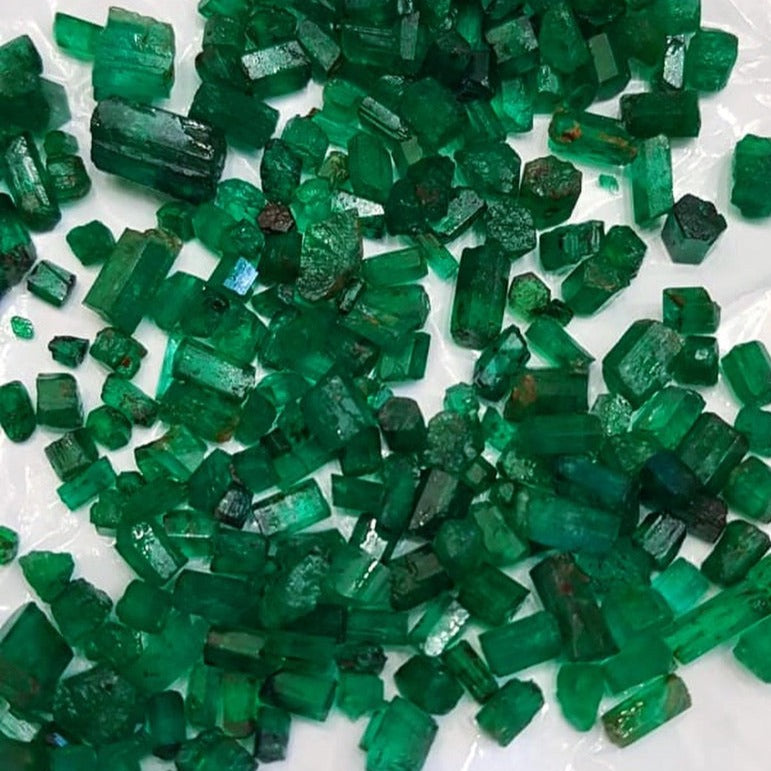
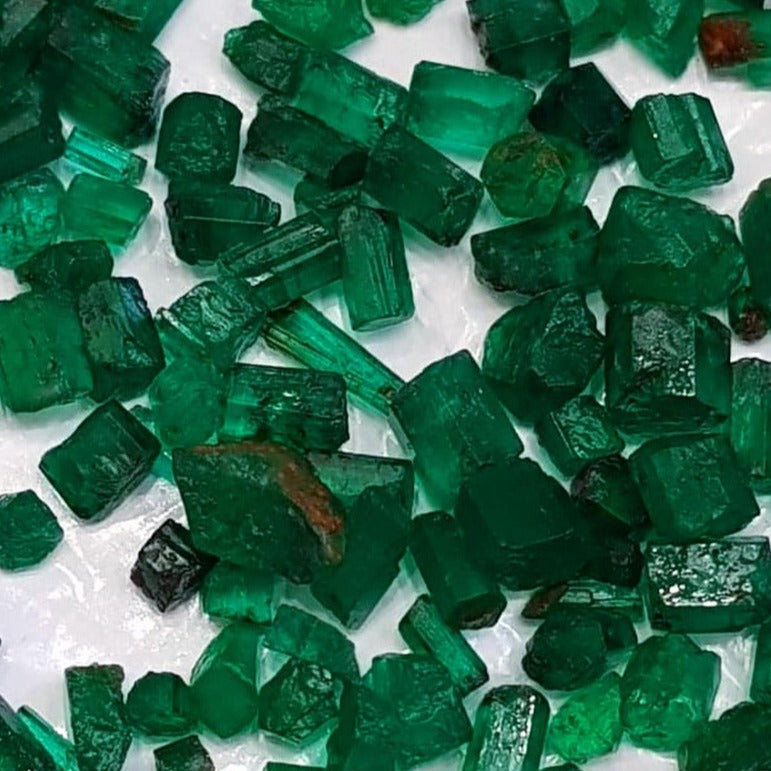
Gem reports are tools for protection, not just decorative paperwork. Keep that in mind as you shop. Ready to find your stone? Start with our full natural emerald collection or explore rough emerald gemstones for something truly unique.





0 comments