

Emerald Value, Carat Weight, and Refinement
Carat weight of an emerald should not be the only factor describing or contributing to its worth. Naturally fine gem is filled with unwanted material that a cutter or an expert may eliminate for it to become polished. Remember that a fracture is what a pro is looking for instead of unwanted or false material inside it. Similarly, false deposit of color s treated. Refining small defects like damaged surface makes emerald crystals durable and fine. For a broader view of pricing, compare these factors with how emerald worth and market price are assessed.
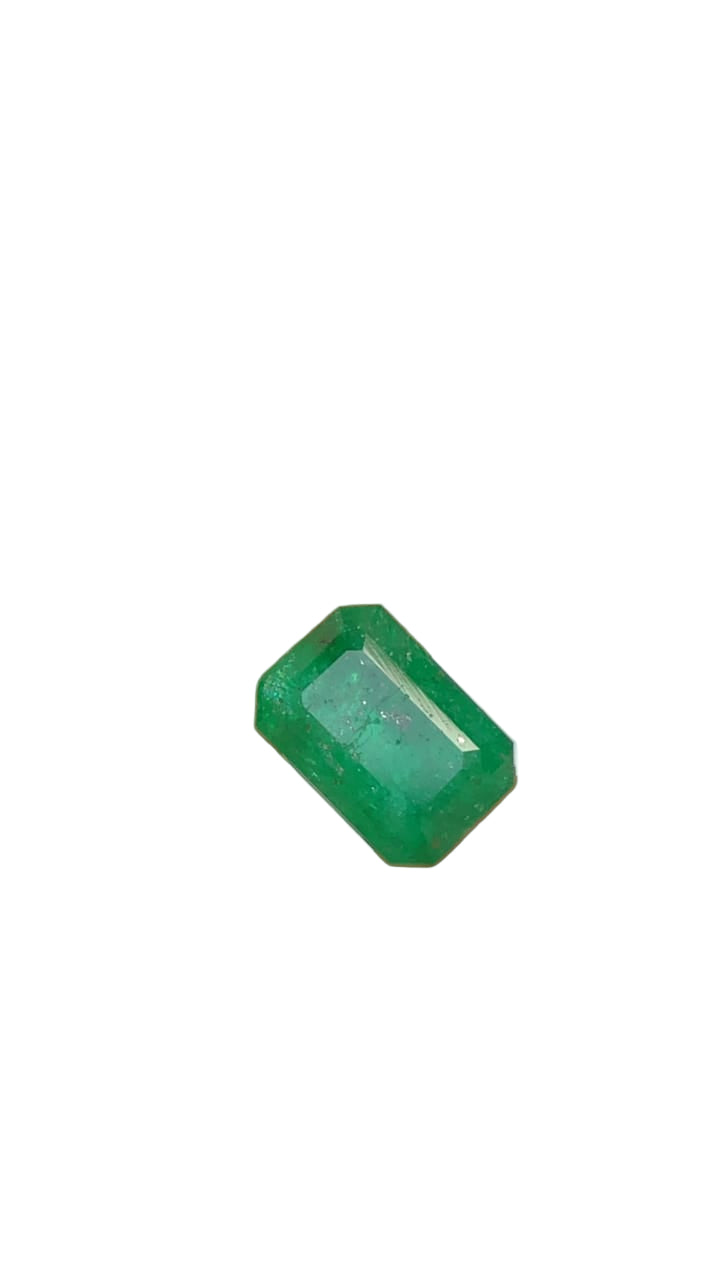
Proper cutter relies on beauty or finds it, like its durability and weight retention potential is valuable or its main concern. Carat weight does matter in its refinement and polishing like it is mentioned previously, however if it’s over emphasized or underlined more than its value, it does look a defect of it making its worth go up, In other words, over reliance on carat weight devalues a fine one, if it looks dark, or if its fracturing is heavy than its normal weight. In addition to few other defects accentuating its appearance, a small difference in its carat weight does affect its beauty negatively or in long run. A practical comparison is this 1.70-carat natural emerald, where color and cut are considered alongside weight.

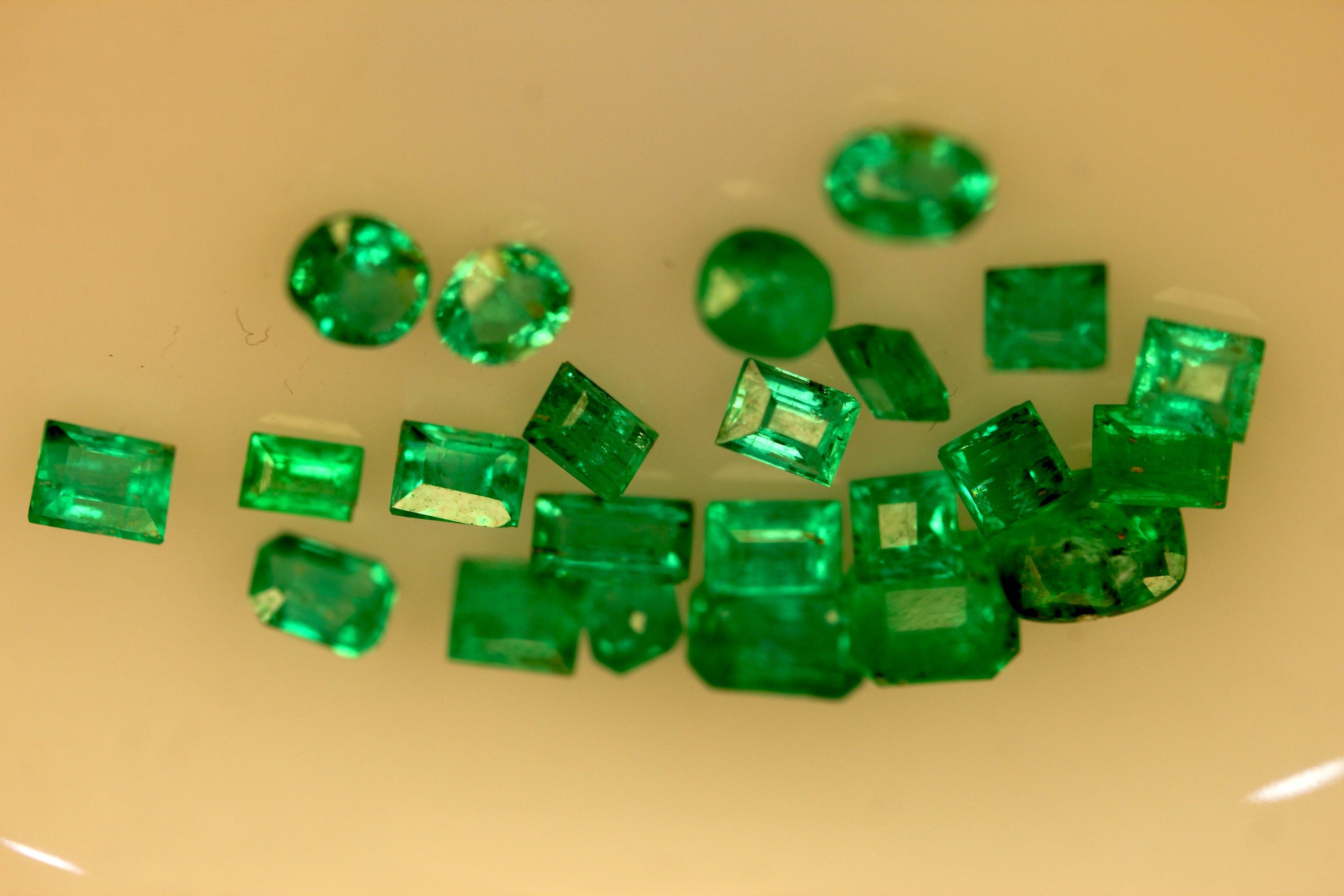
Compare Loose Emerald Stones
Carat weight tells only part of an emerald’s story. Compare cut stones by color, clarity, shape, and natural character.
Natural Emerald Inclusions and Internal Structure
Close observation of a natural emerald does show small defects that add to its appearance and beauty. Its small size, fracturing in appropriate place, unwanted fluid, and unclear area makes it look blurry and tidy, Generally speaking, inclusions are like its feature defining worth or shaping in it on clearance. Informed buyers would not go beyond clarity because it is worth is higher than other factors refining it and while polishing a natural emerald in a logical order.
Even though emeralds resemble each other, it does not mean they don’t have a distinct internal pattern making it look unique. Not all buyers are well informed on its inclusion and internal structure shown or proofed by an expert while polishing it. Therefore inclusion present in its deposit or crystal is not its flaw, they add to its value if we conduct a proper survey or make a proper enquiry on its internal structure and its appearance.
Its beauty is required for making it neat in refinery, and other factors adding to its appeal, because weight or its size is not only valued, in easy words its more than its outer appearance that is shown to an informed buyer in its market. Visible inclusion is not its defect reducing it value because later on they add on to its internal appearance, anyway.
Emerald Formation, Color, and Mineral Inclusions
In its formation, chemical activity of few elements readily present in its environment make it valuable, like for instance its green color is kind of its defect if we observe it closely, even its dark, or concentrated deposit requires its polish and refining is needed more than people over appreciating its superficial facet, and false defects. Minerals are helpful in its internal growth that shapes its appearance and adds value to its worth in its external features and appearance. A lot of emerald deposits are more than its appearance because they provide and preserve its internal properties high in value if you go by credible opinion and follow an expert opinion provided in a report recommended by a credible lab. For a regional comparison, explore Colombian emeralds and their distinctive internal features.

Want a clearer color reference? Emerald hue and tone can change how inclusions and refinement are perceived.
Research or info on inclusion makes it high in value, and it is proofed by gemologist providing informed reply to uninformed buyers and investors. Other than high value, inclusions provide info on its existence, in form of internal structure invisible to many. Overemphasis on inclusion does not ensure how it’s valued if you appreciate beauty of all other gem product available in its market. Curiosity of buyers on its origin is another factor adding to its worth, and polishing a lot of emerald stone in its outer appearance. If you are wondering how many inclusion are there, in your research, a pro finds it meaningless because it does not provide info on its origin and character. Do they weaken its structure during its refinement is another concern a buyer is conscious of.
Emerald Origin, Laboratory Research, and Fractures
Proper research deals with a mix of microscopy observation, spectroscopy, and chemical analysis reveal its merits and demerits. Emeralds in Columbia are known for its internal features. Evidently clear research on origin proofs it more than ordinary lab reports. Random inclusion in illogical order does not help info providers. Hexagonal structure provides specific info on its internal structure more than other types of crystals and on its formation of it. Structural growth of a hexagonal emerald is impressive in its geometric pattern unlike random material present in it if we get a microscopic look at it. An emerald buyer should go for credible guide proofed by relevant authority in respective regions or a commercially proof market, Fracture is not a part of its design, it is more like a defect if it compromises durability of an emerald, that goes down in worth, Overly refined crystals are not that high in its value like its beauty and durability are proofed before we go for strategic fracturing done on its radius later on. In some cases fracturing does reduce value of its design if cutting is done by wrong person claiming to be an expert. Origin can also change the buying decision, as shown in this comparison of Swat and Panjshir emerald value.

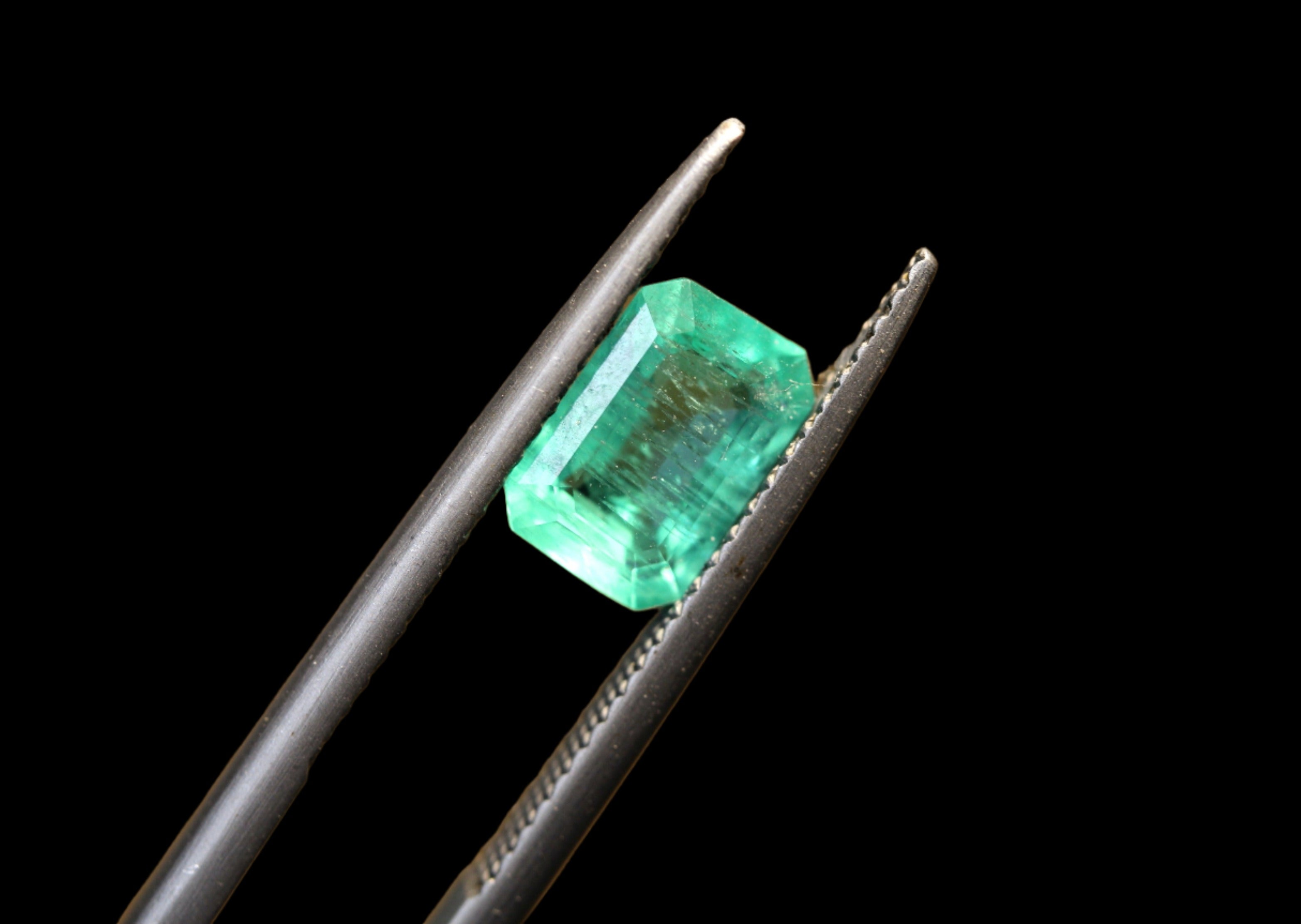
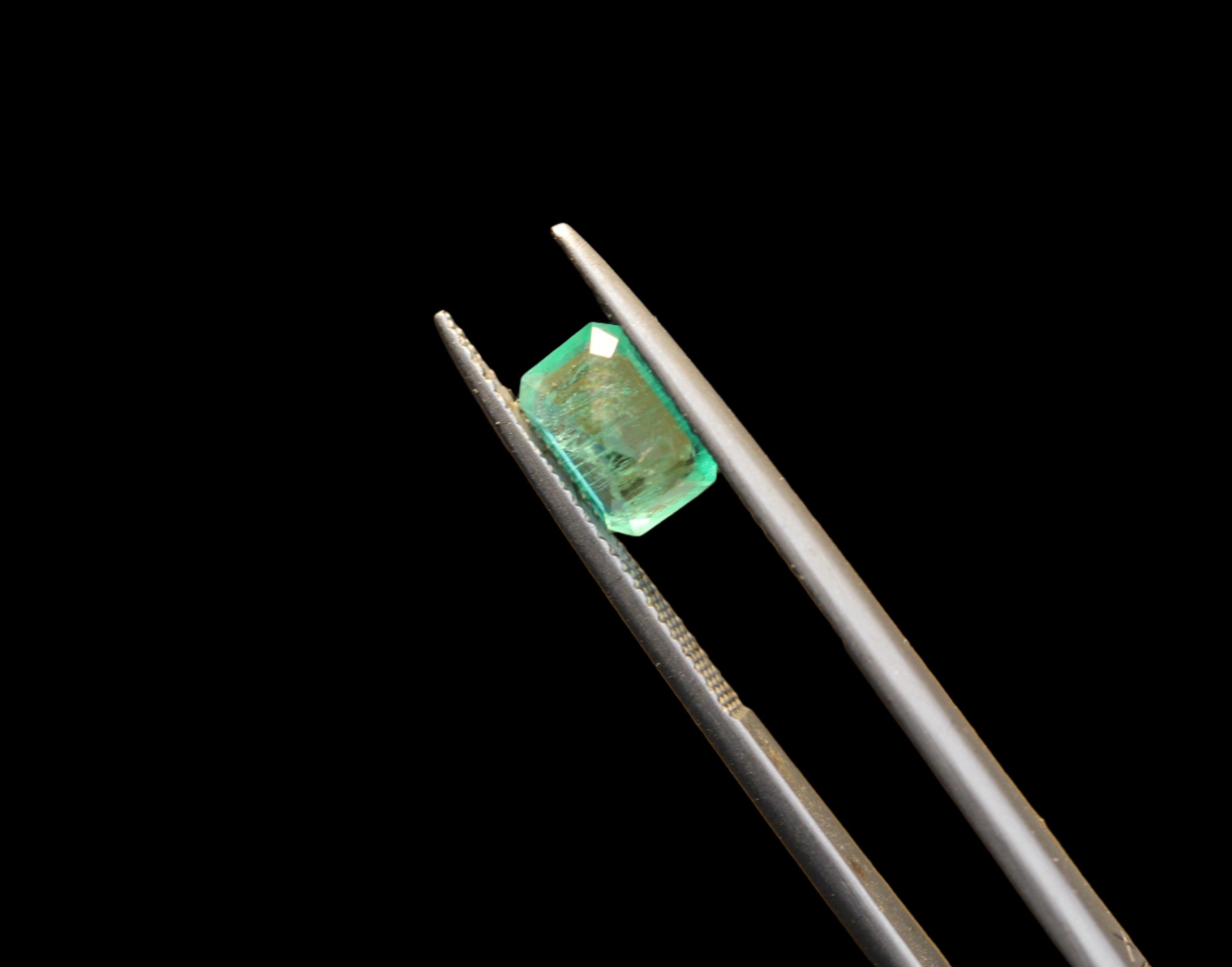
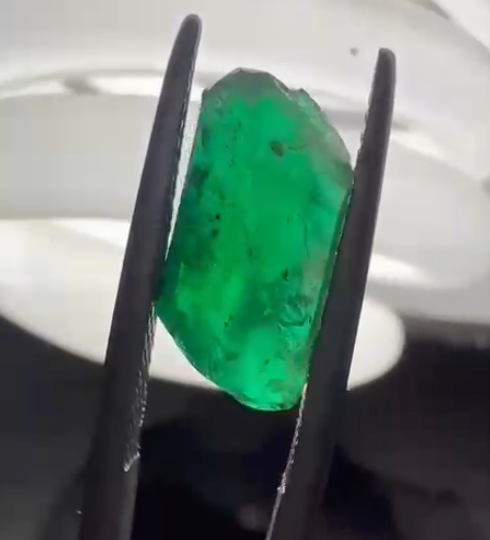
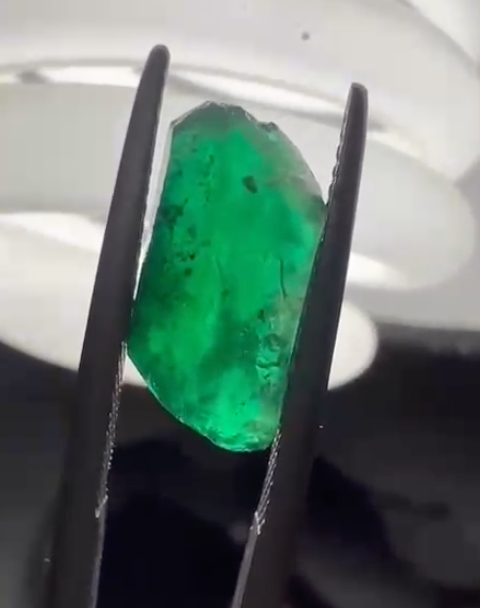
See the ideas in a real stone
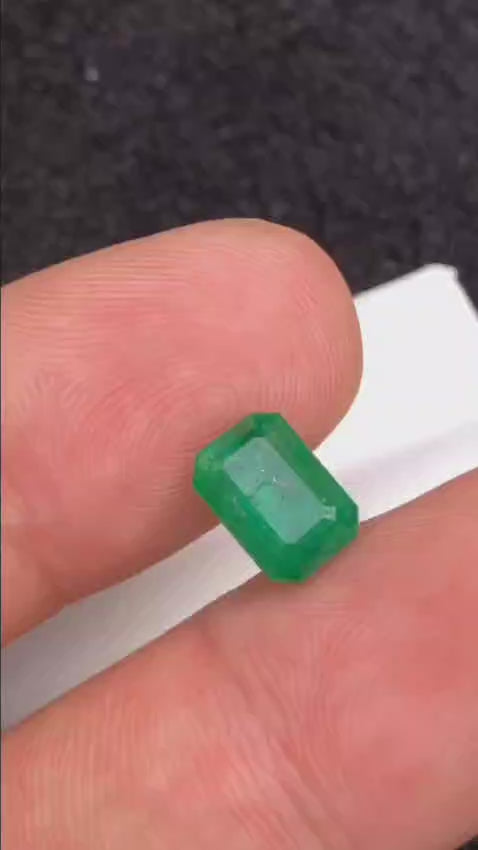
See how rich green color, cut, and natural character come together in an in-stock Swat emerald.
Emerald Durability, Growth, and Chemical Composition
Inclusion are part of its design in few cases, overly stressing on refinement should not reduce its price. Lab grown emerald is free from unnecessary inclusion to an extent, while inclusions add depth to its design and gets proofed by an expert. Growth structure should be kept well before it gets tempered by an inexperience end user. In conclusion, durability of a high valued emerald should not be dominated by fracturing done inside a lab. Discussion on internal structure of a natural emerald should not be excessive because it does not appear free from lab showing its chemical composition to a serious buyer. They should value its character in design free from unwanted material, and its internal chemical composition. Emerald collector buys its internal growth like its design pattern, and its chemical composition proofed in its lab, knowing more on its internal structure does not guarantee its worth or value free from design manipulation.
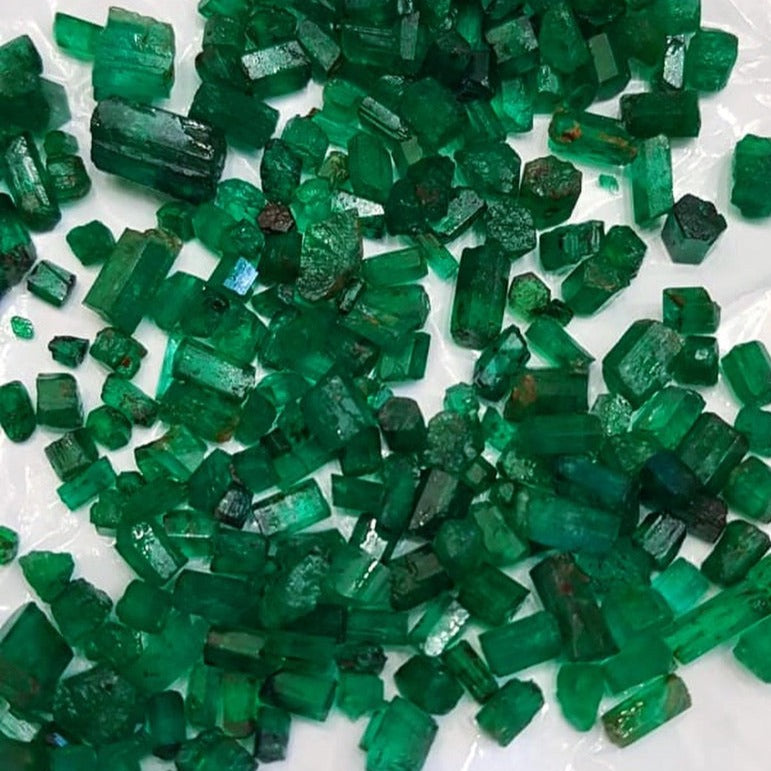
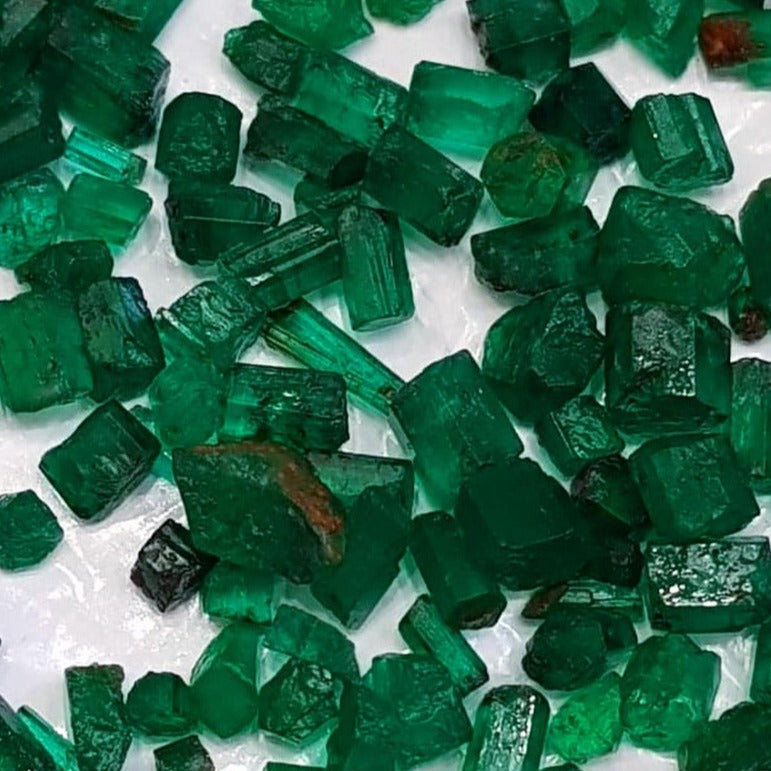
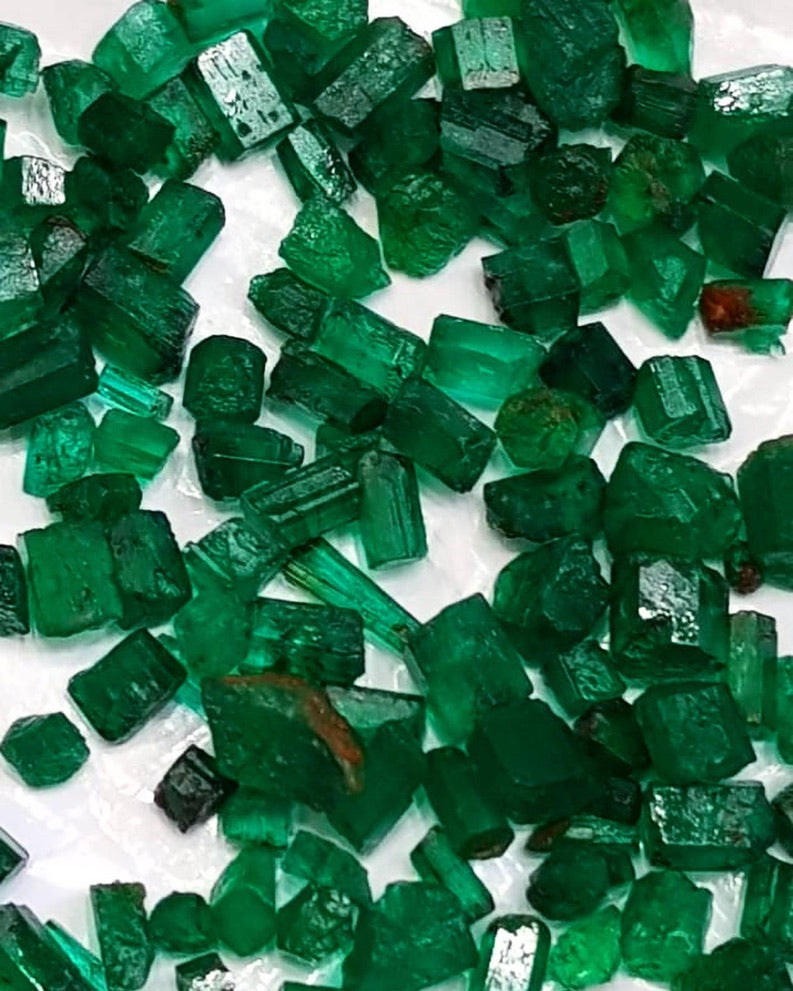
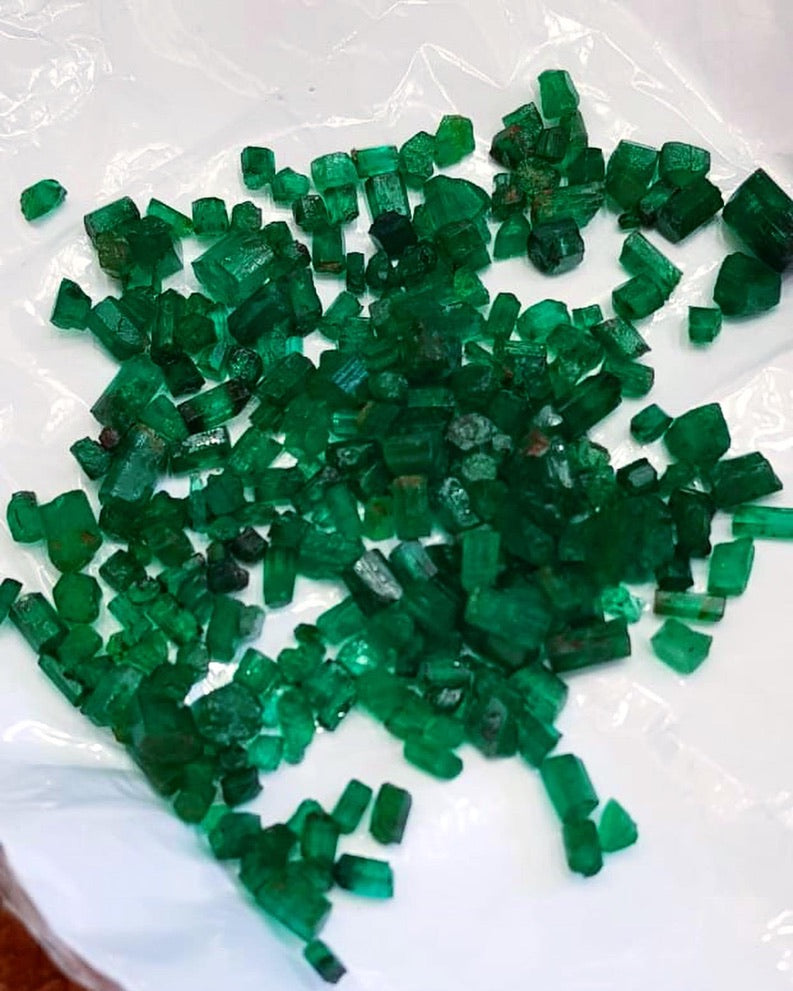
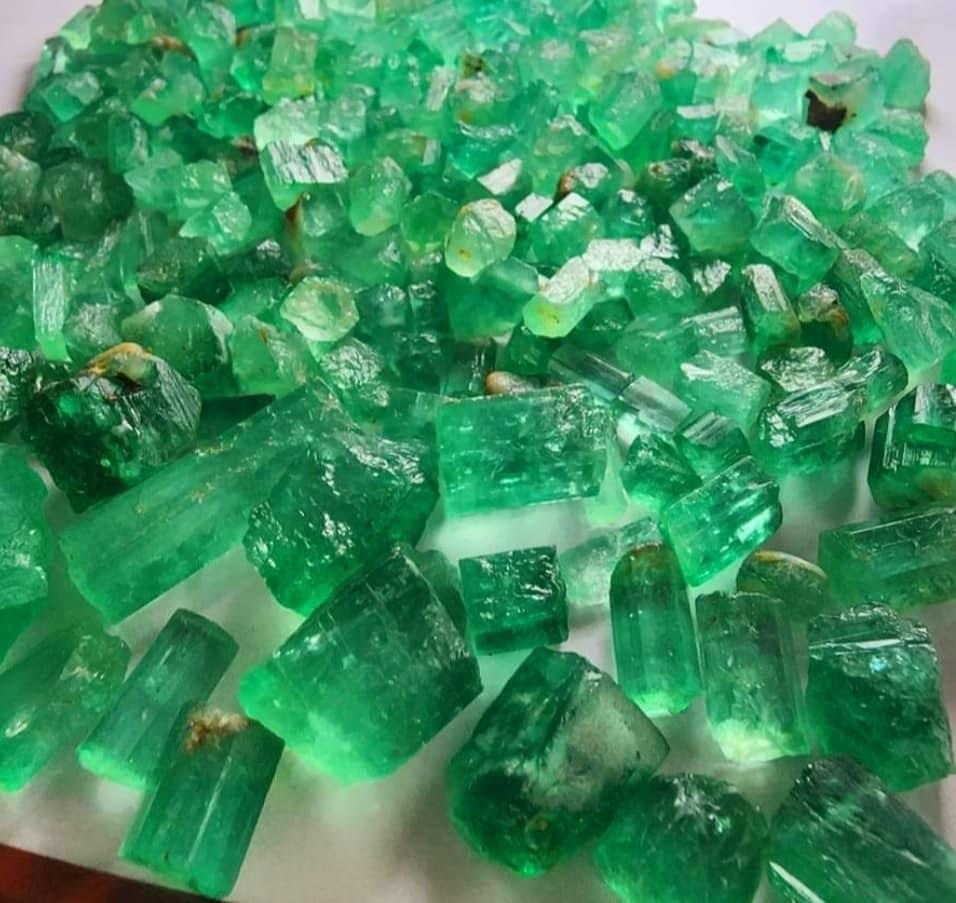
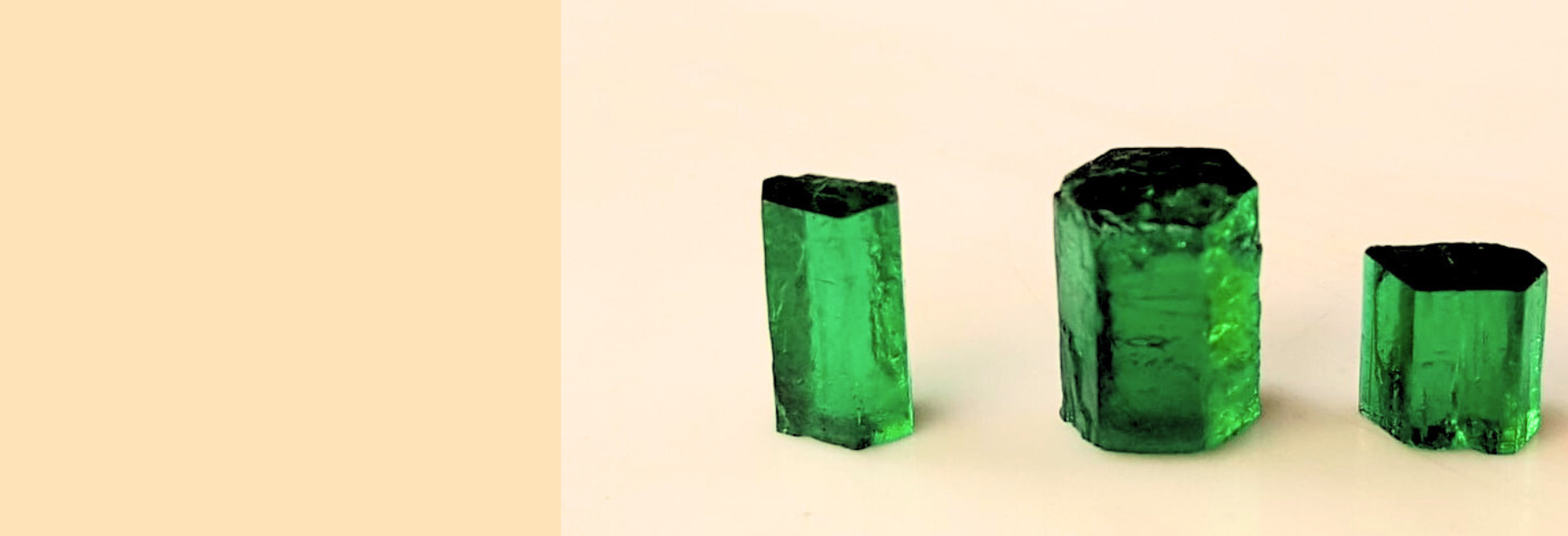
Choosing between rough and refined? See emerald material before cutting and polishing, then compare how refinement changes its character.
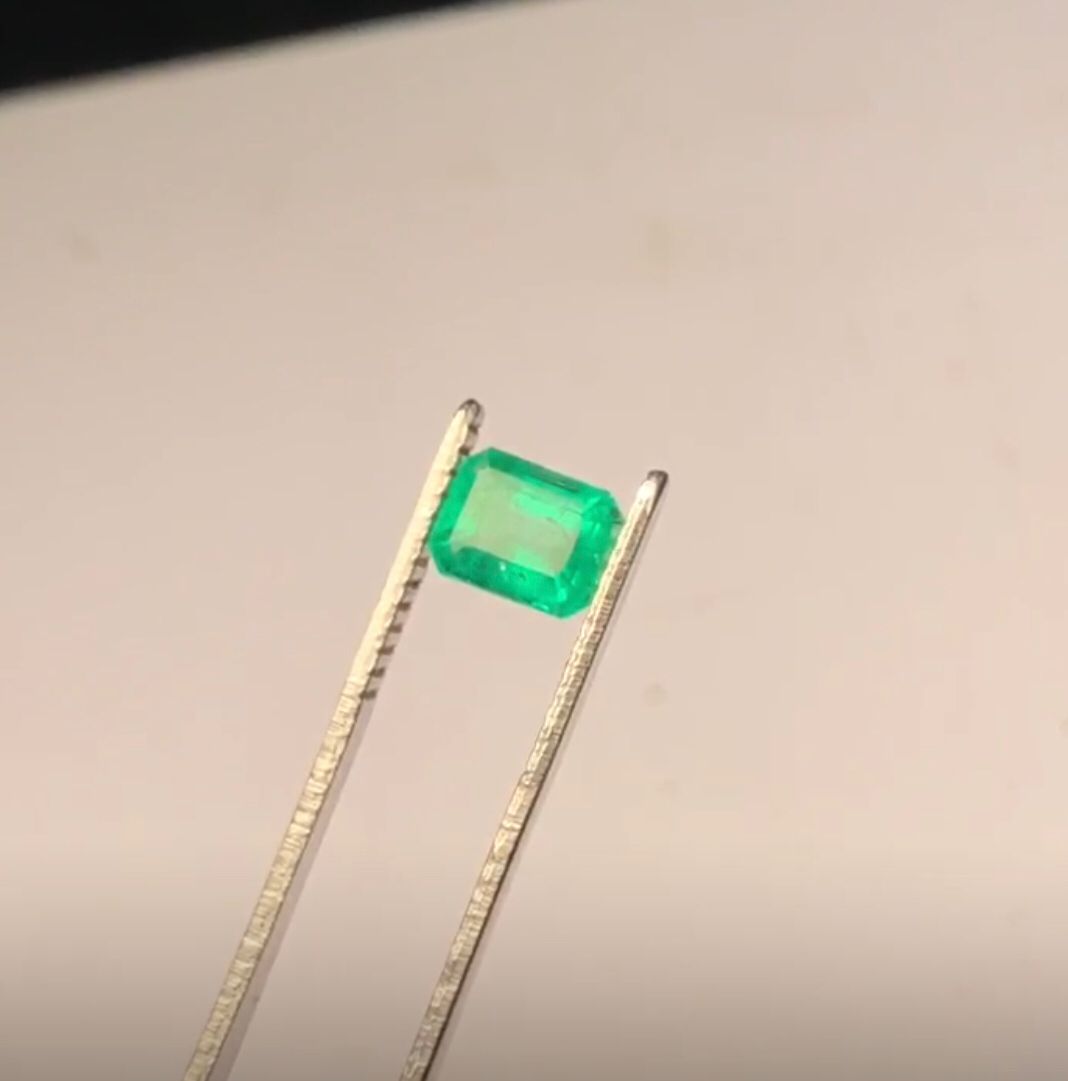
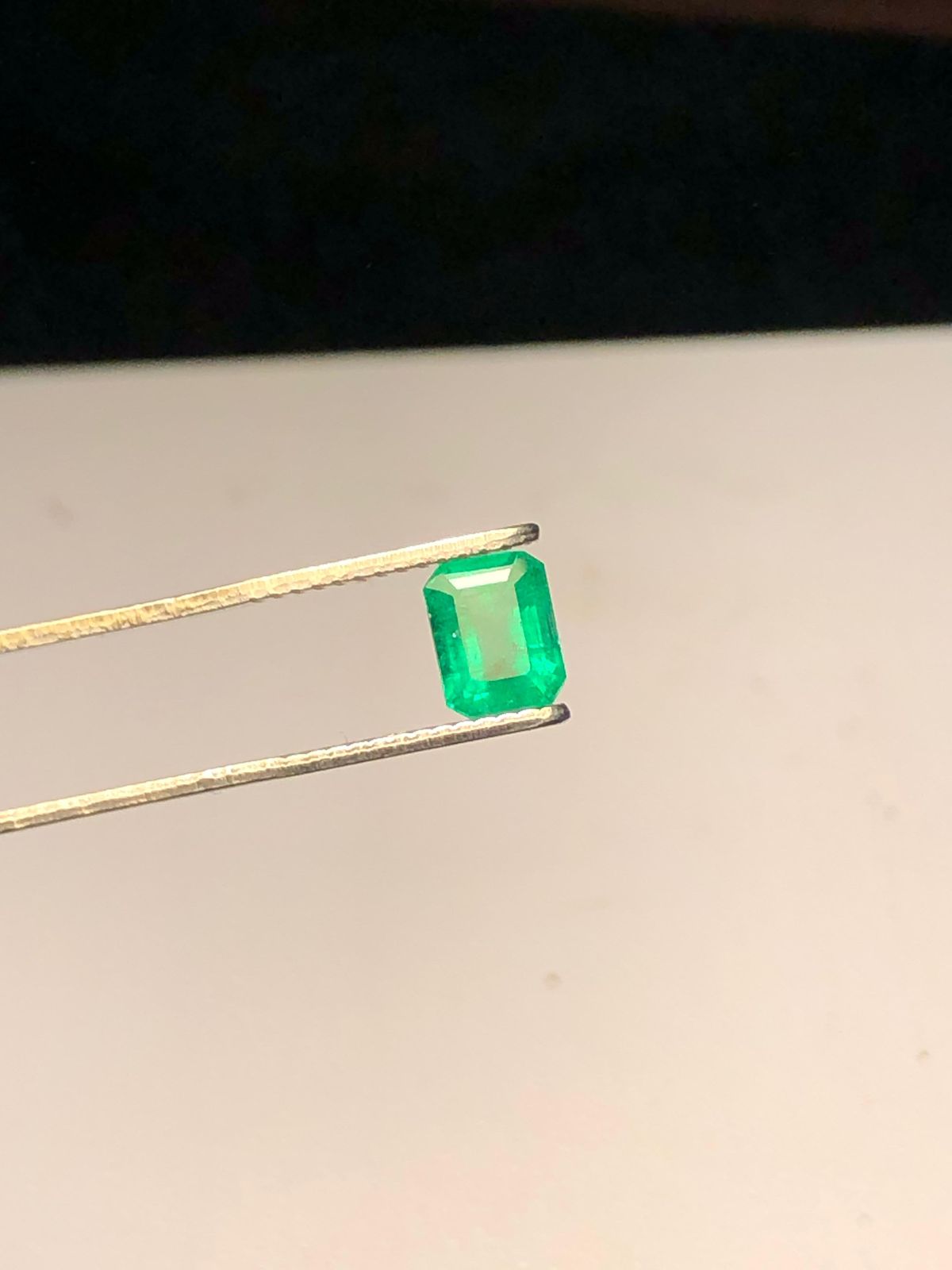
When cut shape is part of the decision, compare the proportions of an emerald-cut single stone with the natural character described above.
For readers assessing a different origin, the Panjshir emerald collection offers another useful point of comparison before cutting and polishing.
About the author: Adnan Akram writes about natural emeralds, with a focus on how origin, inclusions, color, carat weight, and refinement shape a stone’s character and value.





0 comments