

Emerald inclusions are natural crystals, fluids and fractures inside an emerald. Most natural emeralds have them, and the type and visibility affect clarity, durability and value. Emerald inclusions are quite interesting, but before we dive into this, we need to talk about clarity.
Inclusions are features enclosed within a gemstone or reaching into it from the surface. In emeralds, they can tell part of the stone’s formation story, affect its appearance, and influence how it should be handled. This guide looks at the main types of emerald inclusions and what to consider when examining a stone.
Emerald Clarity: Why Emerald Is a Type III Gemstone
Emeralds typically fall into the type II sort of gemstone. You’ve got three types.
Type 1 is one that’s very easy to see through, and there aren’t any inclusions. Aquamarines, and even heliodor are great examples of this.
There are also Type II sorts of gems, which are those with some sort of inclusions. Sapphires, rubies, and even some quartz are examples of this.
Type III is a final one, where they show off the inclusions, and this is usually where the emeralds come into. Many emeralds do get oiled in order to improve clarity.
These categories describe how commonly visible inclusions occur in a gem variety; they are not a grade assigned to an individual stone. Emerald is generally considered a Type III gemstone, meaning inclusions are expected. An emerald can still be attractive and valuable when its inclusions do not overly distract from its color or transparency. Emerald clarity characteristics are best judged alongside color and the stone’s overall appearance.
There are some terms used for inclusion of this. Jardins, or gardens of this are what they’re called. The emeralds all have inclusions which do showcase a garden, especially since they’re creations based on mother nature. No sets of Jardins do get the same, and they also are used for creating a way to figure out gems individually.
What Are Emerald Inclusions and How Do They Form?
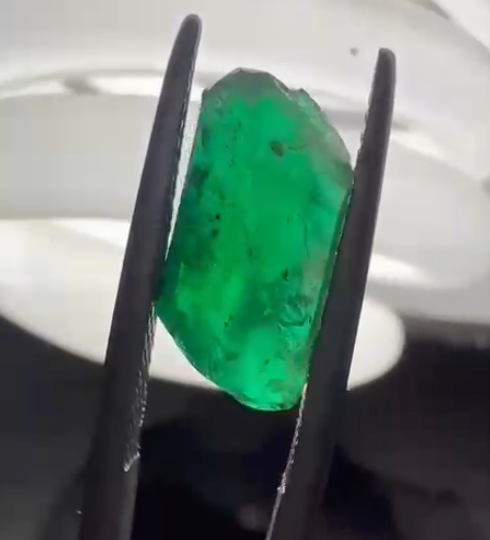
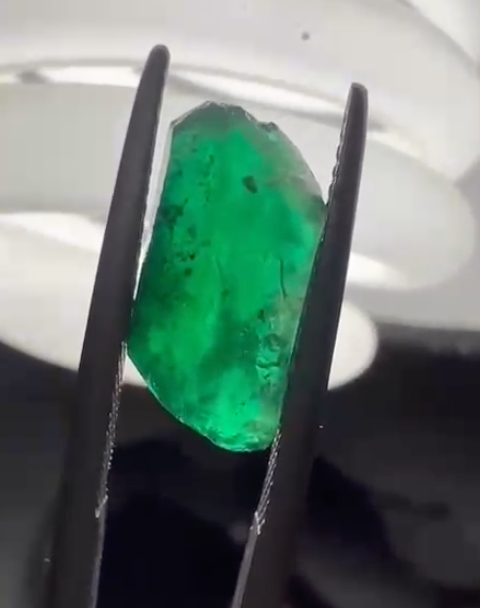
So most of the time, inclusions are called Jardins because they literally look like moss. Those that have a lot of inclusions and are hard to see through are definitely treated. They do need extra care due to the fact that they are susceptible to damage from inclusions. Now, despite all of this, they’re much more durable than even the fingers you have.
What Is Jardin in Emeralds?
“Jardin” is a descriptive term for the garden-like appearance of inclusions inside some emeralds. It does not identify one specific kind of inclusion. Also, the presence of many inclusions does not by itself prove that an emerald has been treated; treatment needs to be assessed separately.

Inclusions do happen because of how things occur in the wild. Mother nature works and commingles with different elements within the ground.
As an emerald crystal grows, it may enclose other tiny crystals, fluids, or gas. Changes during growth and later geological stress can also leave features such as fissures. These features differ in size, location, and visibility from one emerald to another.
Can Emerald Inclusions Reveal Origin?
Gems that are transparent and beautiful are usually what people want, but the thing is, if you get specific locations, there are different types of inclusion there. However, source-specific inclusions aren’t always there on every single emerald.
A lot of inclusions do vary with the way that they’re found, and there are also diagnostic tools that are used to assess each of these in order to find the origin country.
Fractures, along with inclusions that are there in liquid form tend to be the most useful, and usually, inclusions sometimes can be different types of inclusions.
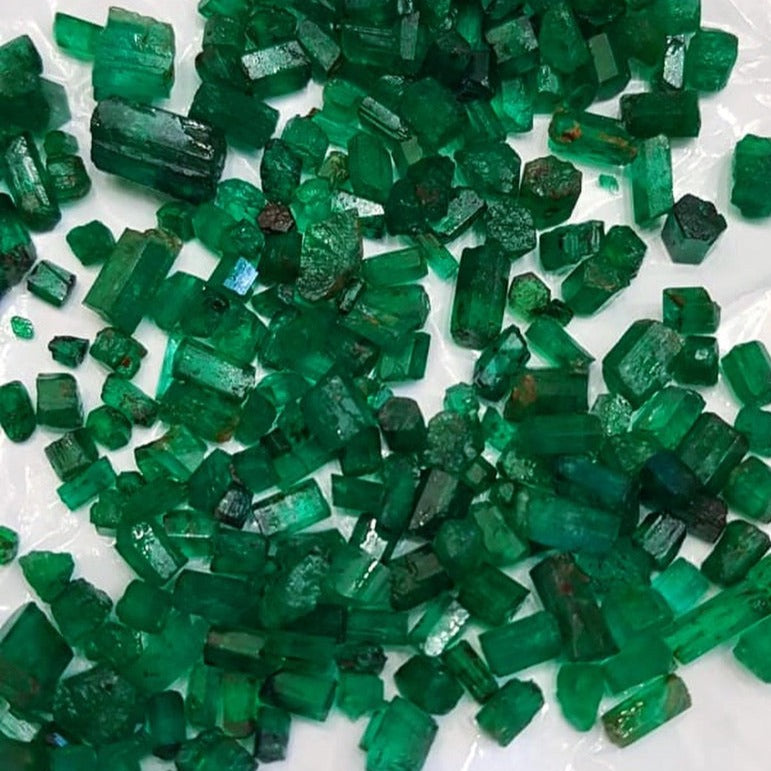
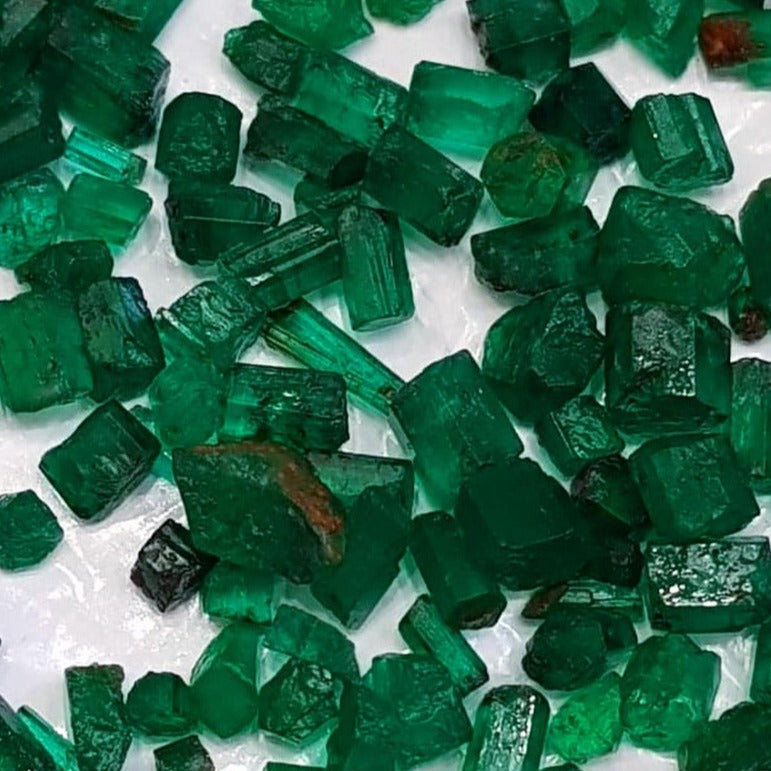
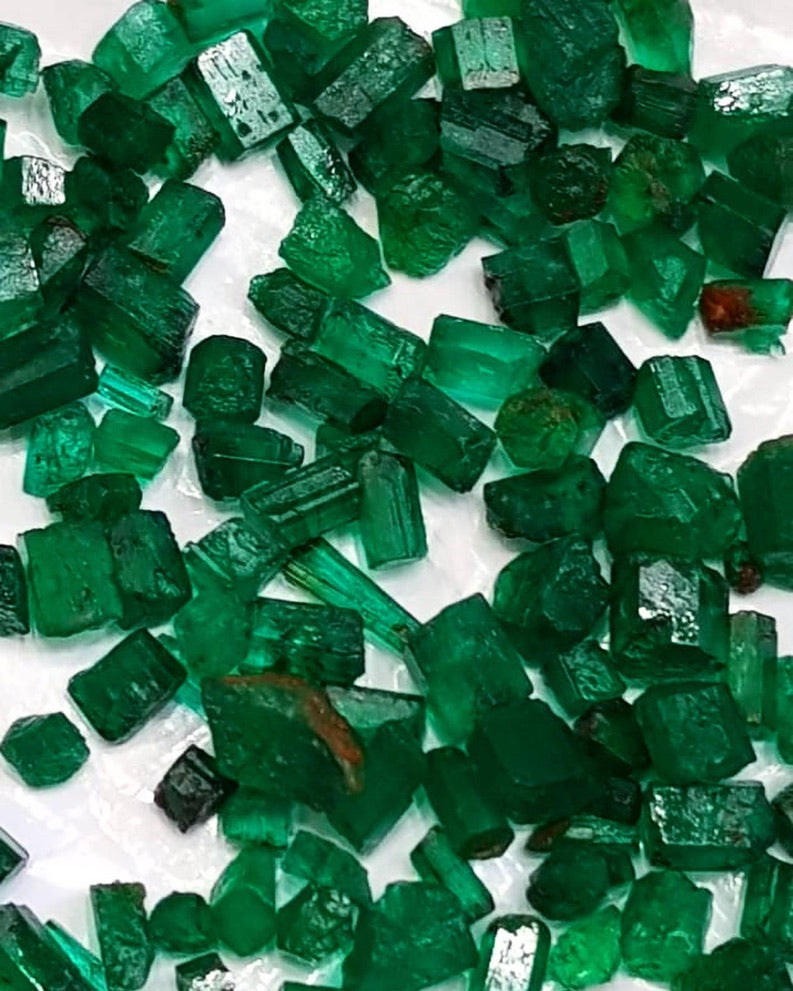
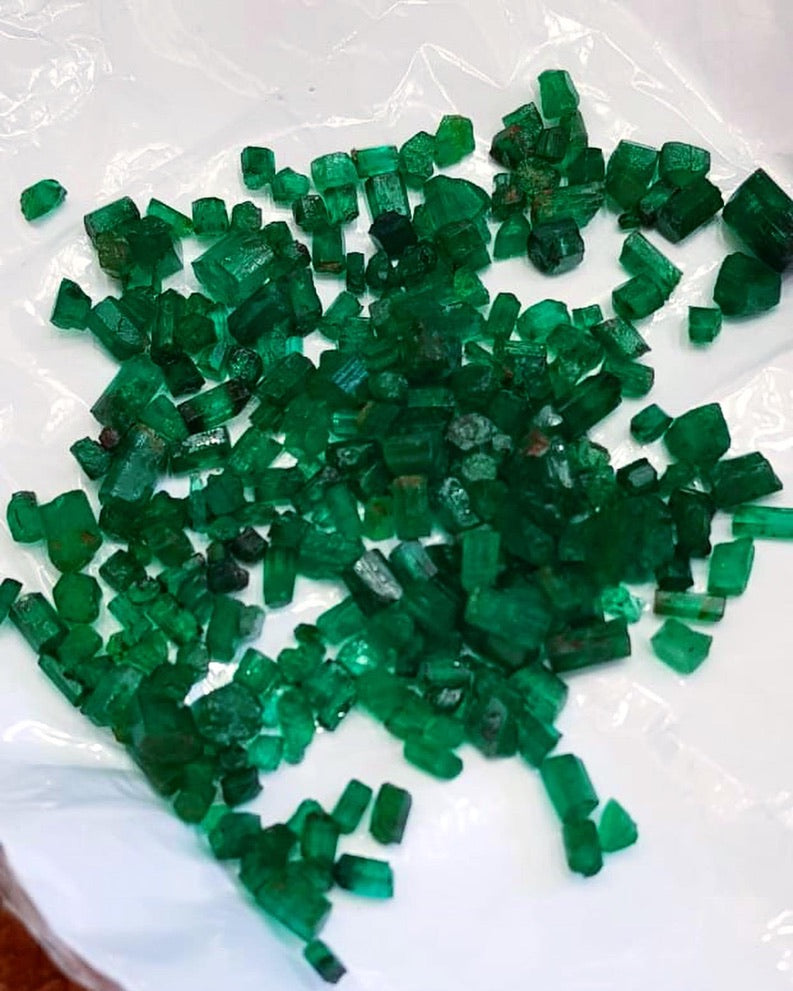
Some inclusion patterns can support an origin assessment, but a single feature is rarely enough to establish a country of origin. Gemologists compare observations under magnification with other evidence, and an independent laboratory report is the better route when origin matters to a purchase. Compare stones from the Panjshir emerald collection and the Zambian emerald collection while keeping in mind that photos alone cannot verify origin.

Common Types of Emerald Inclusions
Crystal Inclusions in Emeralds
Crystals are a unique one, as they involve this crystallisation of different materials within each emerald. There are many different inclusion of crystals that are there, based on how many crystals are present within this. It's also quite interesting because you can sometimes find halos that surround this, which is created by differences in the melting temps of each of the emeralds and the crystals during the formation process.
Crystals in Emeralds

Under magnification, enclosed crystals may appear as small solid shapes within the emerald. Their identity and surrounding features require careful examination rather than a conclusion based on appearance alone. For a broader view of what an emerald’s visible features can mean, see how to identify high-grade emerald properties.
Liquid and Three-Phase Inclusions in Emeralds
Liquid inclusions are another really common one, as they are essentially a way to fill different cavities within emeralds. They also do form when there are gas bubbles, as they create what’s called phase two inclusions. These are very common in emeralds. There are also three phase types of inclusions where liquids, gasses, and crystals form here. In some rare instances, gasses will bubble within this, or the crystal included moves within each cavity that’s there.
A fluid inclusion may contain liquid alone or a combination of liquid, a gas bubble, and a solid crystal. Gemologists refer to these as one-, two-, or three-phase inclusions according to what is present in the cavity.
Liquid Base Inclusion in Emerald

Their shapes and contents can be useful clues, but they should be interpreted in context. When comparing types of inclusions in emeralds, distinguish the material inside a cavity from the pattern it makes under magnification.
Fingerprint Inclusions, Needles and Growth Tubes in Emeralds
Finally, we’ve got fingerprints, which are seen in a lot of sapphires and rubies. They usually are coarser and heavier, but they do oftentimes resemble fingerprints that we have and create, as they create a veil that’s wispy. This is something that’s different because of the range of each appearance.
Finger Print Inclusion in Emerald

The fingerprints do form when you let the gas and liquid form within this, and it makes two phase inclusions with this.
Finally, you’ve got longer crystals known as needles. After falling with this, you’ve got growth tubes that are hollowed, and leftover from different crystal formations.
Fingerprint-like patterns may form when a fracture heals, leaving many tiny fluid-filled cavities. Needles are slender solid inclusions, while growth tubes are narrow channels associated with crystal growth. They are different features, so identifying them accurately takes magnification.
How Inclusions Affect Emerald Value
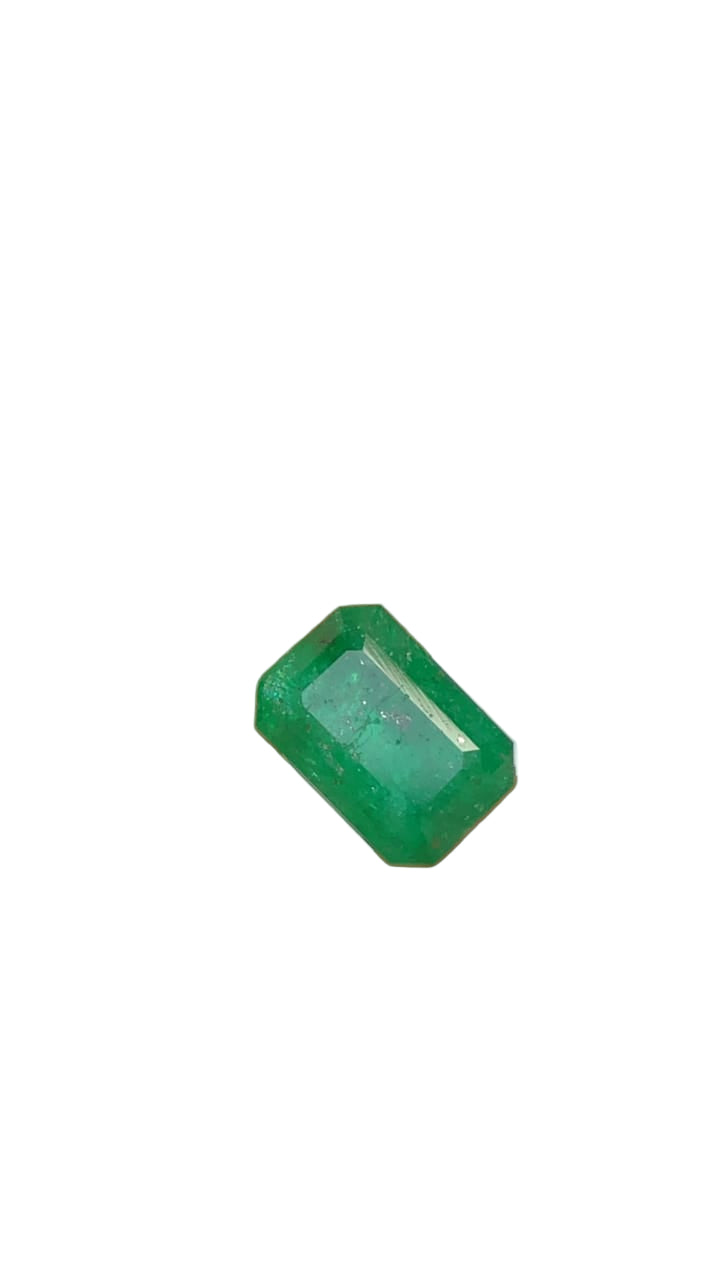
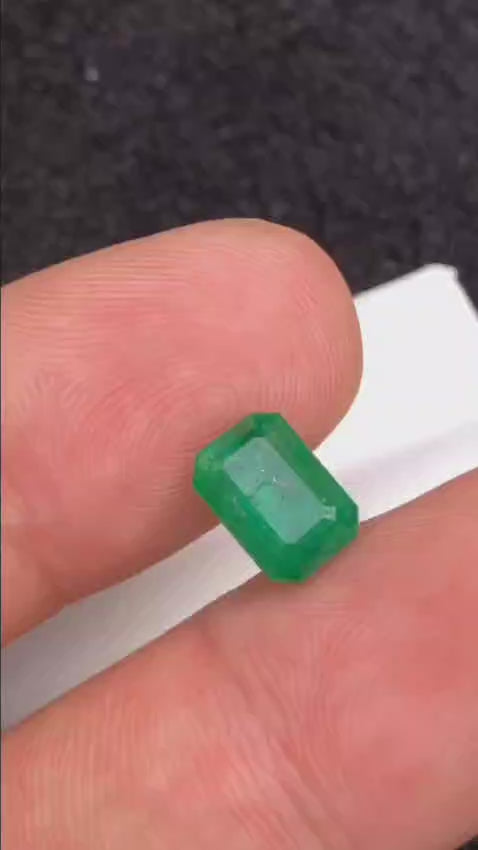
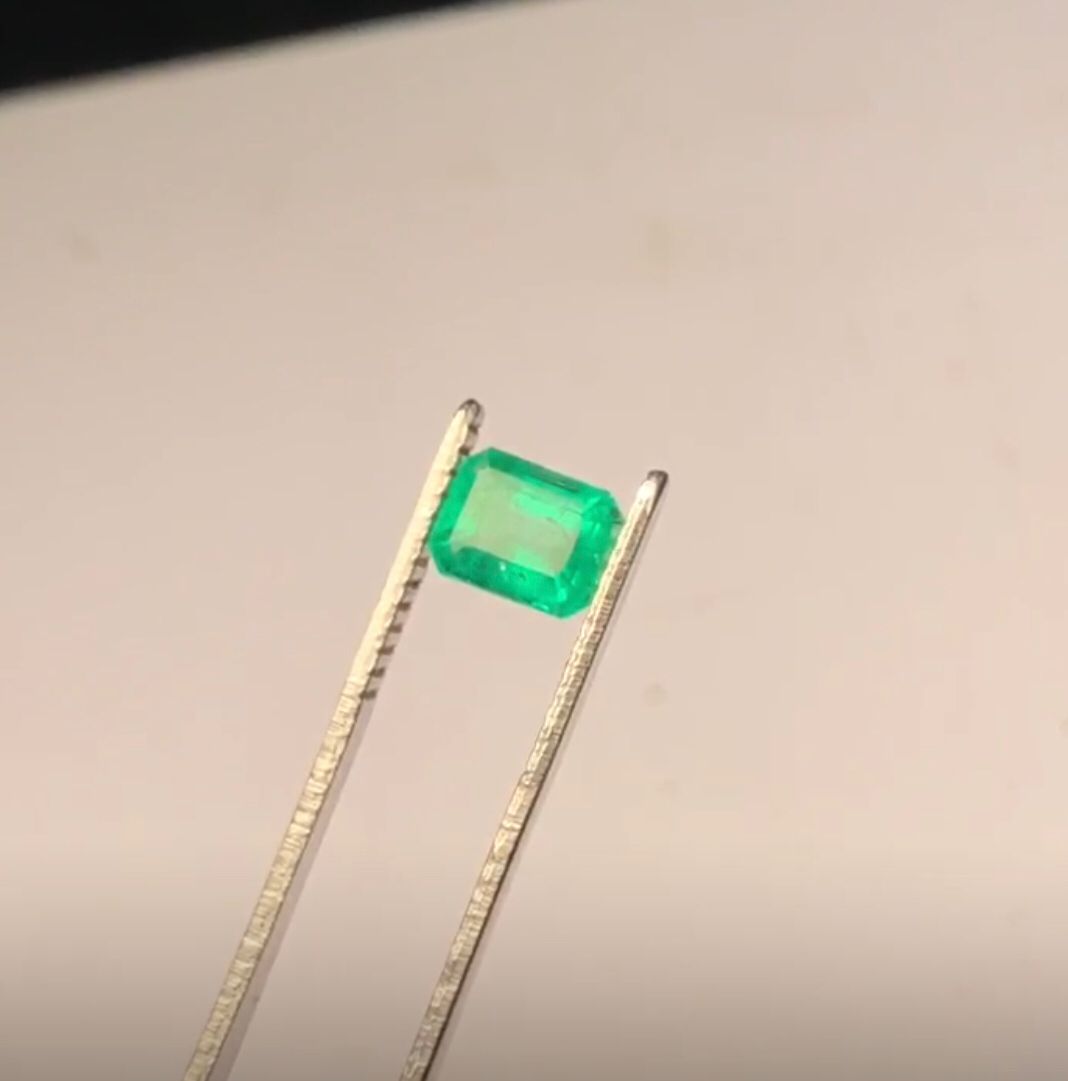
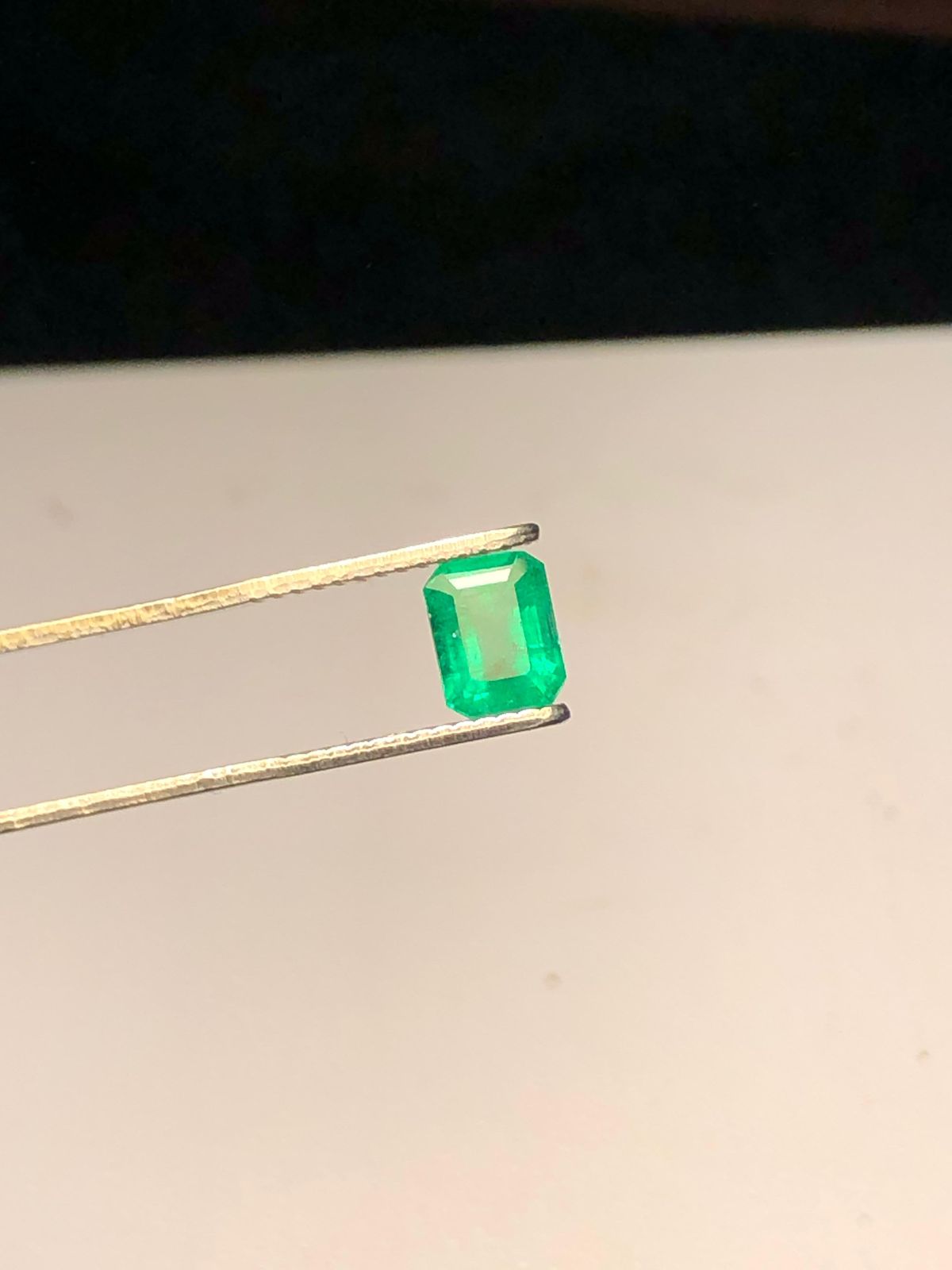
When looking at an emerald, consider whether an inclusion is visible without magnification, whether it interrupts the stone’s transparency, and whether a fracture reaches the surface. Color, overall appearance, size, cut, and any disclosed treatment also matter; an inclusion count alone cannot determine value. Compare the photos of this 4.85 carat natural emerald with those of this 1.4 carat Swat emerald as examples of individual stone listings, not as a substitute for grading.
Emerald Oil Treatment and Fracture Filling
Emeralds are often fracture-filled with oil or another substance to make surface-reaching fissures less noticeable. Ask about treatment and, for a significant purchase, review a reputable gemological report. A report can help describe detectable clarity enhancement without assuming that every included stone was treated. Emerald oil treatment is one form of clarity enhancement worth asking about before buying.
Needle inclusions, and some out-of-focus fractures in an emerald

Because emeralds can contain fractures and clarity enhancements, avoid knocks, harsh cleaners, and sudden temperature changes. Warm water, mild soap, and a soft cloth are generally safer for routine care; check treatment information before using ultrasonic or steam cleaning.
Emerald Inclusions: Key Takeaway
Inclusions are normal in emeralds and can be part of what makes each stone distinctive. The useful question is not simply whether an inclusion exists, but what kind it is, how visible it is, whether it affects durability, and what a qualified examination can establish about treatment or origin. For more on how appearance affects a stone’s evaluation, read about the qualities that determine an emerald’s worth.
Frequently Asked Questions About Emerald Inclusions
Do all natural emeralds have inclusions?
Inclusions are very common in natural emeralds, but their visibility varies. A stone may look clear to the unaided eye and still show inclusions under magnification. Do not use a lack of visible inclusions alone to decide whether a stone is natural.
Are inclusions bad in an emerald?
Not necessarily. Inclusions are expected in emeralds. Their importance depends on how noticeable they are, whether they affect transparency, and whether a fracture could affect durability. Evaluate them alongside color, cut, and any disclosed treatment.
What does jardin mean?
Jardin is a descriptive term for the garden-like appearance that groups of inclusions can create inside an emerald. It is not a formal grade or a single type of inclusion.
Can inclusions tell me where an emerald is from?
Some inclusions can provide clues about geographic origin, but no single visible feature reliably proves where a stone was mined. If origin matters, ask for an independent gemological laboratory report and read its conclusion and limitations.
Related Emerald Guides
Why two emeralds look different
Explore the features that make individual emeralds distinct.
Read What Makes Two Emeralds Distinct?The four Cs of emerald quality
Put clarity in context with the other qualities buyers compare.
Read The four Cs of an Emeralds QualityHow to grade emerald gemstones
A closer look at the factors used when evaluating an emerald.
Read How to Grade Emerald Gemstones?Choosing a good emerald
Bring the clarity discussion into a practical buying decision.
Read How to Choose Good Emerald Gemstone?Origin and formation
Understand the geological story behind the stone’s internal features.
Read Origin, Formation, and Refinement of an Emerald





0 comments