

How to Tell Two Emeralds Apart
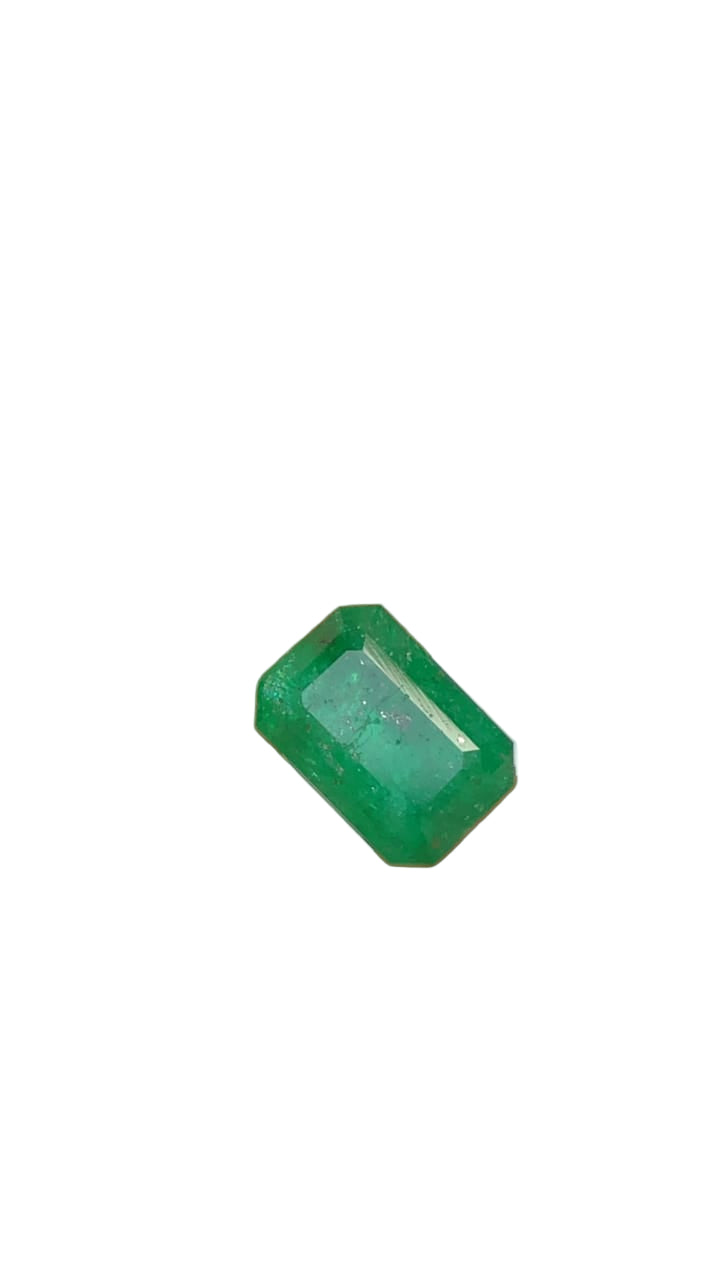
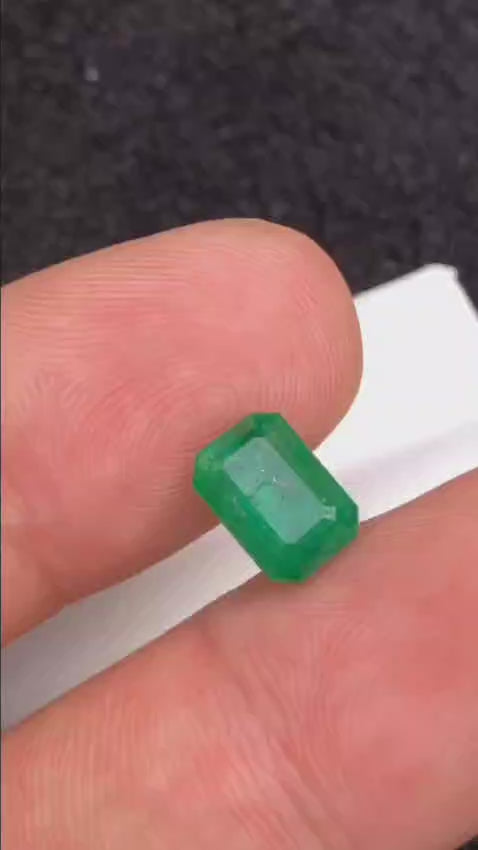
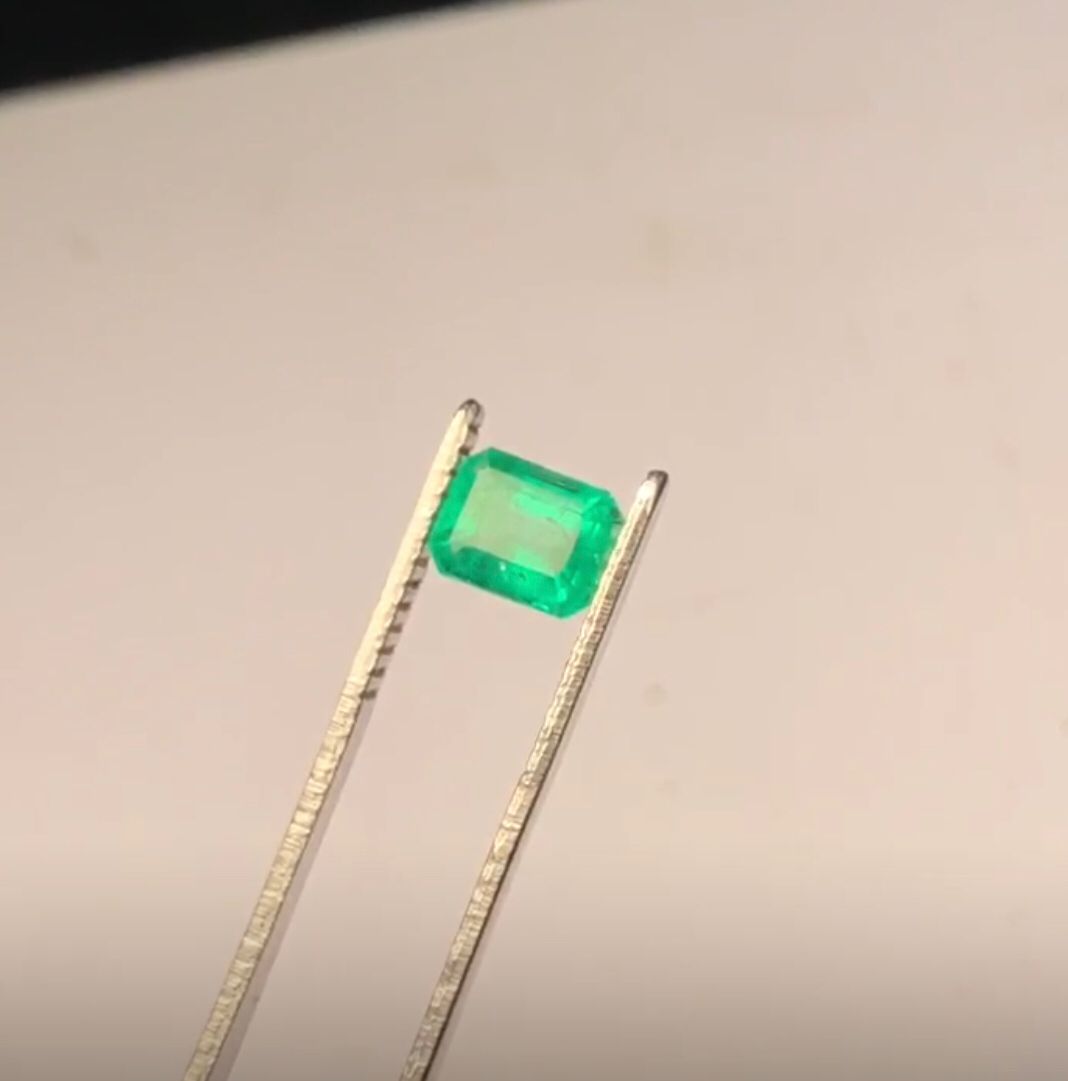
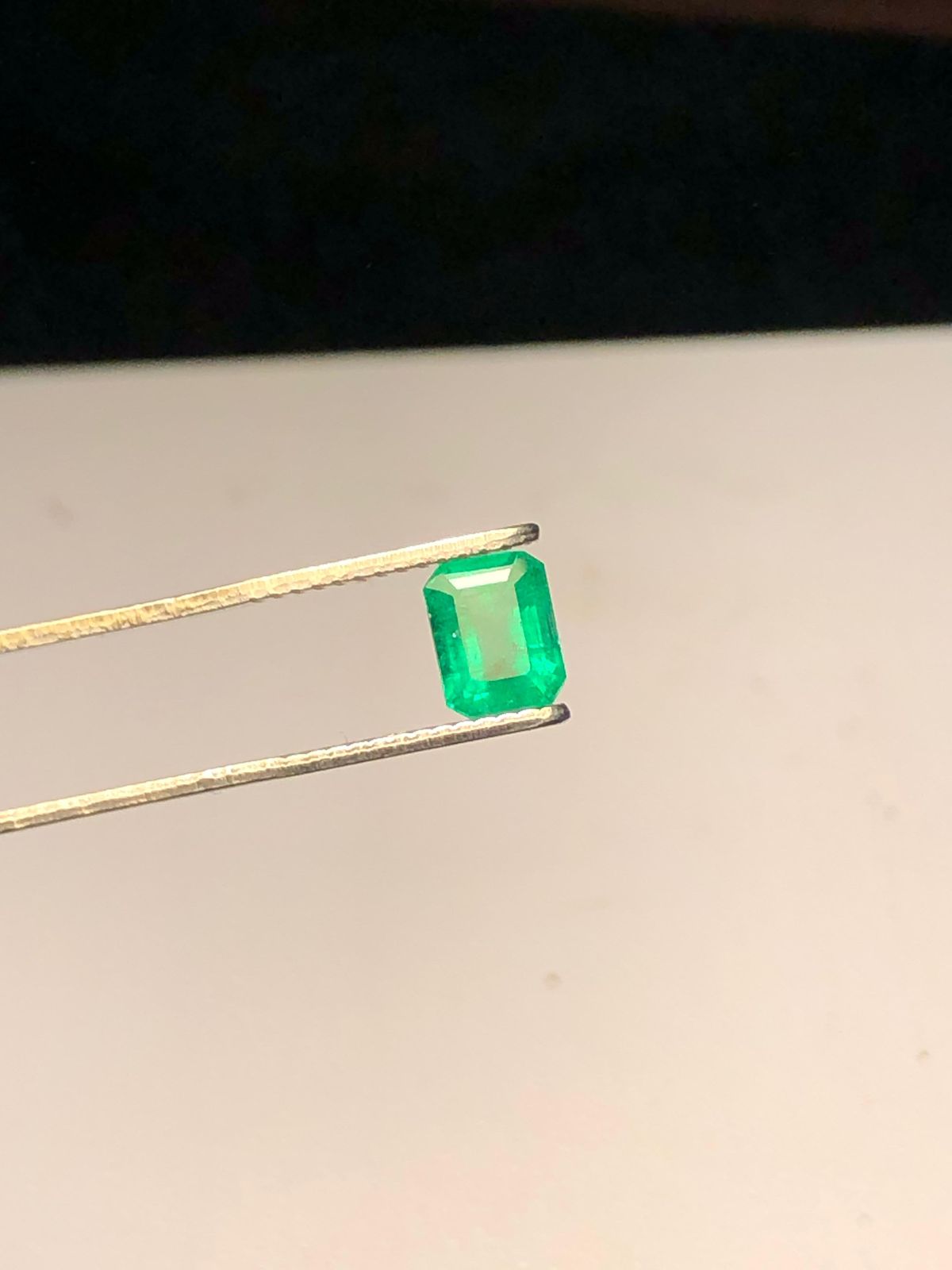
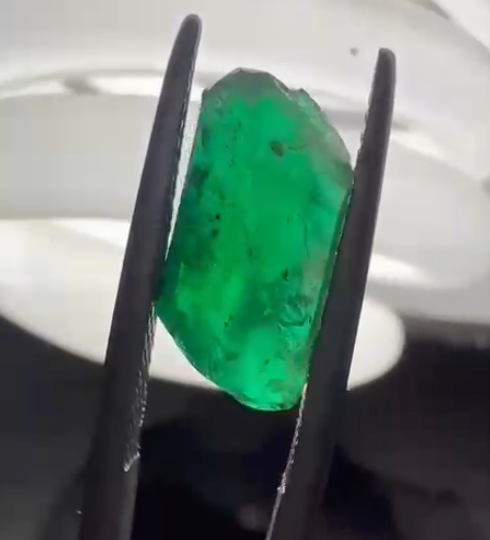
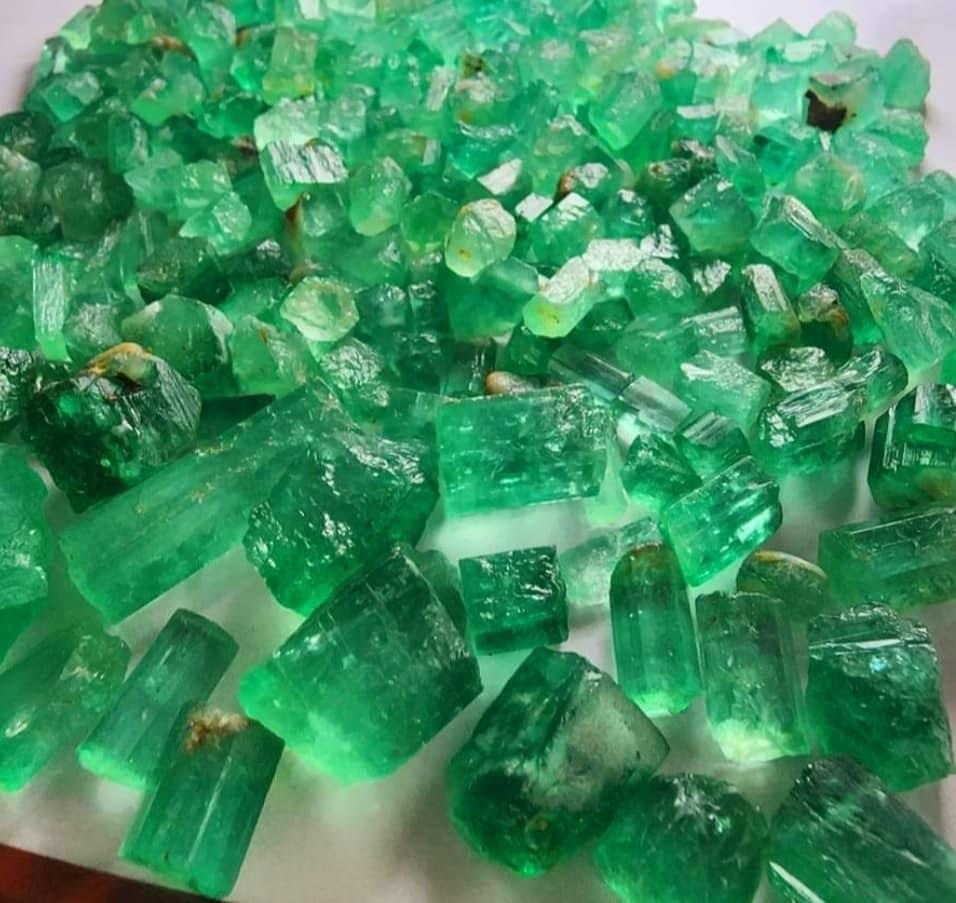
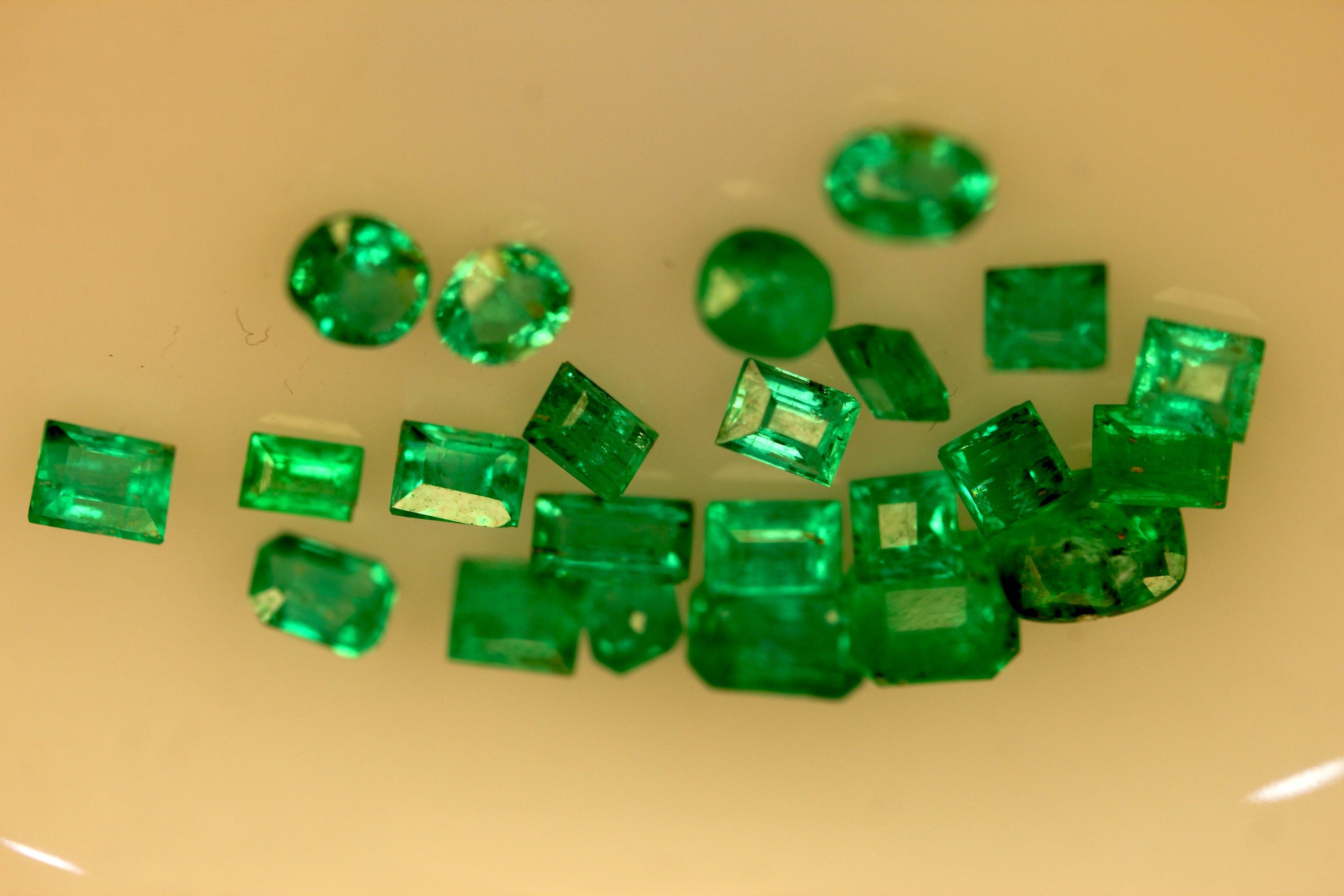
What makes two emeralds distinct? Generally a lot of emeralds look alike in appearance and color. However if you get microscopic look on its properties like its internal structure, origin, weight, and durability, they show them a clearer picture properly backed by expert opinion.
Naturally formed emeralds have a specific pattern, chemical composition, proper or ideal condition like temperature and pressure present in its environment. Following jewelry trend in its season is helpful for properly proofing its value of internal, merits. Comparing two pieces of emerald shows how its concealed features or internal properties differ from each other. Therefore, relying on your personal list is another appropriate option for an expert.
Overlooking its false design and internal structure does guide informed shoppers. And over relying on false info provided to misinformed customers makes it improper. Questionable origin of an emerald does reduce or decreases its value.
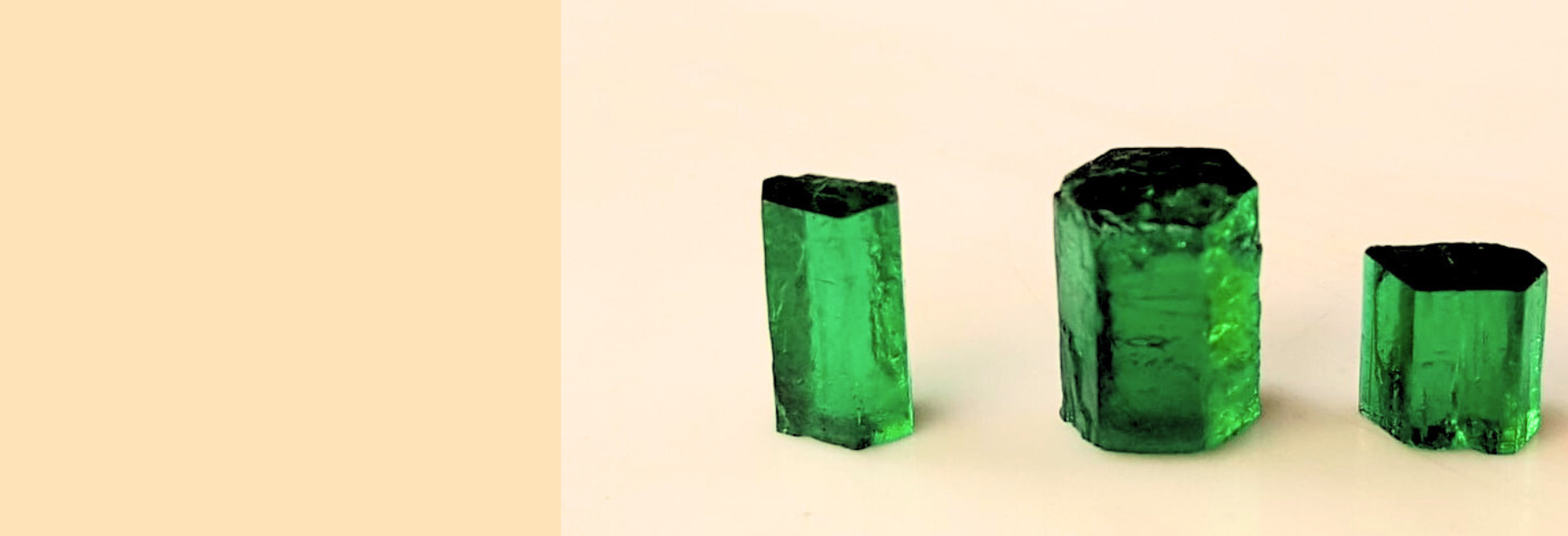
Differentiating origin proofed emerald from an unproved is conducted before they go to a cutter good at polishing and keeping it in natural environment. Some of natural emerald crystals reveal info on its origin and polishing. Geological print of one type of emerald or top graded is preferred for this purpose, because it provides info on its major attributes, like where and when was it formed.
Proper development in easy words makes a difference in its appearance, appeal and structural pattern. If a polished Crystal shows its pattern of growth, it makes it more valuable than commercially manufactured end product. Appeal of a properly kept gems increases in price and makes it easy for a pro to work on its refinement, before it goes to a cutter for observation in its first time appeal or impression.
High on individual features like presence of distinct minerals makes it to a credible list. Properly proofed gem are not only high in its grade, it’s more obvious in its structural design and pattern. Green colored moss and presence of right kind of minerals make it appropriate for cutting, polishing and refinement at large. Basic observation provides a look at its color, how its distribution is done is another requirement proofed or done in a lab. Loose emerald stones are graded the same way before they reach a buyer.

Want to see emeralds from the region this article describes? Browse the Swat emeralds collection and compare origin details on real stones.
View Swat EmeraldsHow Gemologists Evaluate Emerald Quality and Origin
Gemologists find its outer appearance valued especially if it is shown how hue, saturation point is reached, because all these basic factors provide necessary info on its proper condition and environment. Likewise growth or development of an emerald is part of necessary info on its pattern and design. At a first glance, green color of a gem is noticed or examined by guides of emerald market.
They should ensure its outstanding quality or dominating appeal over other colors. Few observers find or trace emerald inclusions if they get a closer look at emerald and other gems present in its market. Refining process defines how its growth has occurred adding to its structure in design and its character. Unrefined deposits of emerald crystals are high in value than refined one done by researchers. Fracture filling is done afterward, like its domination or prominent place in its market.
Lab grown emeralds are less in its value than natural one, because there is a possibility of overly polished end product. Gemologist combine or factor in inclusion before it goes to market, where its price and other quality ensuring procedures are conducted. Naturally present imperfections are valuable in an opinion of expert. They are confirmed in lab, because their analysis breaks down info on its worth, without any false or wrong comparison.
Lab observatory is not limited to one inclusion visible to a proper researcher; rather it goes beyond its basic line. In other words if natural emeralds are not its limitation, it makes origin confirming process long and tiresome. More than appearance resembling, its internal structure is another common factor making them different or unusual that makes them prominent over other emerald crystals.
Getting microscopic look shows where fracture filing resin is applied compared to other gemstones present out there. Chemical composition of emeralds from Swat demonstrates its unique attributes like it has its own geological record while developing in its environment. Its visible proof is another factor contributing or making it a valued product. Broadly, its green in color like moss, and it has presence of other minerals making it valued.

For buyers comparing regions
Reading about chemistry is one thing, holding the stones is another. See how they look side by side in the Panjshir emeralds collection, where every listing notes its origin.
Explore Panjshir Emeralds →Swat and Panjshir Emeralds: Similar Appearance, Different Chemistry
If we compare emerald from Swat.,Pakistan with Panshir gem from Afghanistan, they resemble with each other for keeping their individual properties intact. Similarity in appearance does not show their difference in its internal chemical structure.

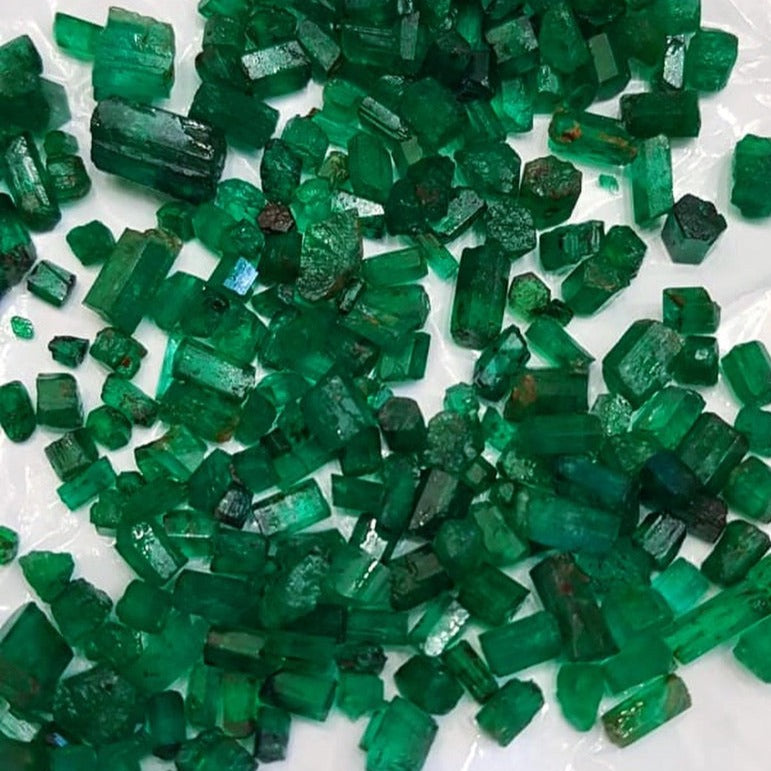
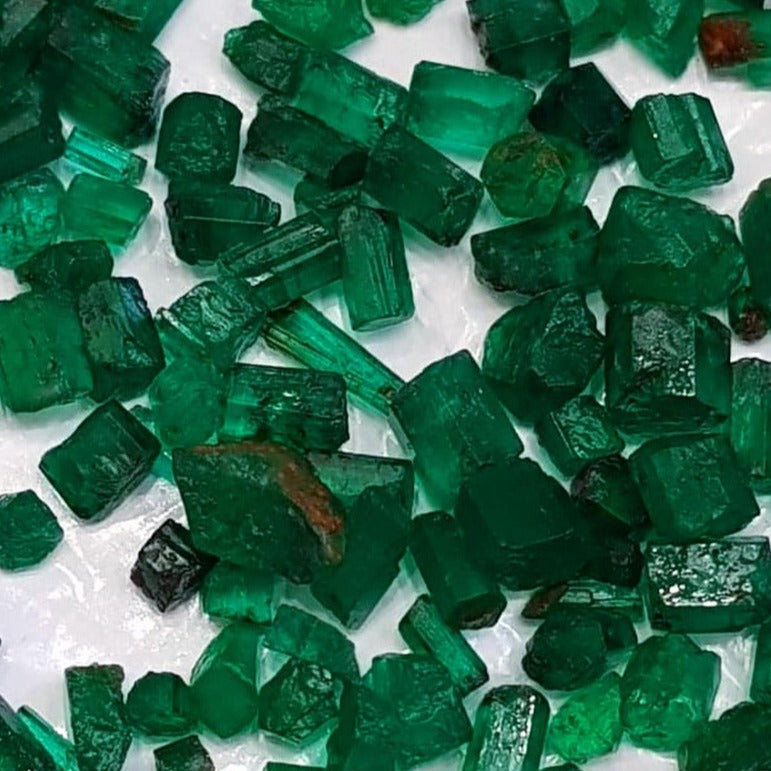
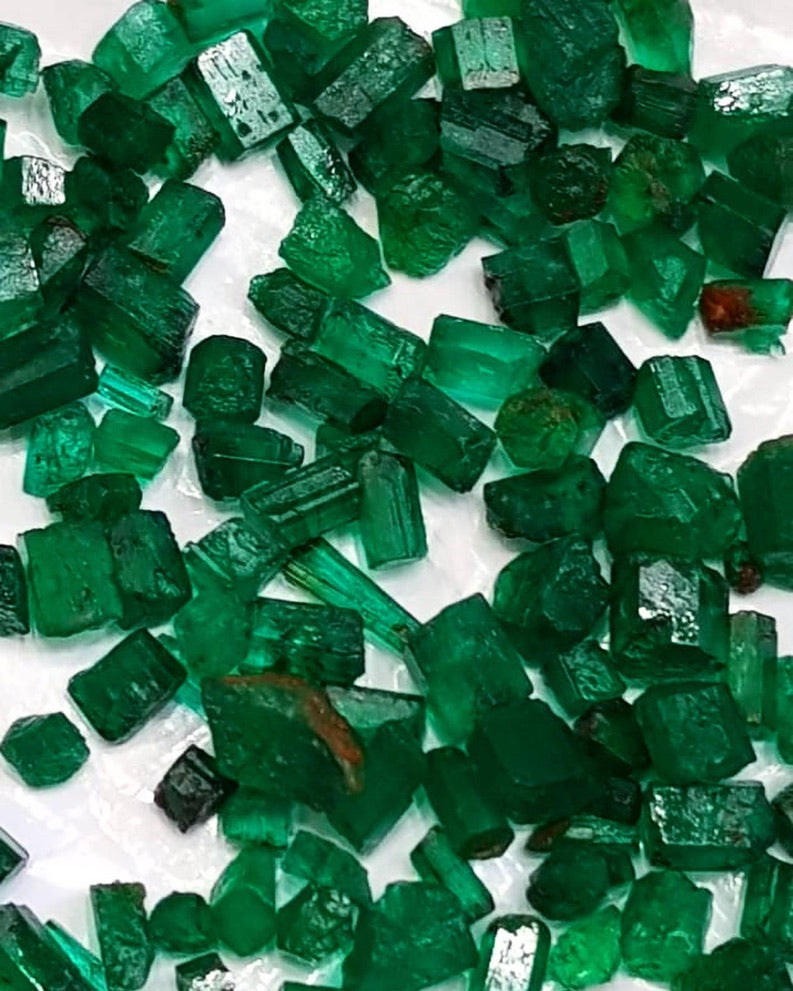
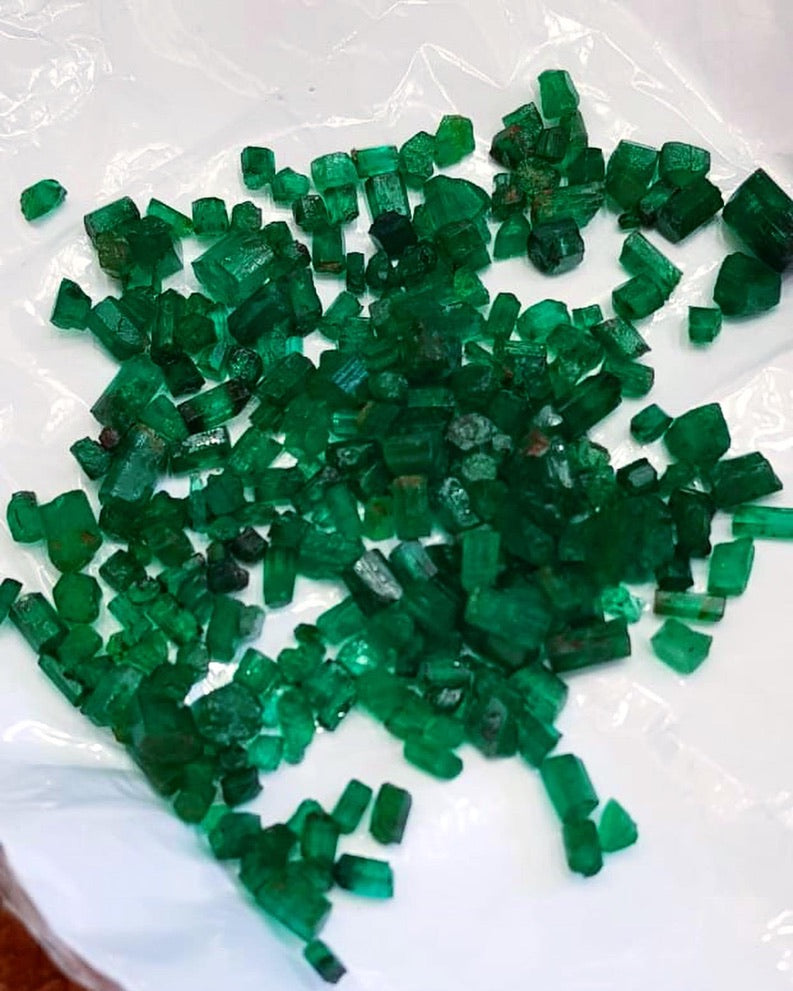
A loose 6-carat parcel of Panjshir emerald stones is currently in stock, a practical example of a small origin-verified lot.
See the 6-Carat Panjshir Emerald DealWant the full regional comparison? The guide on Swat vs Panjshir emerald value in South Asia goes deeper into what sets these two sources apart.
Read the Swat vs Panjshir guide →Related Articles
- How to Determine High-Grade Emerald and Its Properties — what gemologists look for when grading quality.
- Origin, Formation, and Refinement of an Emerald — how a stone’s birthplace shapes its character.
- How to Read a Natural Emerald Lab Report Before You Buy — verify origin and treatment claims with confidence.
- Your Starter’s Handbook to Swat Emeralds — an introduction to one of the sources compared here.
About the Author
This article was written by Adnan Akram, who writes about natural emeralds for Natural Emeralds. His work focuses on gemstone education: how emeralds form, what separates one origin from another, and how inclusions, color, and treatment affect a stone’s value. He spends his time working directly with rough and cut emeralds, and writes so that buyers can read a stone, ask better questions, and choose with confidence rather than guesswork.





0 comments