

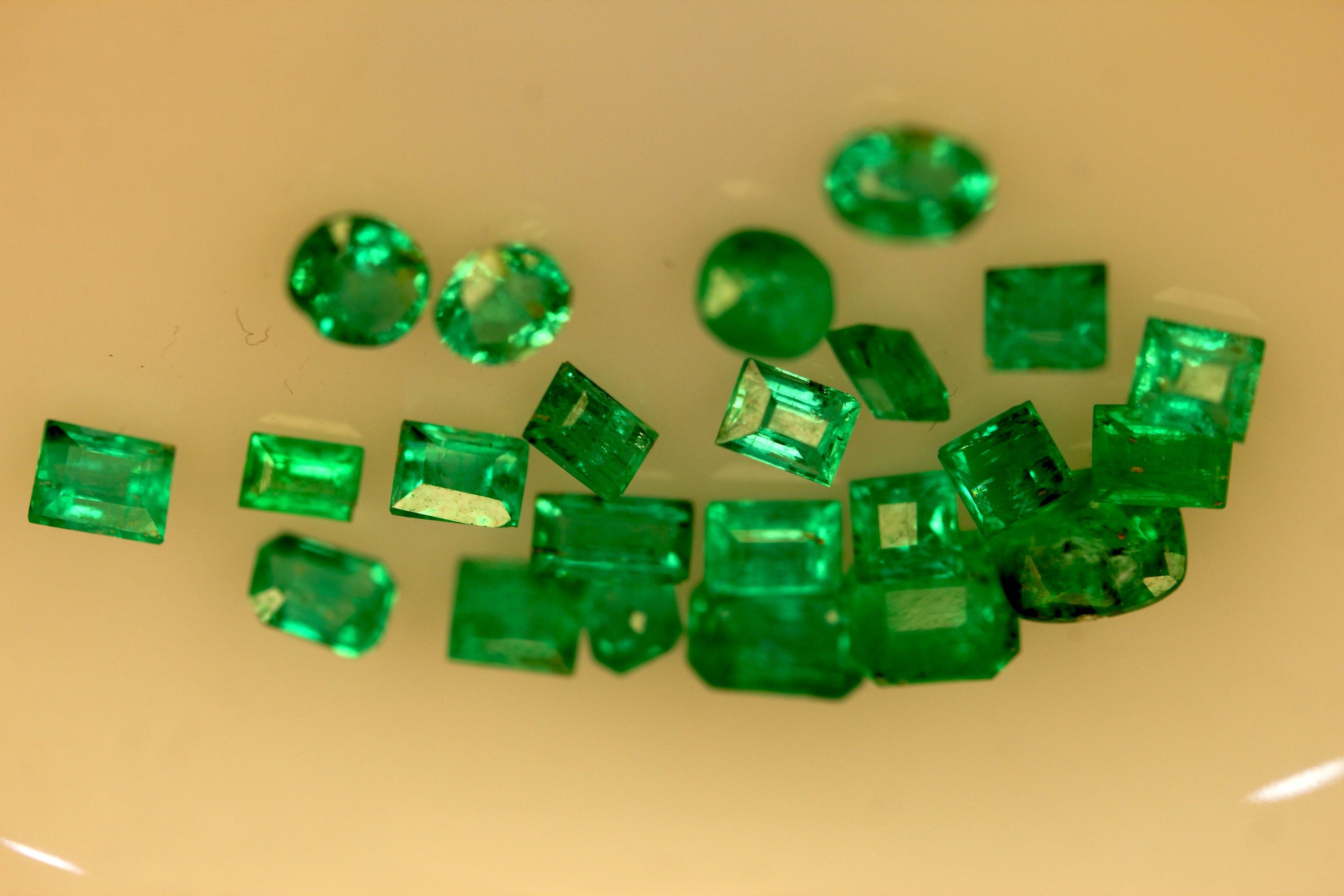
Emeralds from Swat Valley in Pakistan and the Panjshir Valley in Afghanistan sit at the center of one of the most misunderstood corners of the colored gemstone trade. The two sources share a mountainous border region, get confused constantly by buyers, and are routinely priced against Colombian emerald as if origin alone settles the question. It doesn't. Treatment history, verified grading, and supply chain transparency drive value in this market far more than the name on the label.
This guide breaks down what actually separates Swat from Panjshir, how both compare to Colombian material, and what a careful buyer should check before paying a premium for either.
Why Research and Verification Matter More Than Origin Alone
Proper due diligence in a reliable, informed circle is what ultimately determines the outcome of any emerald purchase. Investors generally look for gemstones from their preferred sourcing region, but a responsible buyer needs more than a region name — they need confidence in market value and price range, which only comes from expert verification. Finding a high-grade stone free of visible impurities is one part of that picture; quality assurance from a trusted source is the rest.
Serious buyers and investors consistently avoid stones with undisclosed tempering (treatment that hasn't been properly documented), because untracked treatment is one of the fastest ways to overpay for a stone that isn't what it claims to be.
A high-grade price depends on a high-grade, properly disclosed treatment history — origin becomes a secondary factor once treatment is accounted for. Pure, natural gemstones are treated carefully and transparently during refining. Leaning entirely on lab reports isn't the only path to understanding a stone's worth, either: the quality of Colombian material is genuinely comparable to what comes out of the more challenging supply chains of South Asia and Central Asia, and in both cases, reputation tracks the integrity of the original refining process. Buyers who understand this recommend properly refined, transparently treated stones to their own clients.
Panjshir vs. Swat: Two Distinct Sources That Get Confused Constantly
Despite sharing a mountainous border and a broadly similar geological setting, Panjshir and Swat emeralds are not interchangeable, and distinguishing between them matters for anyone buying seriously in this market. In color and overall design, emeralds from both Panjshir and Swat can genuinely surpass Colombian material — a point that shouldn't be dismissed just because Colombia has the stronger global brand.

Panjshir Emeralds
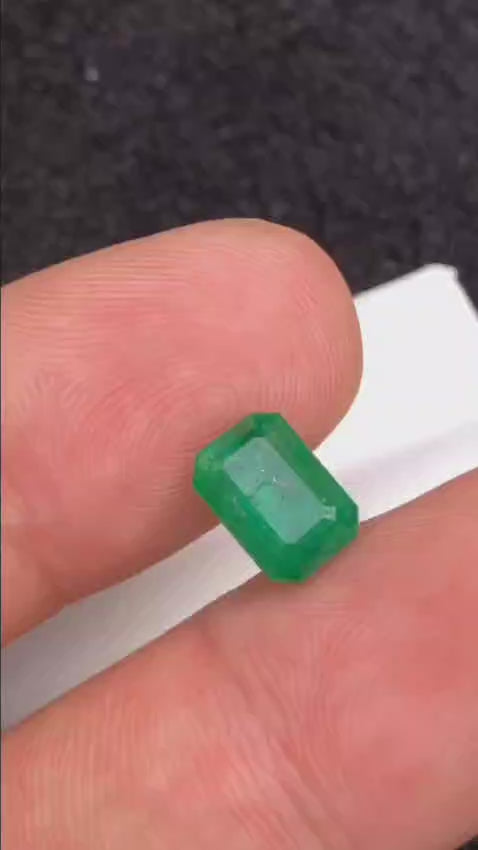
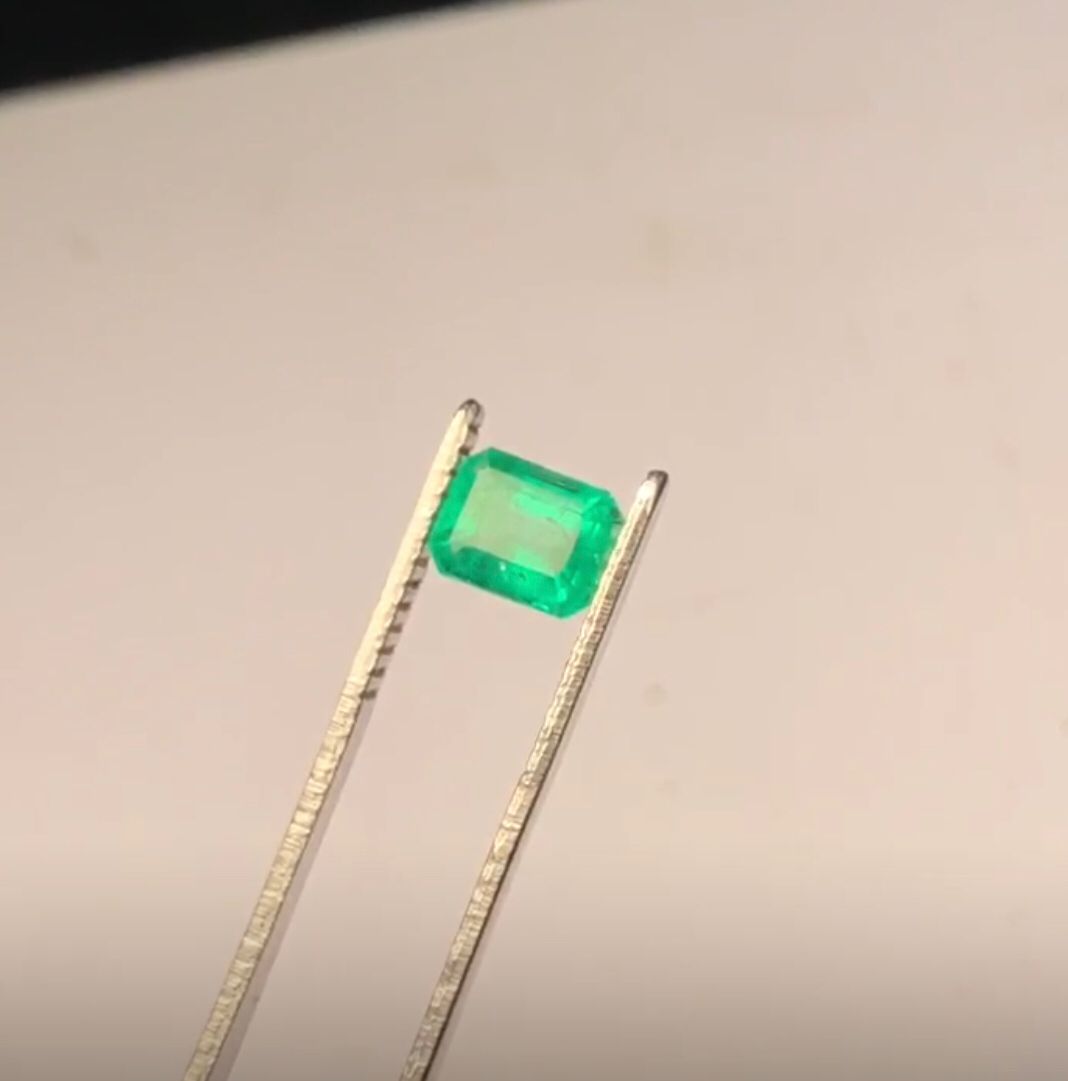
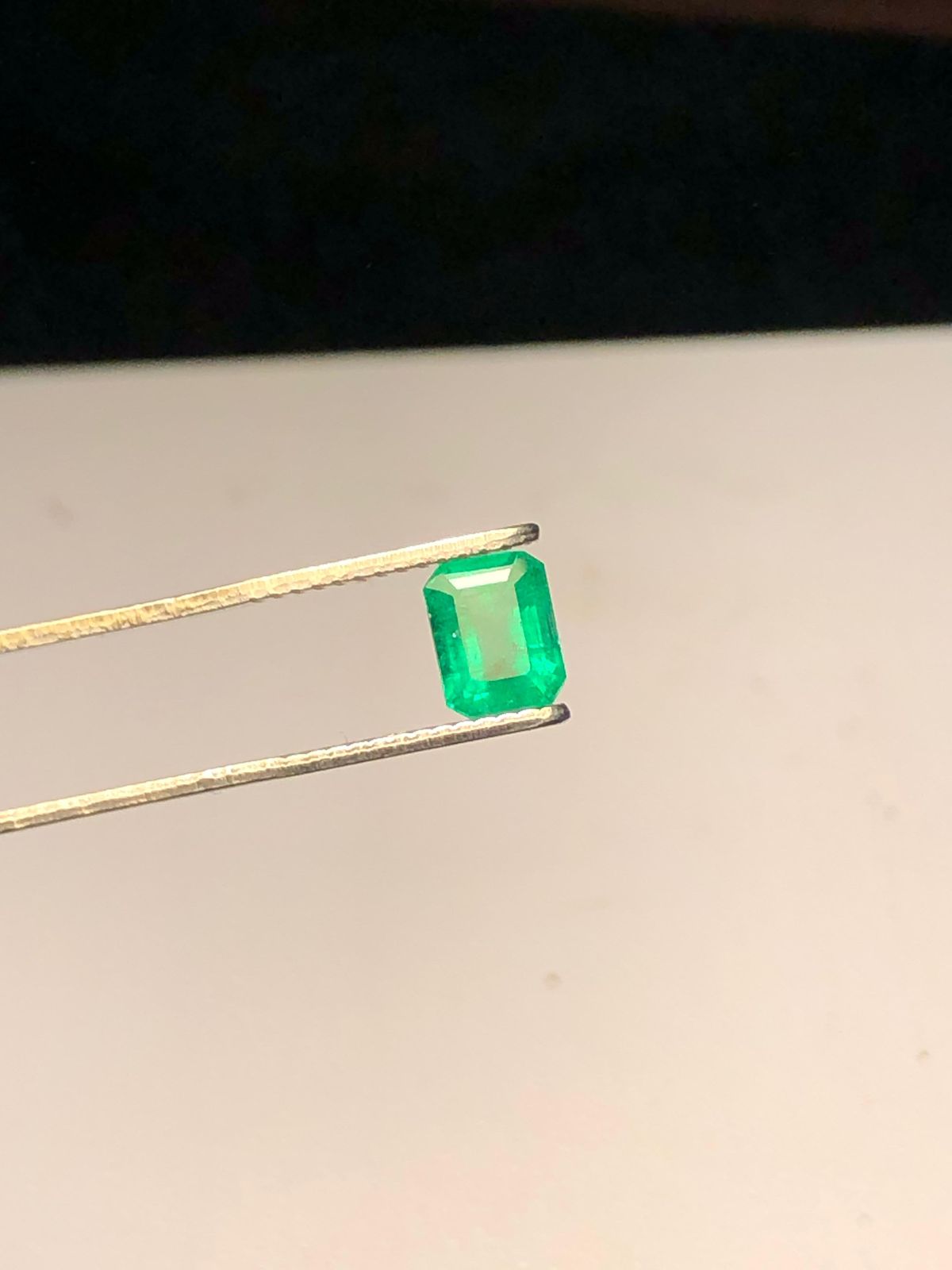
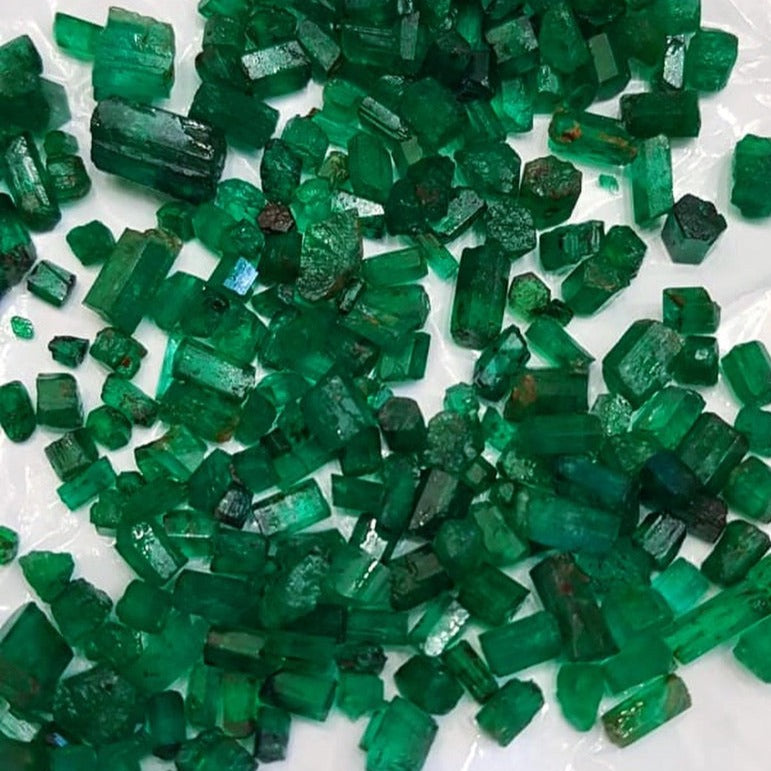
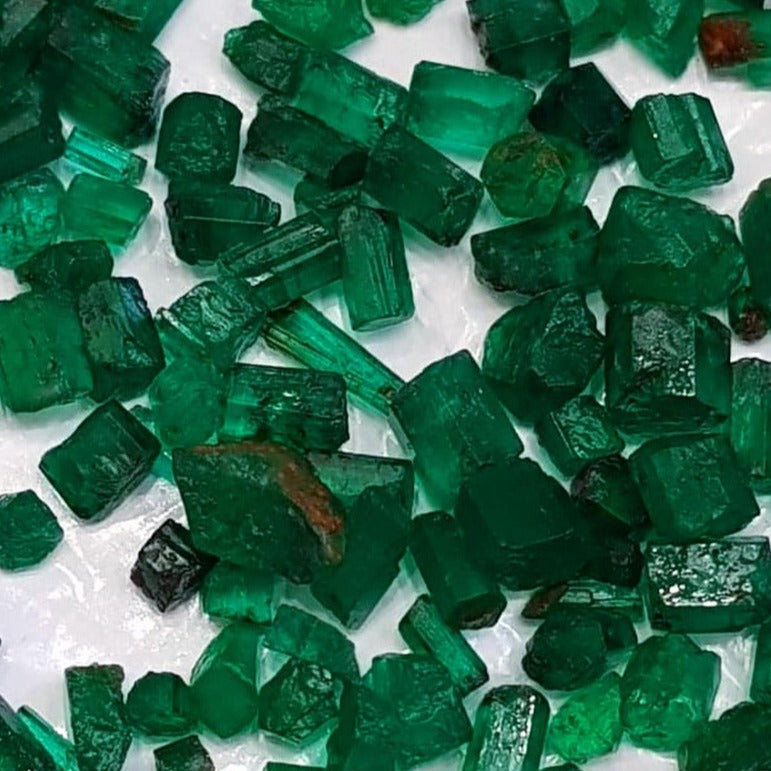
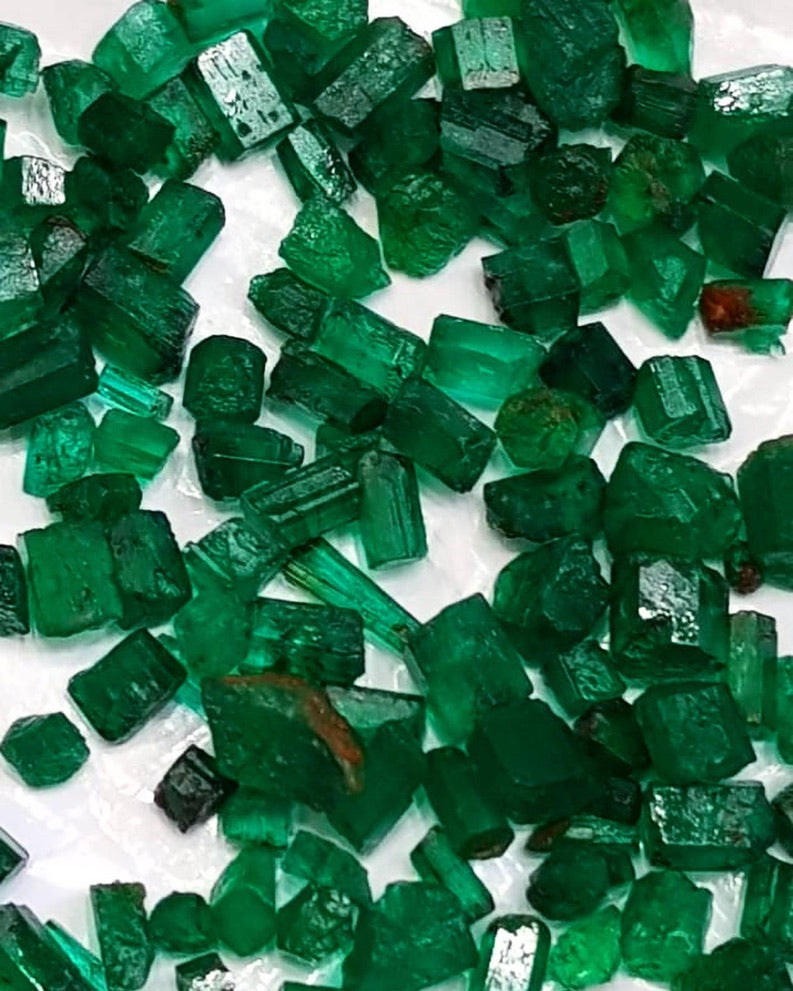
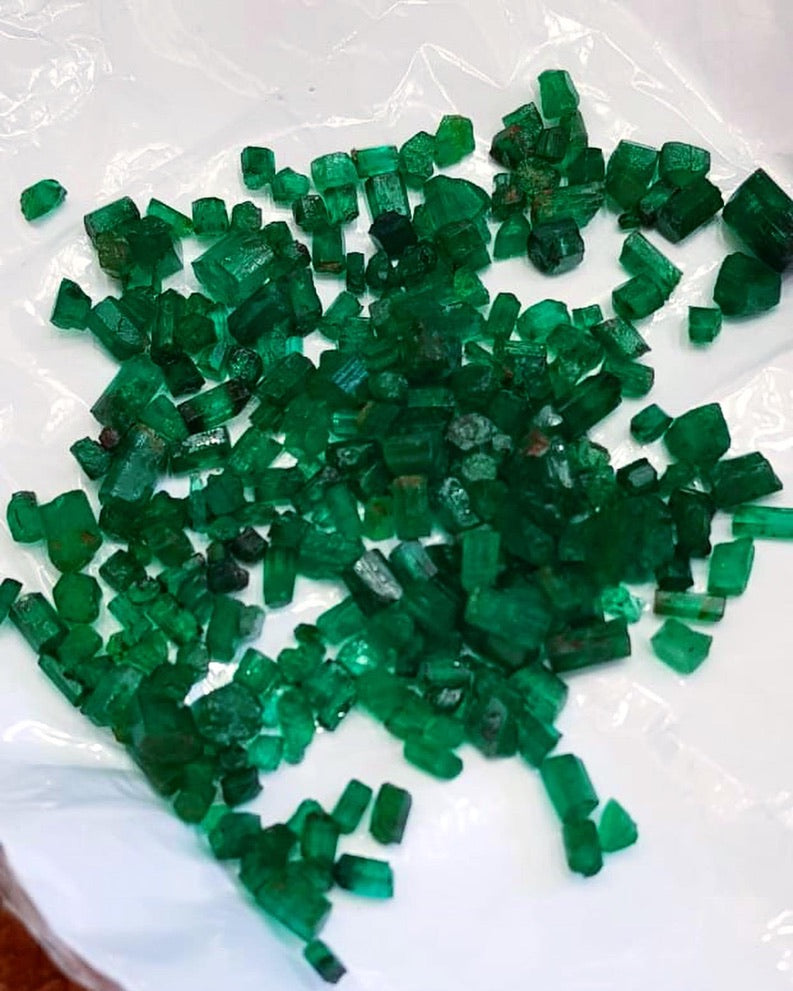
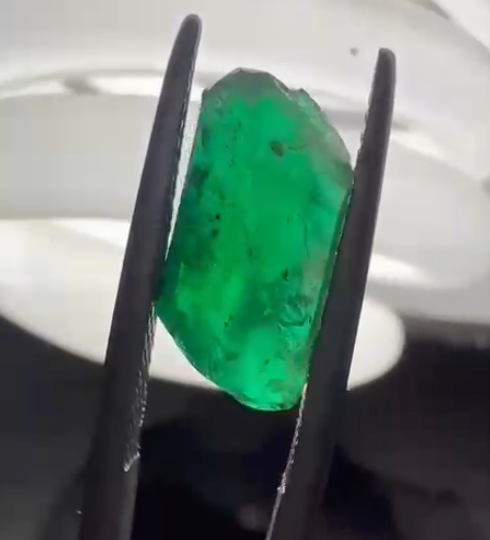
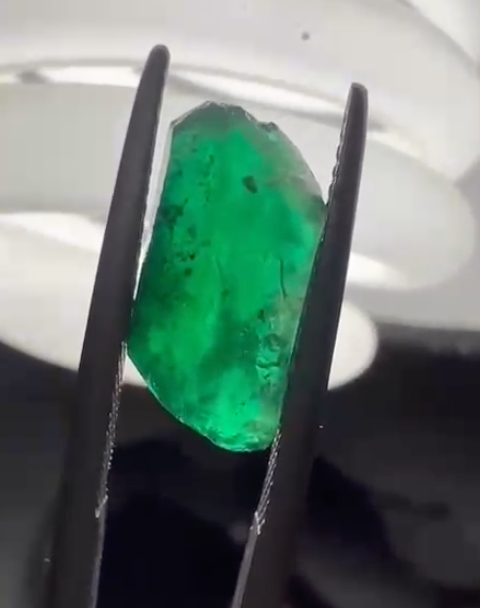
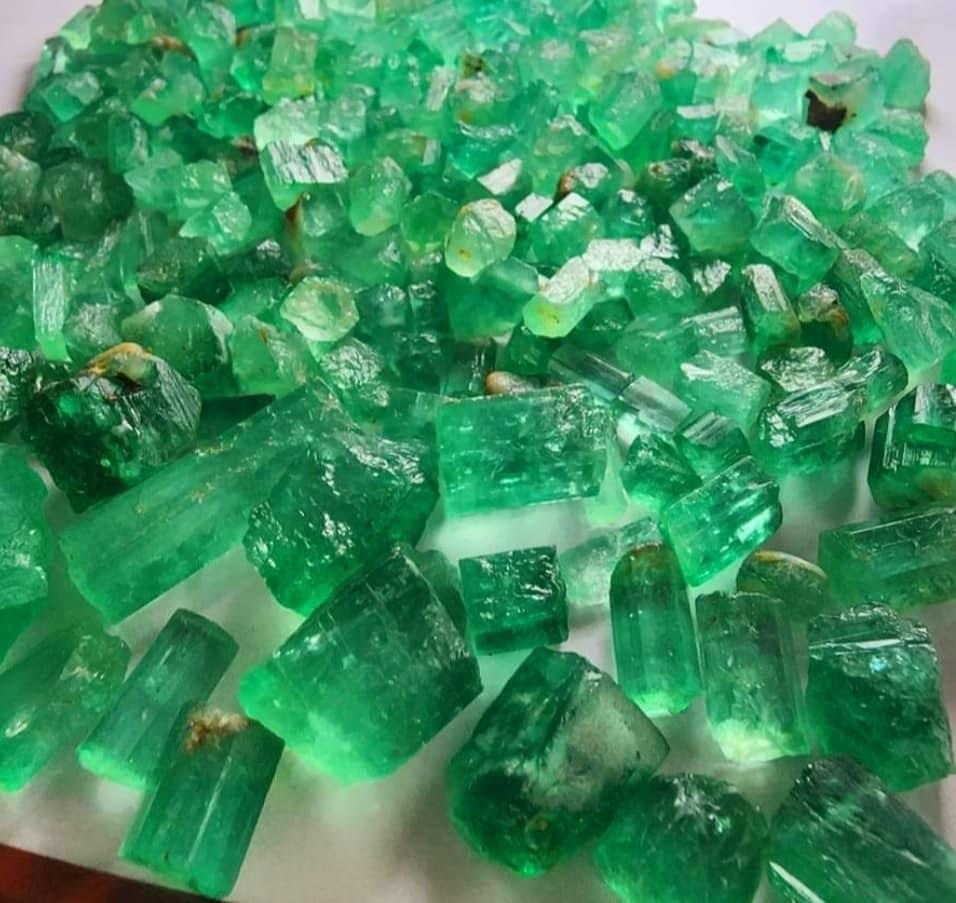
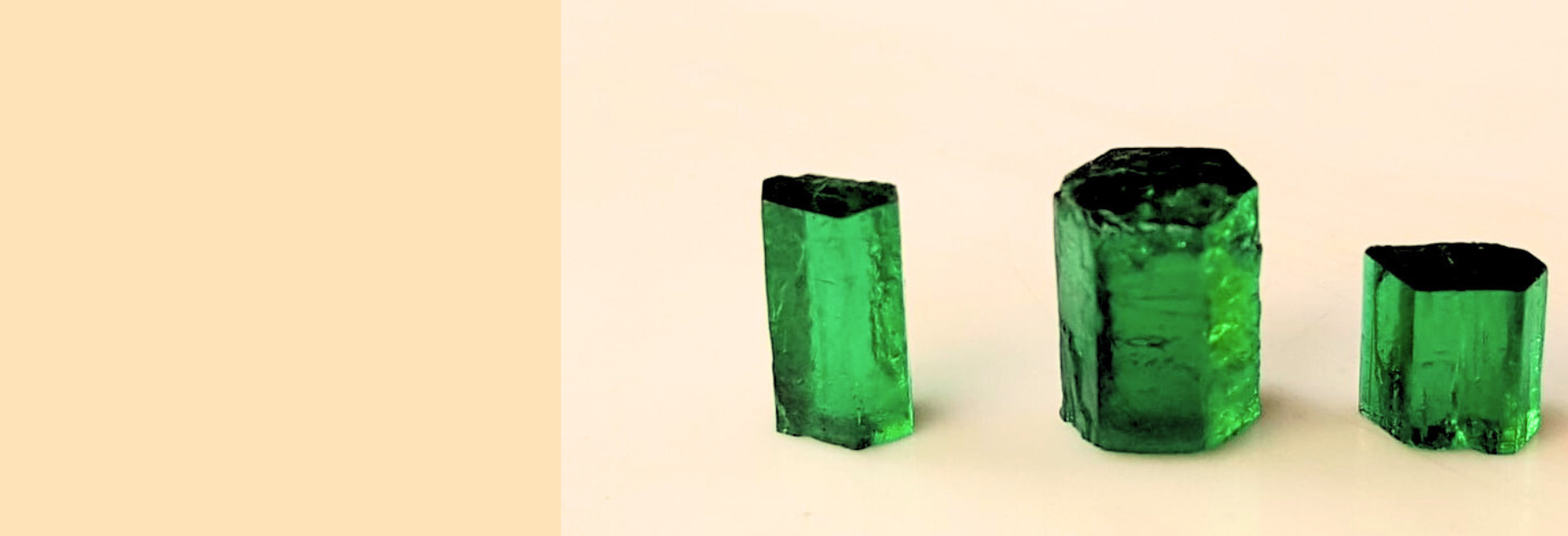
If you're comparing origins directly, it helps to view real inventory side by side. Our natural raw Panjshir emerald crystals for sale collection is sourced straight from the Panjshir Valley and is a useful reference point for the deep, saturated green this locality is known for.
How Swat and Panjshir Compare to Colombian Emeralds
Afghanistan's emerald mines have shrunk considerably compared to the large-scale commercial operations of the 1970s, which limits volume without necessarily limiting quality. That volume constraint is part of why documenting the supply chain remains one of the weakest areas in this market — a gap that most new buyers still haven't addressed.

Swat Emeralds
On value specifically, a buyer's ability to tell a fake from a genuine high-grade stone matters more here than almost anywhere else, since Afghanistan's current output is commercially limited. Resin presence found in some Afghan mining fields is generally viewed as acceptable when properly disclosed — more so, in fact, than undisclosed treatment from Colombian commercial sources. The rule of thumb holds either way: if a stone is unverified, assume the price and value claims attached to it are wrong until proven otherwise.
The Supply Chain Documentation Gap
Fact-checking before making any comparison in the gemstone market saves both time and money. Narrowing down exactly what you're trying to verify — origin, treatment, or grade — before reviewing documentation sharpens the value of that documentation considerably.
Market observers see real potential in Swat gaining credibility as a source. That credibility isn't limited to origin claims alone; it holds up under comparative analysis and formal reporting. Swat material is notably higher in manganese than Panjshir material, which is one of the clearer chemical distinctions between the two, and word-of-mouth in the trade generally holds that Swat stones are less commonly tempered than material from other sources.
How Emeralds Actually Form
Emerald forms deep underground when favorable geological conditions bring chromium and vanadium into contact with a growing beryl crystal. According to the Gemological Institute of America (GIA), the world's leading gemological research and grading authority, emerald is defined as "the green to bluish green variety of beryl" — colored specifically by the presence of chromium and/or vanadium during formation.
Samples from Colombia, Zambia, Brazil, Afghanistan, and Pakistan are all products of this same basic chemistry, so none of them is inherently "less than" the others — what changes is how favorable the local geological conditions were. Structural differences between deposits do exist, and the exact chemical balance shifts slightly the deeper you trace a stone's formation or the more closely you examine its physical properties.
Grading and Verification: Laser-Cut Analysis vs. Appearance
Refining a stone to a high-grade carat weight involves a long, exacting process — it is not as simple as it looks. In the Panjshir market specifically, buyers increasingly rely on high-resolution equipment, and laser-cut analysis is the recommended standard for grading rather than judgment based on appearance alone, which is not always reliable.
A lack of paperwork on a given stone shouldn't automatically be read as a red flag on credibility — some legitimate documentation simply doesn't capture full chemical composition data. That said, the absence of reliable data is a genuine shortcoming buyers should account for when pricing a stone.
Panjshir Emeralds: History, Color, and Market Position
Colombia has been associated with emerald production for far longer than Swat, which is comparatively new to the international gemstone business. Once that history is accounted for, laser-cut grading is the recommended method for evaluating Panjshir material, rather than appearance-based judgment alone.
Mining activity in Panjshir has reduced in scale compared to the commercialization of the 1970s, and — as noted above — documenting the supply chain remains a persistent weak point that the broader market still hasn't resolved. Knowing your supply chain is essential; a genuinely good buyer treats that knowledge as part of a stone's value. At the same time, over-emphasis on chasing only the highest grade material has contributed to over-exploitation of some deposits.
Color-based differences between Pakistani and Afghan emeralds have been verified by gemological experts. To compete in this market, miners are expected to live up to the reputation their region has built, and refining a stone correctly is a direct signal of how effective that overall production process is. Once basic facts about a stone are verified, high-grade material can be reliably separated from the rest. Experienced Panjshir buyers know the valley's signature deep green on sight, and subtle chemical differences between Pakistani and Afghan material are well documented.
Swat Emeralds: Manganese Content and Distinguishing Features
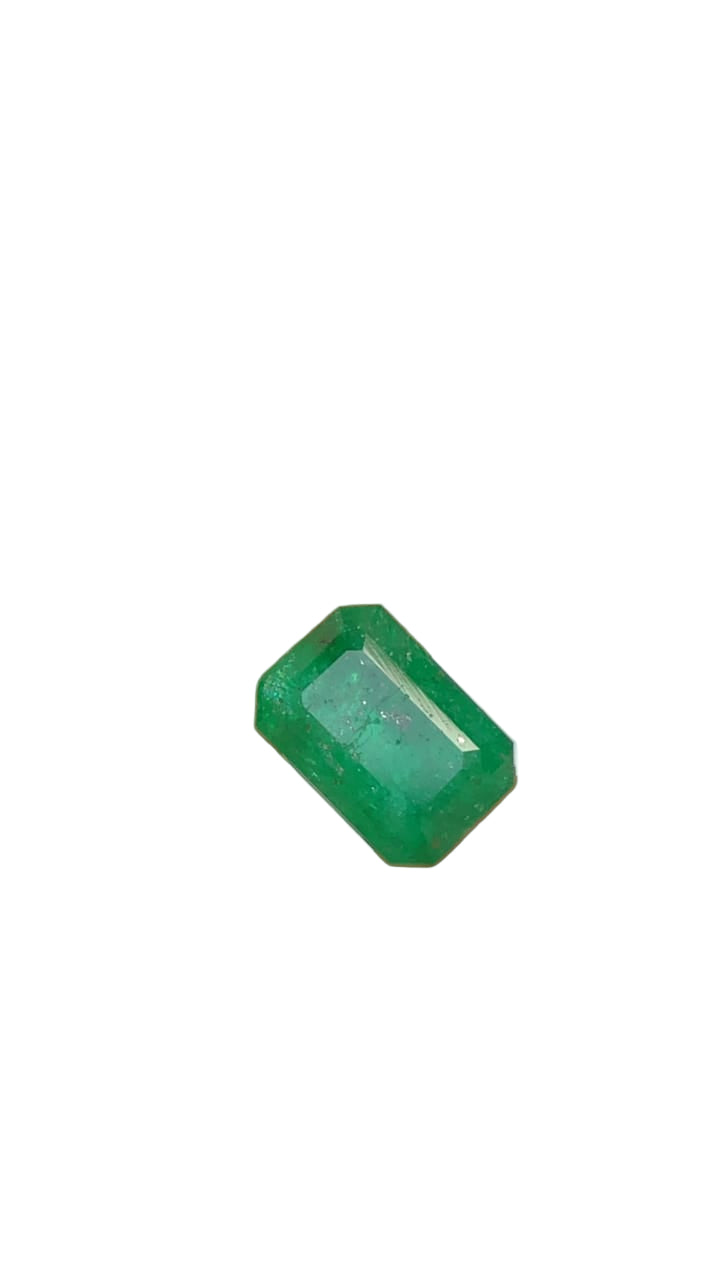
Confirming whether a stone is structurally pure is not a simple task. Emerald crystals formed underground in Swat resemble Colombian material in overall design more closely than many other sources do, while Swat material stands out for its manganese content among other trace minerals. During origin verification, proper reference guides and a qualified gemologist's opinion — treated as genuine expert advice — make a measurable difference. Reviewing documentation on a stone's formation and crystallization is what actually demonstrates how distinct Swat material is; reliable comparative analysis depends on that kind of accurate survey work, not on appearance alone. Because Swat rough already presents well, it typically needs less processing work than material from other regions. Pricing isn't just about how a stone looks, which is exactly why a degree of buyer skepticism toward unverified claims isn't unreasonable.
💎 Start Your Collection With Confidence
Add This Swat Parcel to Your Collection →Natural vs. Lab-Grown: What Buyers Should Weigh
Most buyers prioritize good grade material because maintaining refinery-level quality is their central concern. That said, some buyers prefer lab-grown emerald over naturally occurring material like Swat rough, particularly before they've done the work of confirming origin — and the right treatment process, applied transparently, is ultimately what determines a stone's value either way. Swat material has an advantage here: it is generally free from unnecessary additional refinement.
Treatment grade in a finished piece defines the value of readily available gemstones on the market today. Lab-grown material is already part of Afghanistan's broader supply chain, which is worth knowing going in. In practice, finding real value — natural or lab-grown — comes down to following reliable expert reporting and grading opinion rather than assumption.
How to Verify Before You Buy
- Confirm treatment history and disclosure, not just stated origin
- Ask for laser-cut grading data rather than relying on visual appearance alone
- Check manganese content (a Swat indicator) versus the deeper chromium/vanadium balance typical of Panjshir
- Request documentation on formation and crystallization where available
- Treat missing paperwork as a prompt for more questions, not an automatic disqualifier
- Get a second opinion from a qualified gemologist before paying an origin premium
Frequently Asked Questions
Is a Panjshir emerald more valuable than a Swat emerald?
Not automatically. Treatment disclosure, verified grading, and documentation matter more than origin name alone — a well-documented Swat stone can outvalue a poorly documented Panjshir stone of similar size and color.
What makes Swat emeralds chemically distinct?
Swat material is notably higher in manganese compared to Panjshir emerald, alongside the chromium and vanadium common to all emerald formation.
Why has Afghan emerald mining declined since the 1970s?
Panjshir mining activity has reduced significantly compared to the large-scale commercial operations of the 1970s, which limits current supply volume.
Should I trust a stone without lab paperwork?
Not automatically disqualifying, but it does shift more responsibility onto visual and laser-cut verification, plus a qualified second opinion.





0 comments