

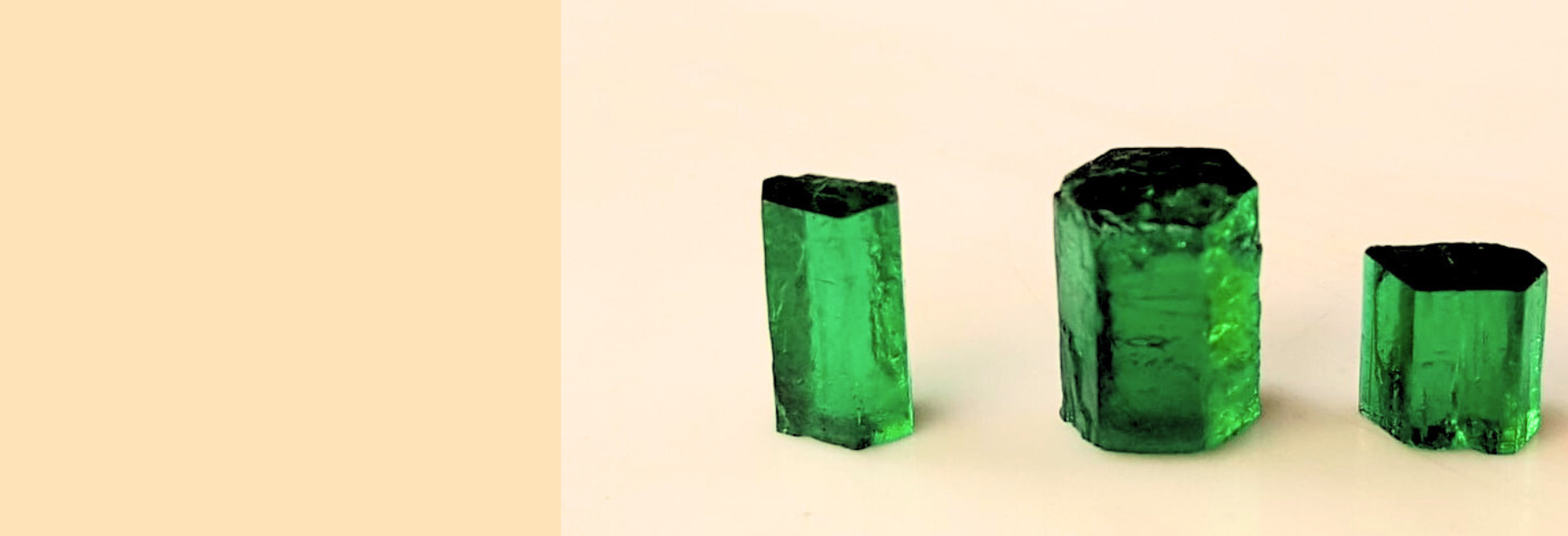
Buyers go with an unfinished emerald worn like a ring for making their look impressive. Large emerald is shown off by end users. Their size and weight are two separate points, like its weight and appearance defines its worth, while its large size is its main appeal preferred by gem stone cutters. Twenty carat is considered big or large before it goes in refinery for its finished look. Expert buyer know-how on appropriate shape is more valuable, for instance hexagonal shaped emerald requires less finishing or less work.
However, weight of a rough or less finished crystal is more misleading or deceptive later on.
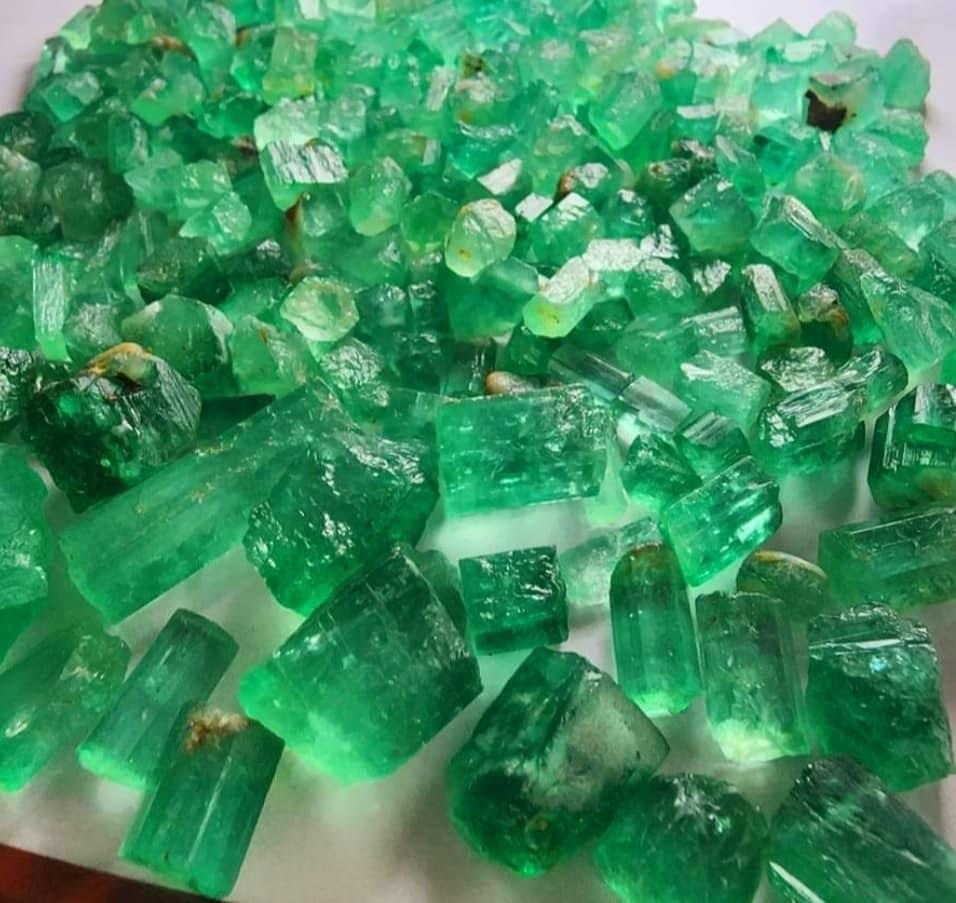
A gemstone crystal in emerald market is properly measured with a scale, like its number is close to reality, like it shows not only it weight, and price, but its value for a gem cutter. In other words, clearly stating its info proves how one crystal of emerald is cut, its worth in few cases, and how it is refined by them, like its deposit should be in appropriate size or number since they prefer 50-carat crystal in its market. A 100-carat rough emerald for cutting offers one example of material prepared for this work.

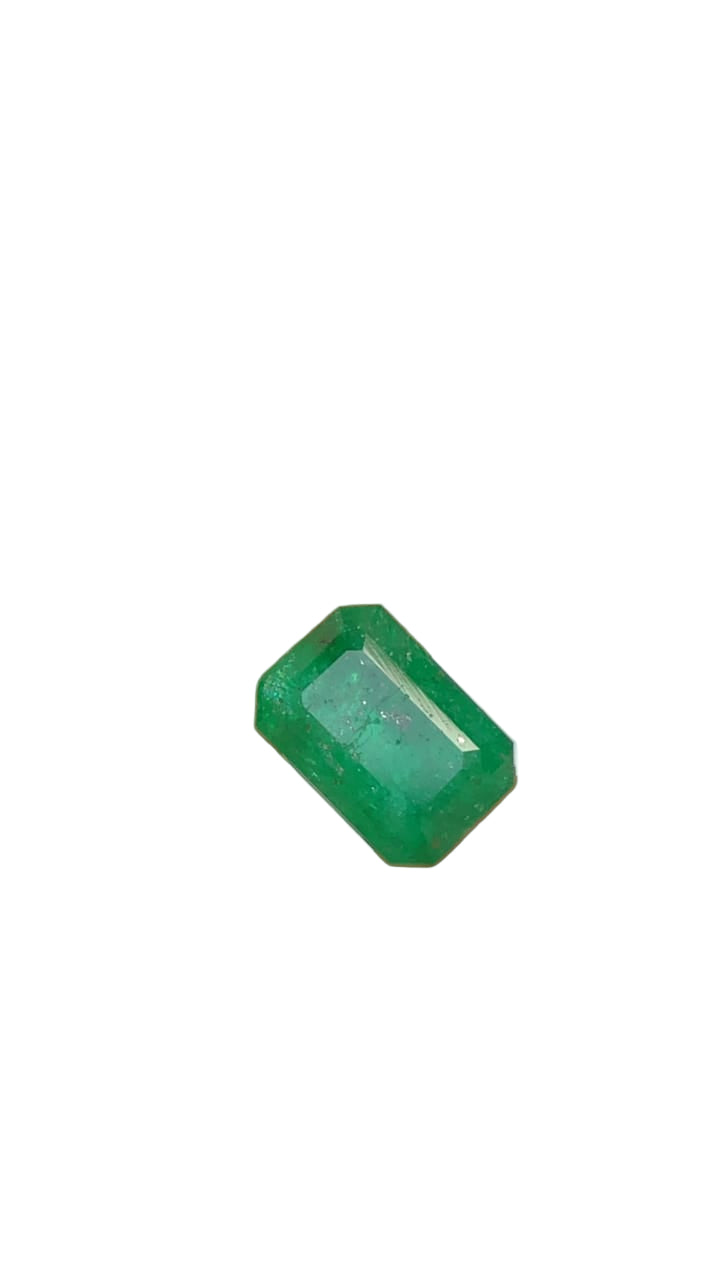
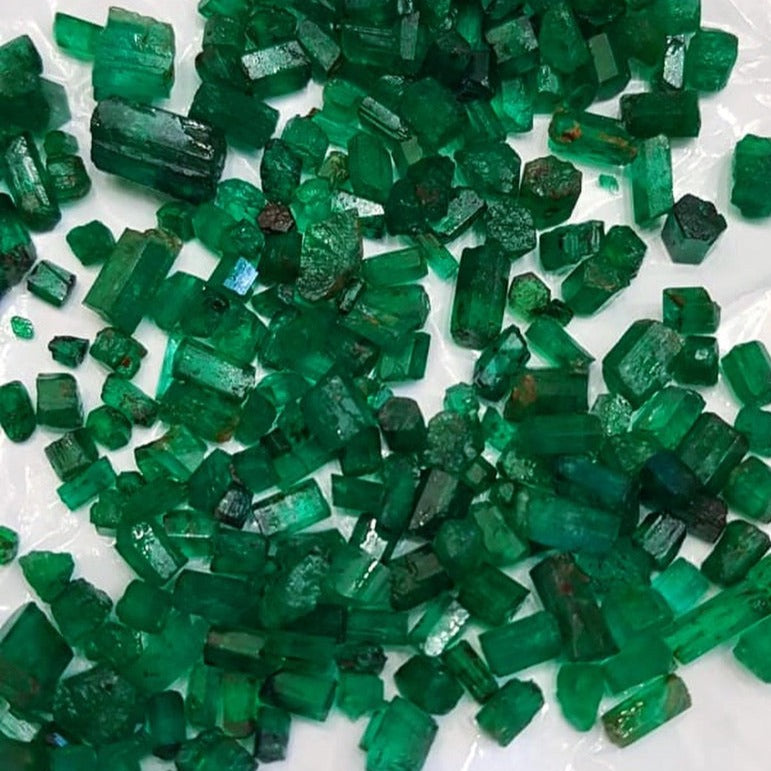
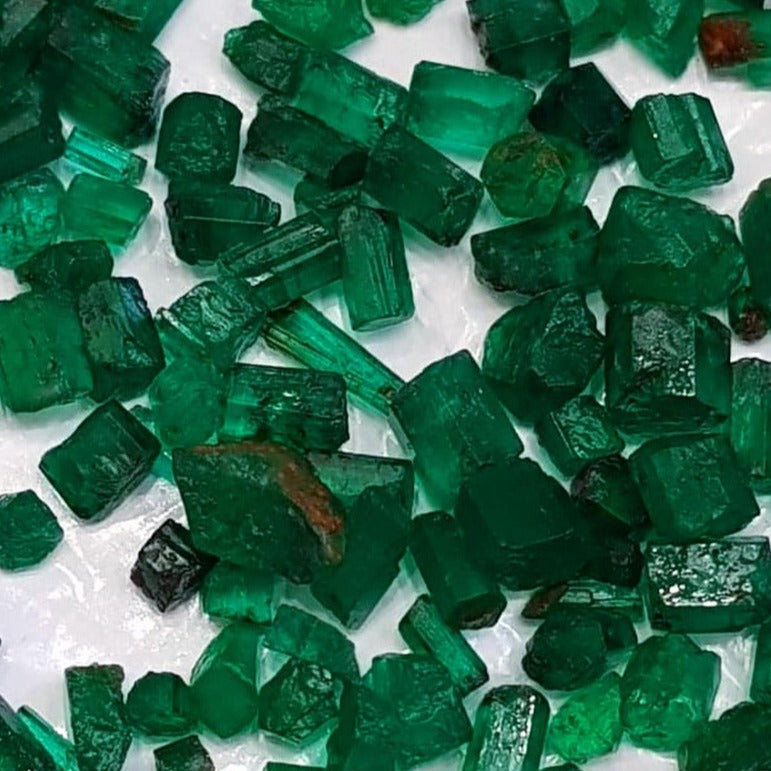
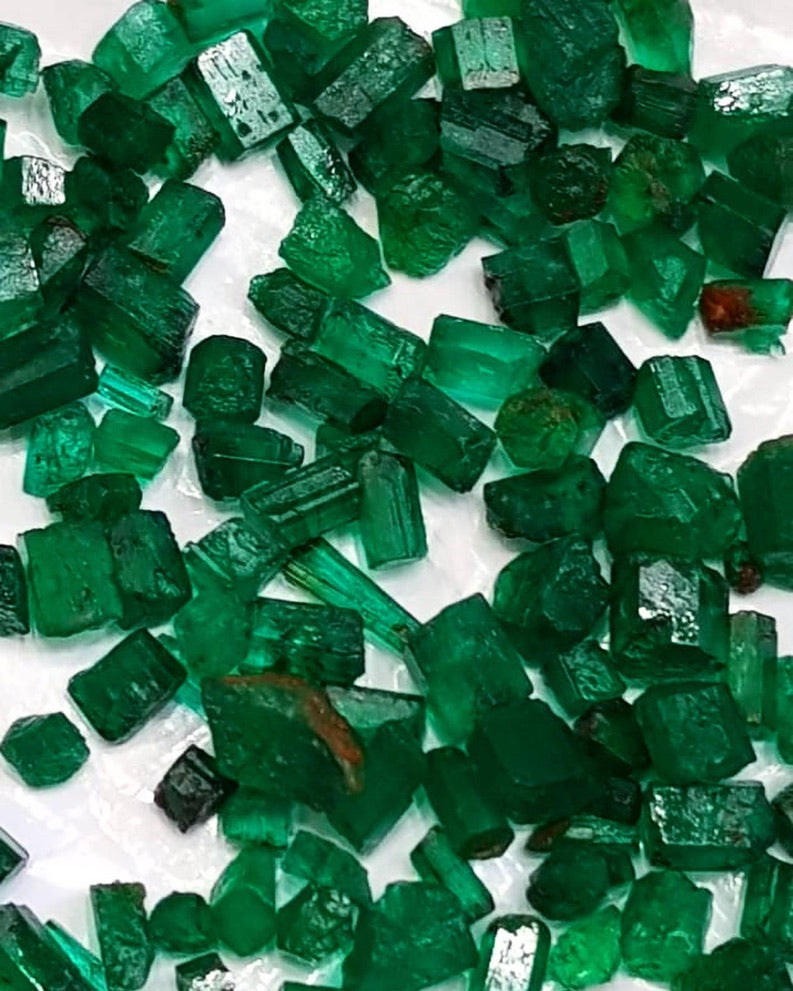
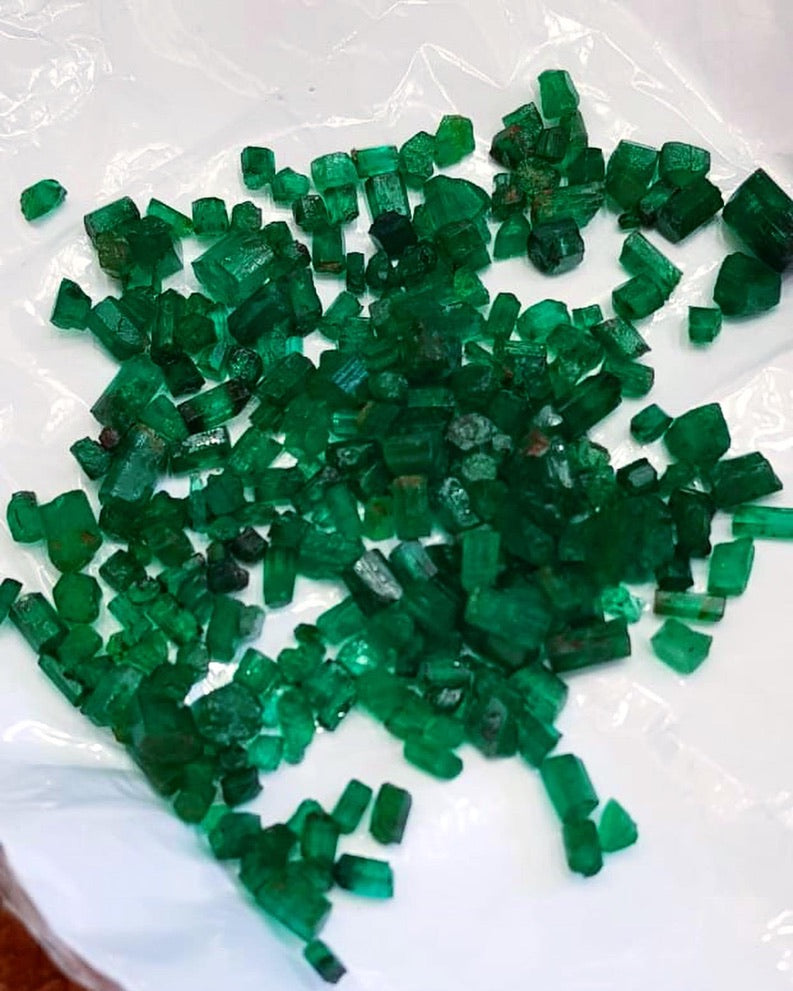
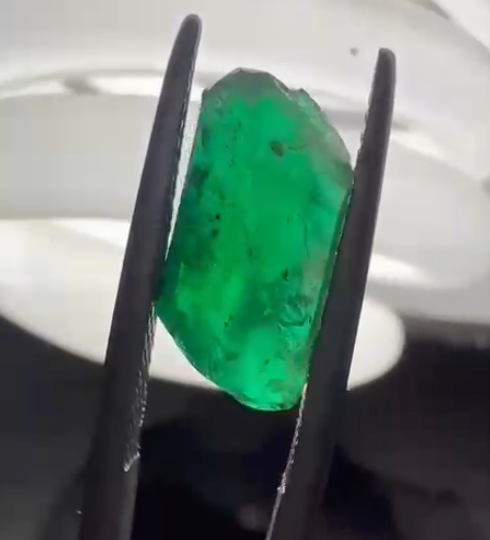
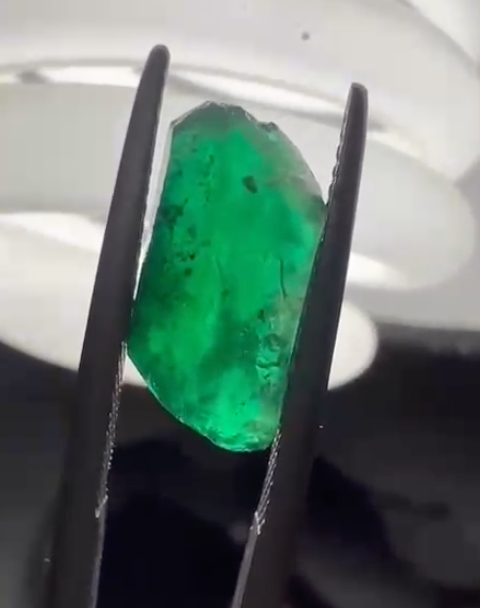
A rough emerald before cutting and finishing.
Explore emeralds at every stage
Compare natural stones by size, origin, and character in our collection of natural emeralds.
Price of a natural emerald is more than its color and size. Because its internal properties are high in value like how clear it is in appearance, how good its shape is and its colorful effect. Breaking down a crystal is done by an expert because its worth does show its character for a gemstone or emerald sellers. Shaping of crystal is therefore done by a pro aware of its obvious fracture and few inclusions. For a practical guide to these factors, read How to Grade Emerald Gemstones.
Wearable product looks appealing if it’s cutting and refining process is done appropriately. Knowledge on internal properties of one crystal is helpful especially if it is compared with another variation of it based on superficial features and attributes. Treating them well shows agreeable difference expert like to discuss and proof later on. Beautiful appearance like its color distribution is not an only factor in common, for its worth, rather its weight of two gems is another driver adding to its value and worth.

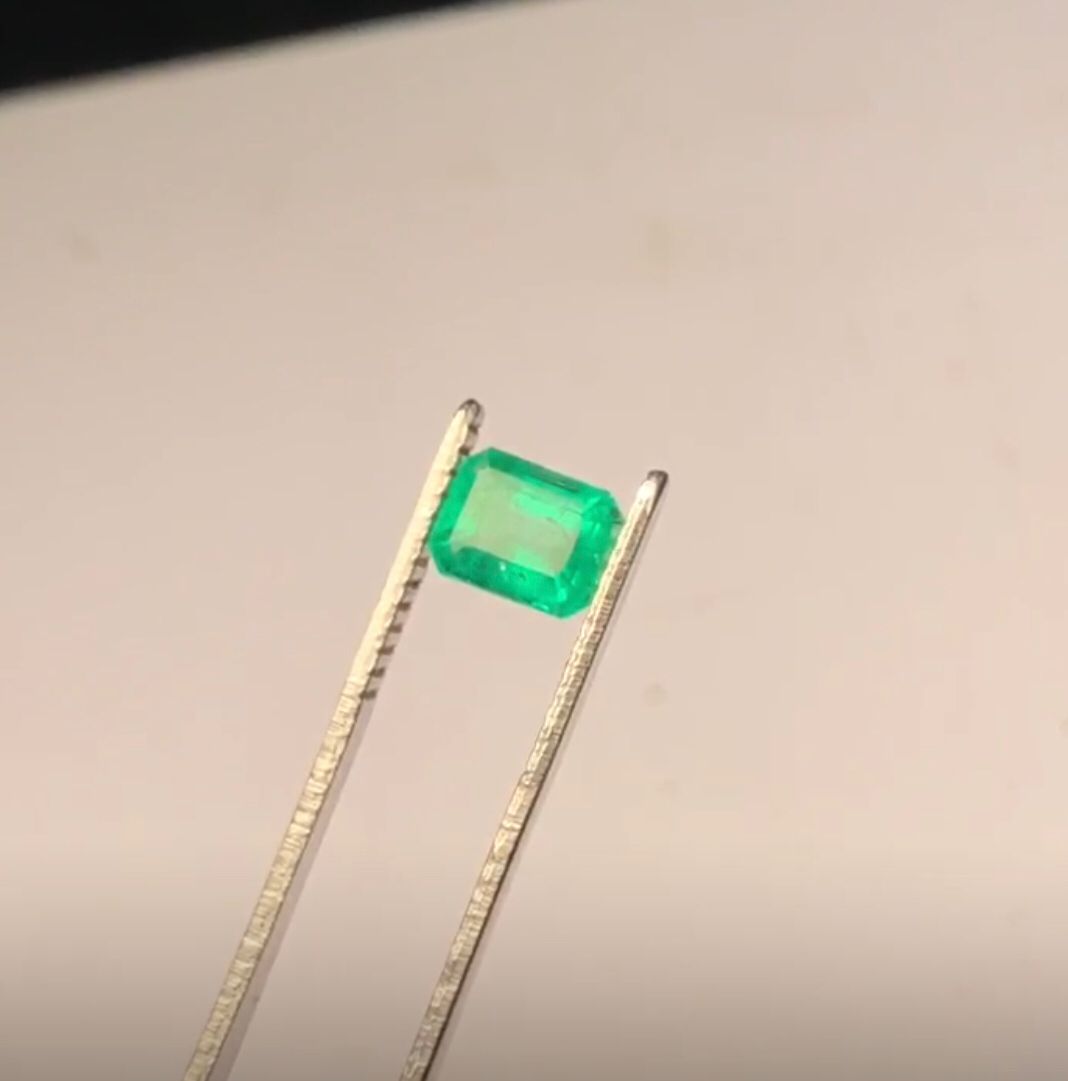
A finished emerald piece showing the effect of cut, color, and setting.
See how emerald character becomes wearable
Discover a finished piece that brings color, cut, and craftsmanship together in this certified 0.8 carat Zambian emerald ring in 18k gold.
Normally an emerald or gemstone price is driven by weight. However, when it comes to price, smaller ones are worth more than a large for its obvious appeal. Fracture of emerald is filled with unwanted material, and its saturation is another flaw people know less about. Large emerald is obviously appealing in appearance and weight. An expert determines if its weigh is in accordance with its worth. Absence of impurity and uneven color distribution present or seen in naturally occurring emerald is another concern of buyer and gemologist. Broadly speaking, a Gem cutter concerns with interplay of its shape retention, appeal, and durability.
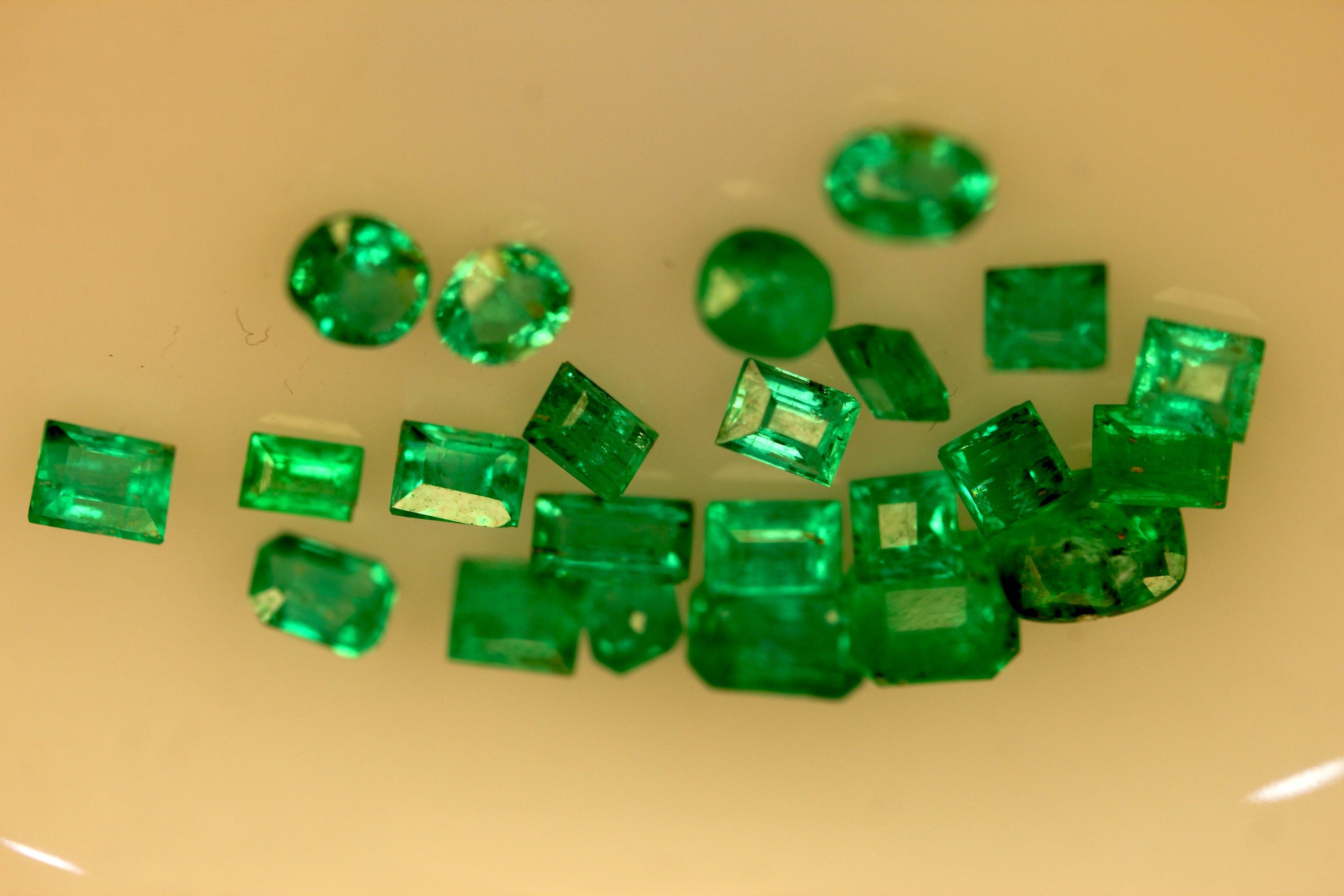
High carat weight is for well kept eyes even then it s worth remains less than small scale of emerald crystals. Over emphasis on its carat weight should not be taken lightly because it does show it like its defect, and its presentation is probably tempered for keeping it up in its value. Proper cutter finds it easy to find value of emerald while it gets refined, let alone its presentation. An 1.2 carat natural Panjshir emerald shows how cut and color can matter alongside weight.

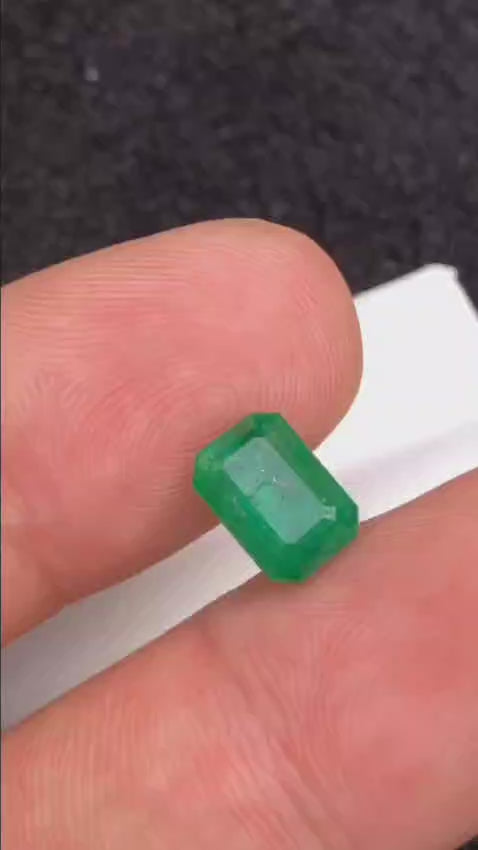
A cut Panjshir emerald showing shape and color.
While experts do their work on refining it, well informed people like buyers and sellers preserve or should preserve its design and character. Green colored emerald is not too easy to find despite stating its obvious preference and unwanted deposit. Inclusion and fracture are normal part of emerald refining at a broader level. Inclusion of green emerald is hidden underneath its green color section. Color display adds to its presentation. If you examine or judge a gem like emerald in a professionally taken photograph and its value does change its appearance.
Color and appearance
Uninformed buyers don’t get its color right, presence of impurity, and presence of false material is one flaw, In other words, intense shade of green is liked more than pale variations of same product. Fracture presence in a properly green colored does not mean over fracture lines are okay. In simple words, fractures should not be more than its filler. For a broader look at green gemstones, read Emeralds Vs. Tsavorite: Battle of the Green Gemstones.
Find a stone with its natural character intact
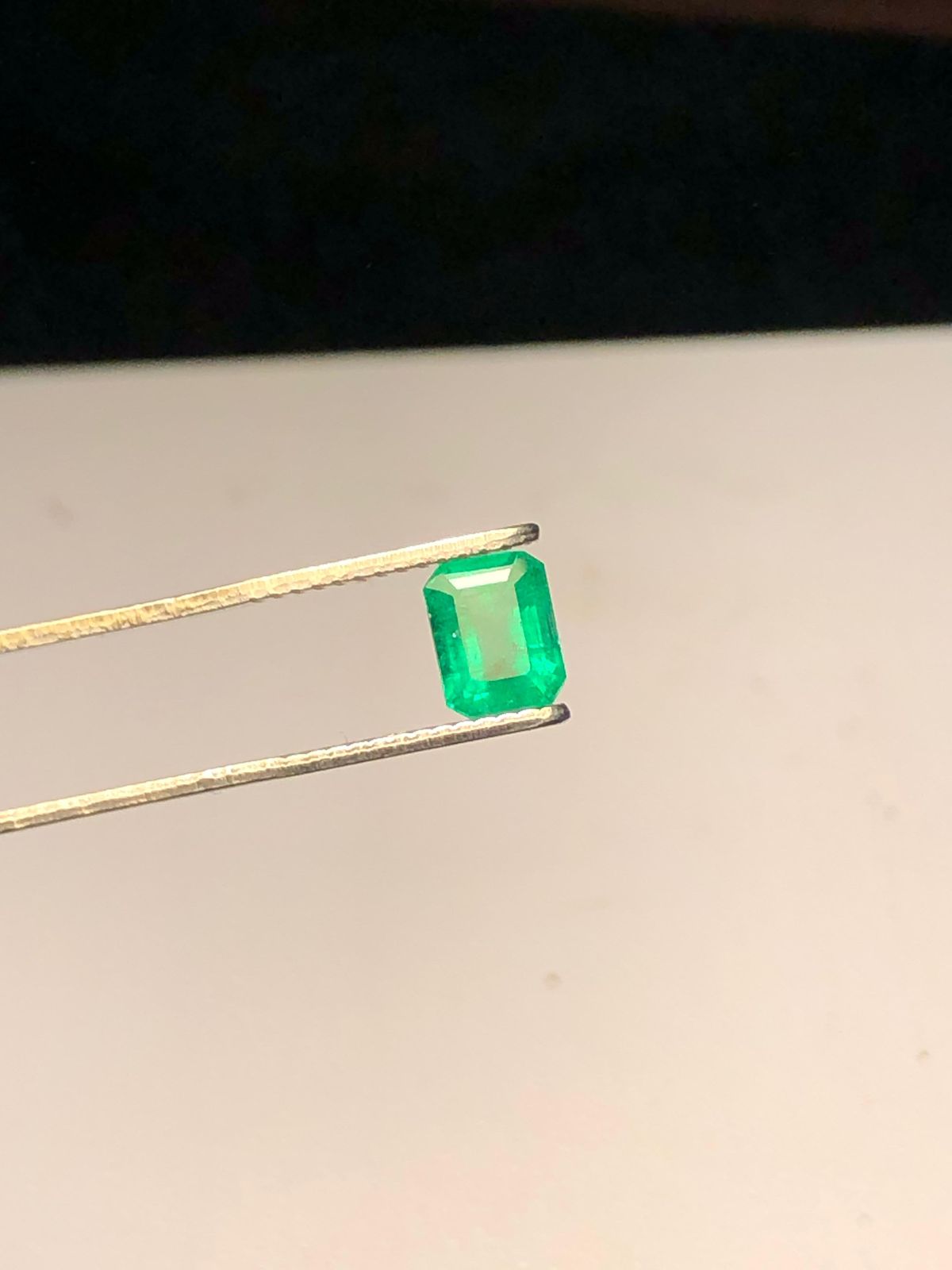
Browse loose emerald stones for color and clarity, with each stone ready for closer inspection.
Naturally rough emeralds have fracture in more than one place. A cutter finds its weight less important than its appeal. Loss of value is connected to its false comparison between its weight and appeal. If we add a cutter in its picture, they are unable to ensure if its weight is appropriate in according with its appeal. Heavy fracture does not show clearly its final shape while it gets refined or examined in a lab. Fracture helps to remove unwanted material during its finishing.
A reliable cutter is like a designer of its material. They follow a reliable method of proofing its end product. In order to save or preserve its color, a cutter does not mind undermining its weight. Similarly, they go with a new design over other properly shaped emeralds present in its market because it should eliminate over fracturing. Unwanted refining or over refining should not disturb its original design. Likewise info on its internal structure and geometry is of high value.
Go deeper into natural gemstones
Continue learning about origins, qualities, and gemstone buying with our natural gemstone learning guide.
About the author
Adnan Akram is the author of this guide to emerald refining and finishing. He writes in an accessible way about how rough emeralds are evaluated, shaped, cut, and presented, with attention to color, clarity, fracture, carat weight, and natural character.





0 comments