
Understanding Natural Emerald Color Tone and Saturation
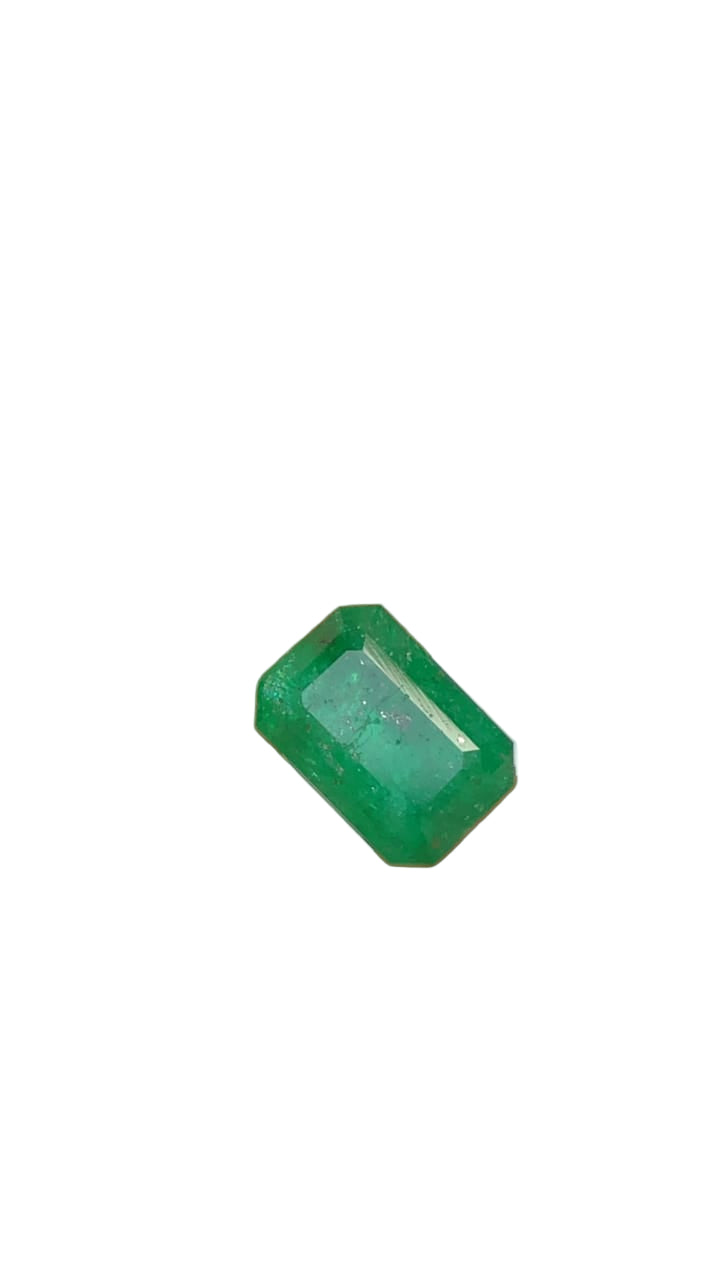
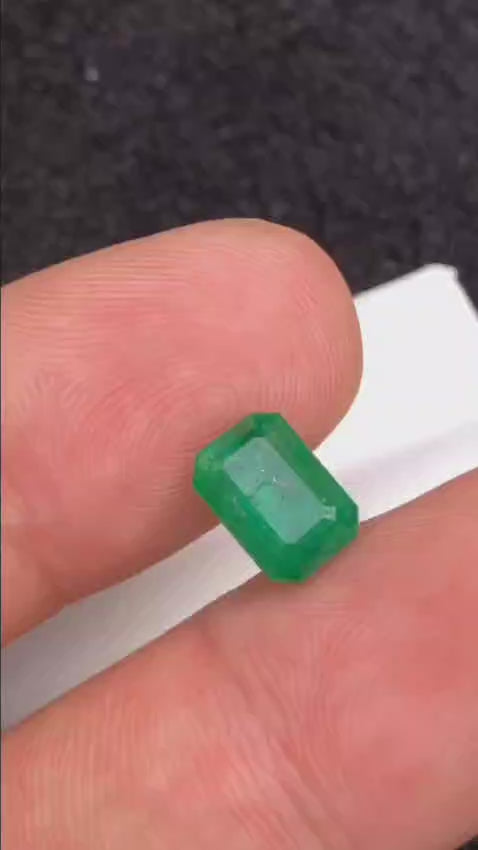
Naturally occurring green emeralds is obviously dazzling over others devoid of proper color tone and work, like other colorful options do not live up to its standard required for proofing. In simple words its condition or environment is not that proper in its hue, let alone color saturation. For some its presentation is unreliable or unnecessarily complicated.
Why Do Emeralds Pop Out Over Others?
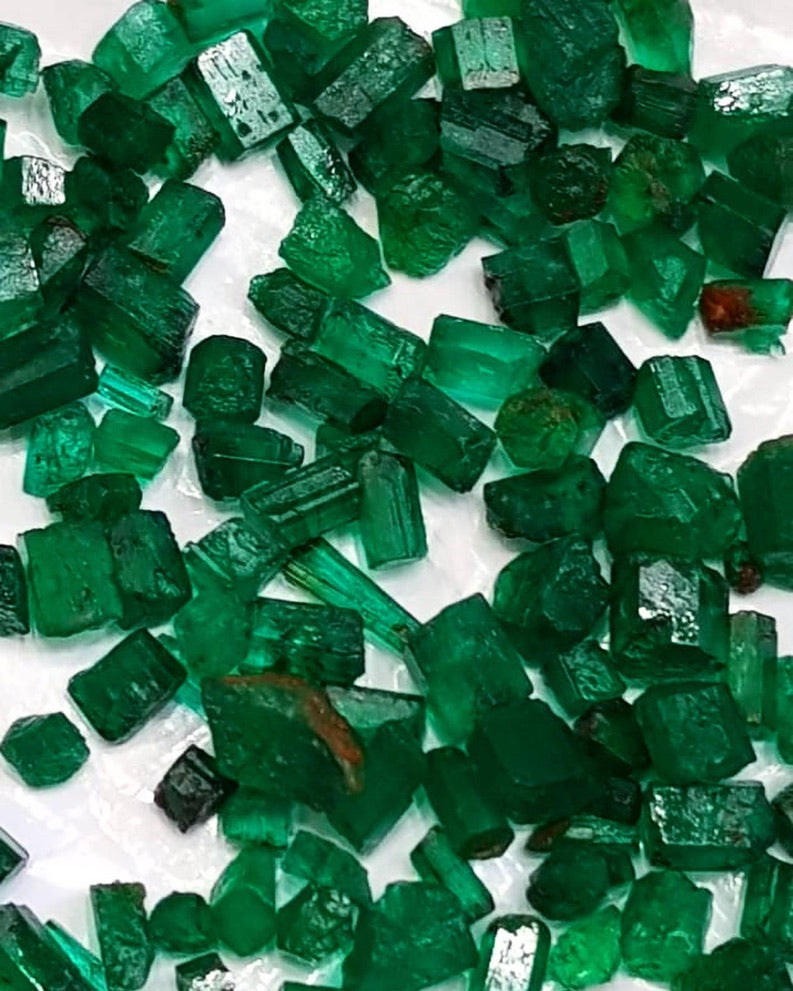
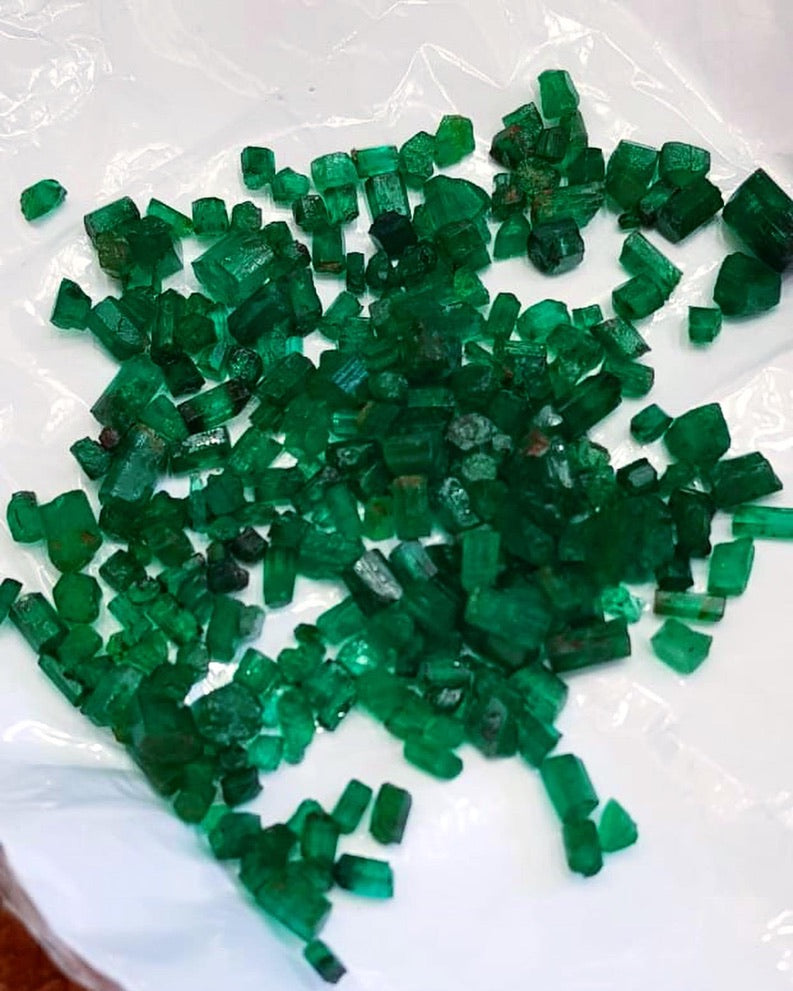
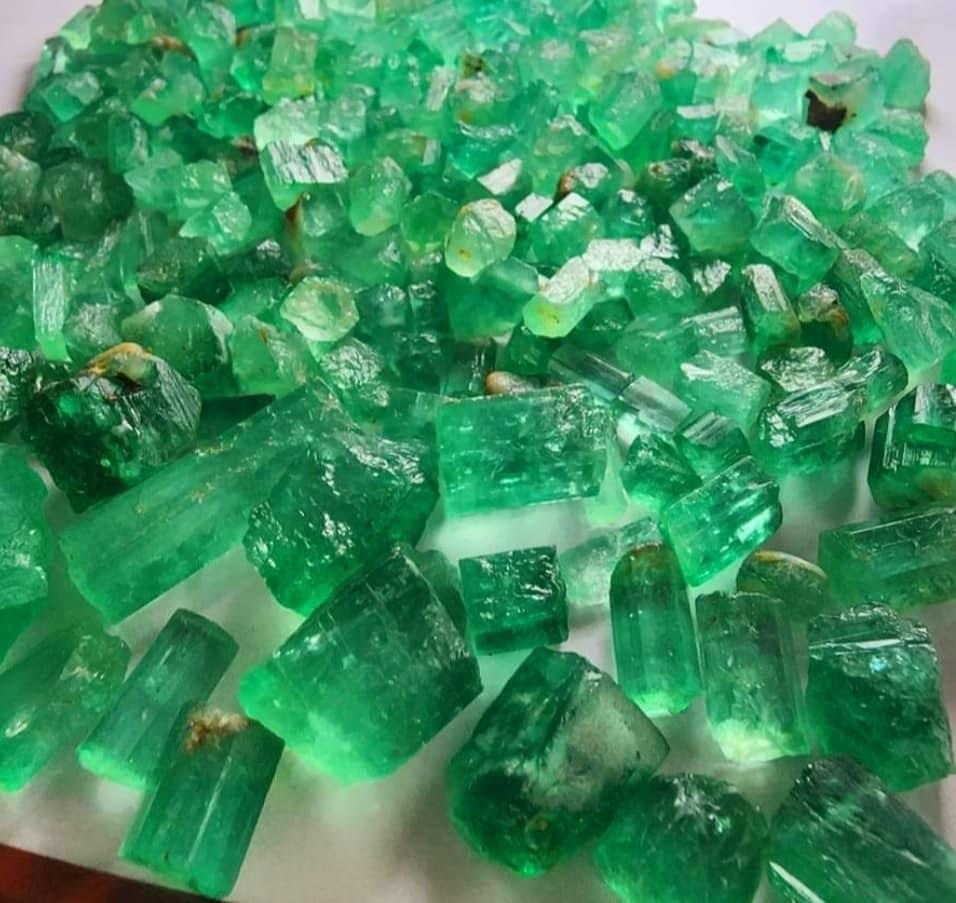
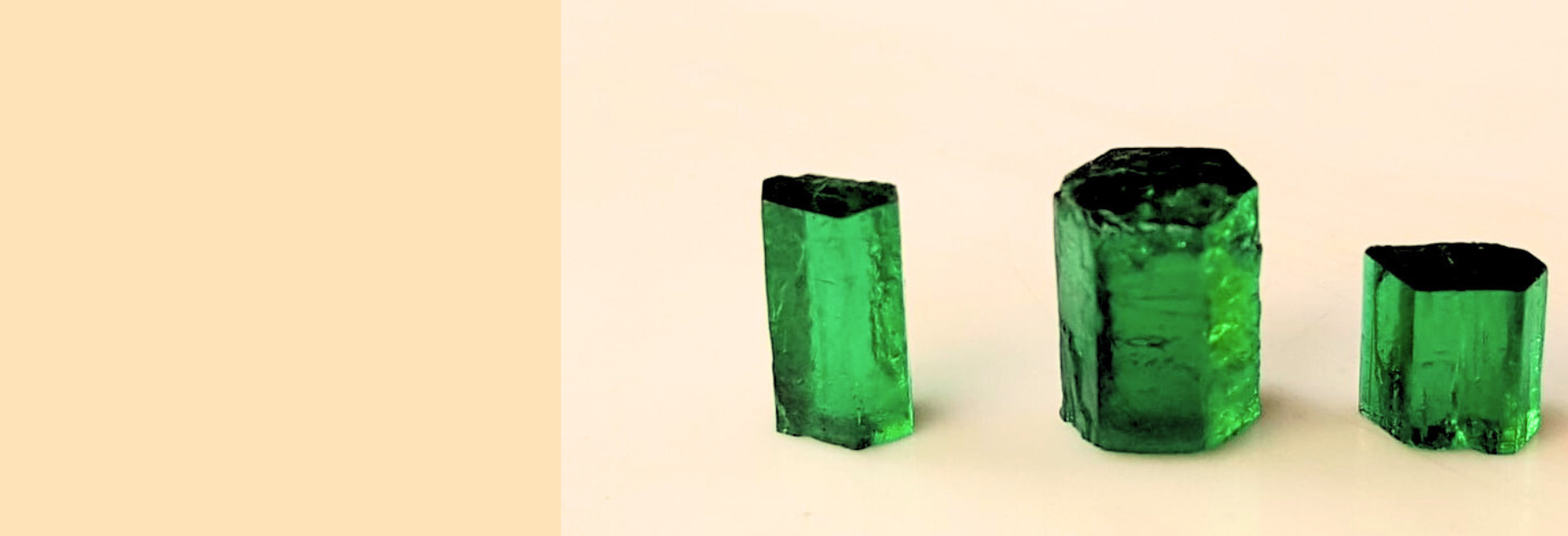
Natural Emerald Physical Traits and Crystal Formation
Natural emeralds are preferred for its inherent property, and trait over others internal structure and external structure formation

Science, Factors, and Processes Behind Colorful Emeralds
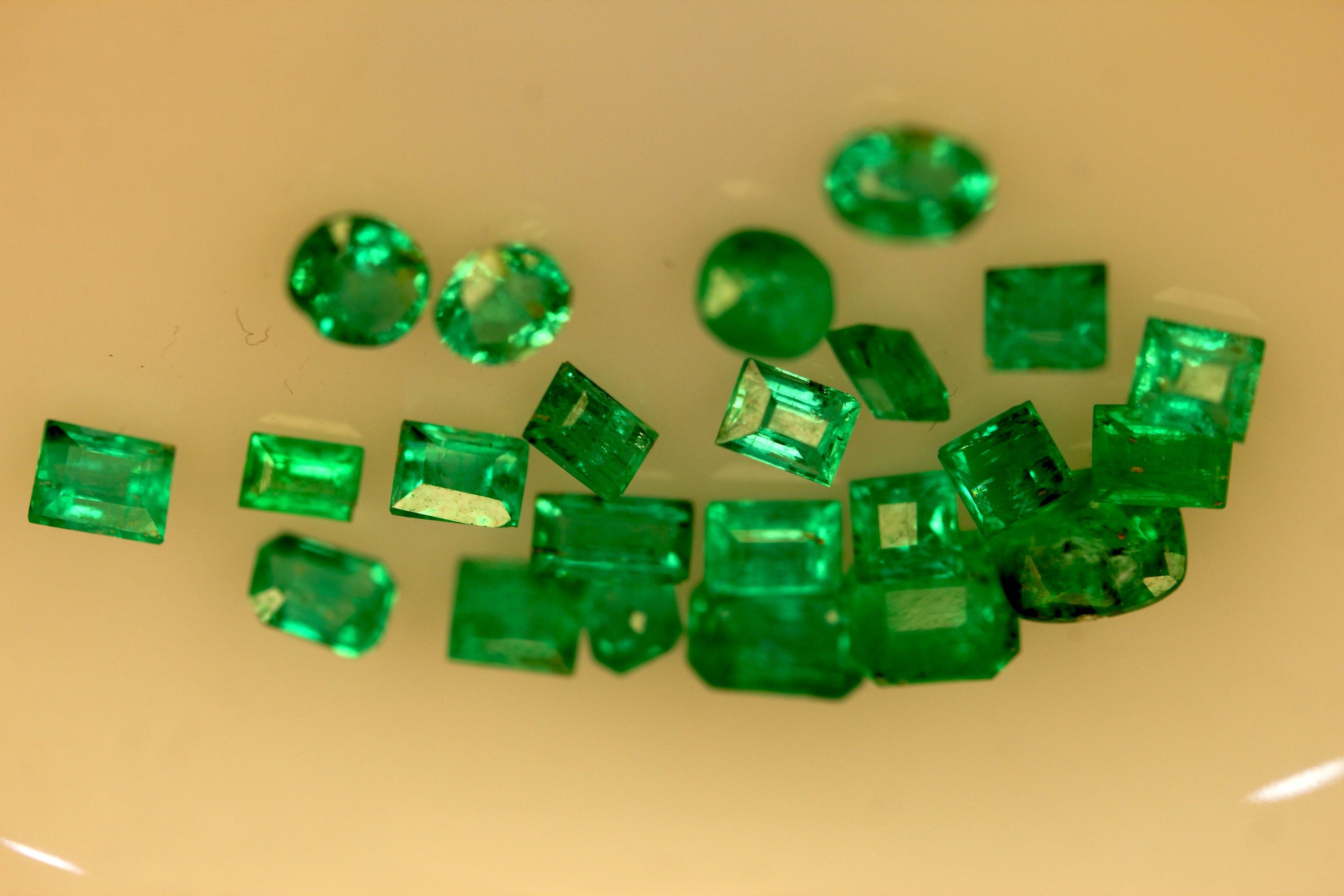
Professional cutting provides clarity required for its refinement especially if it's a rough emerald. Design proofing reflects how they are part of its refinement process. Like clarity driven options show how reflection is necessary for its proper or reliable presentation, while refinement is all about finding or keeping same wavelength of natural emerald.
Optical Glow and Market Value of Polished Emeralds
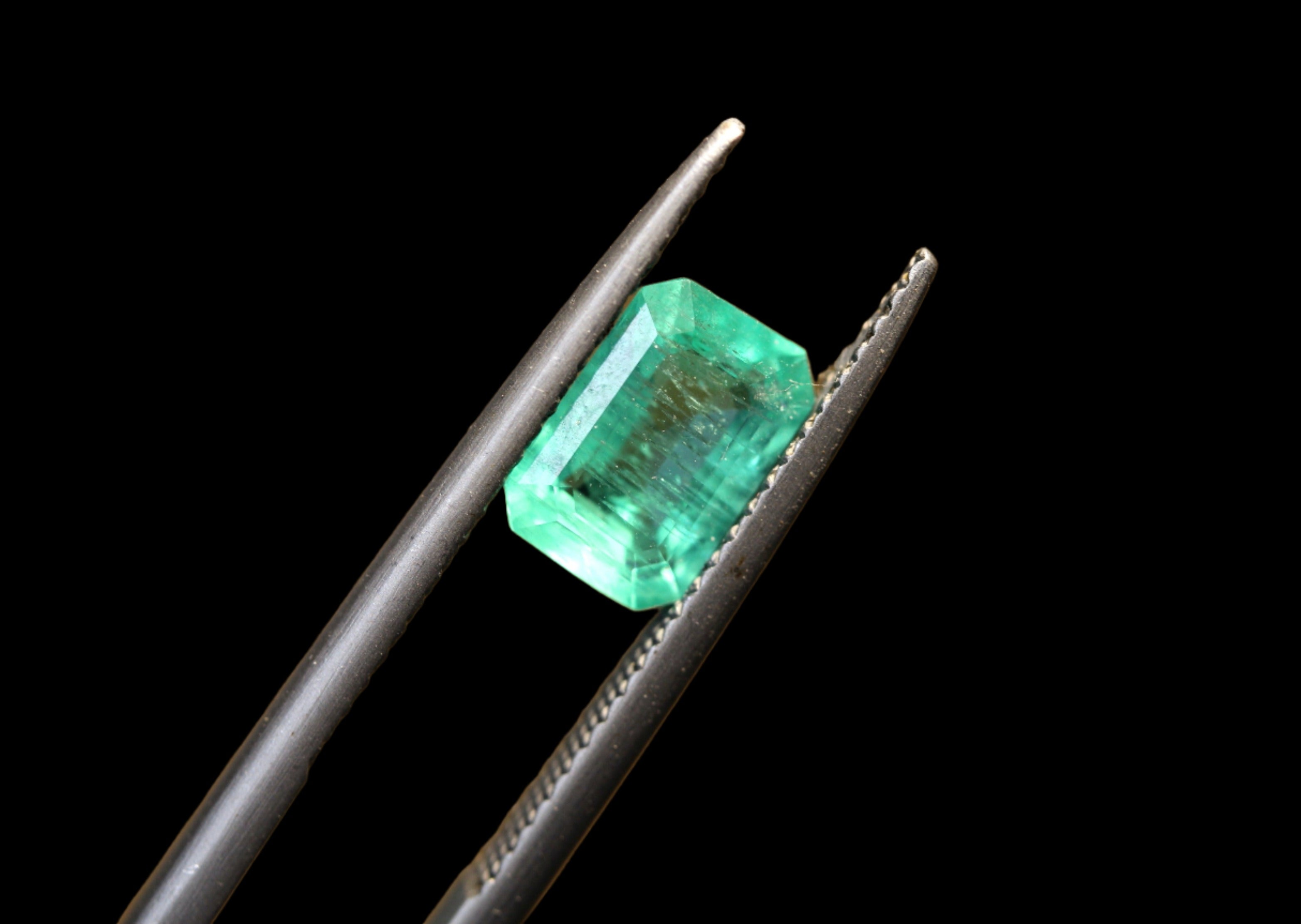
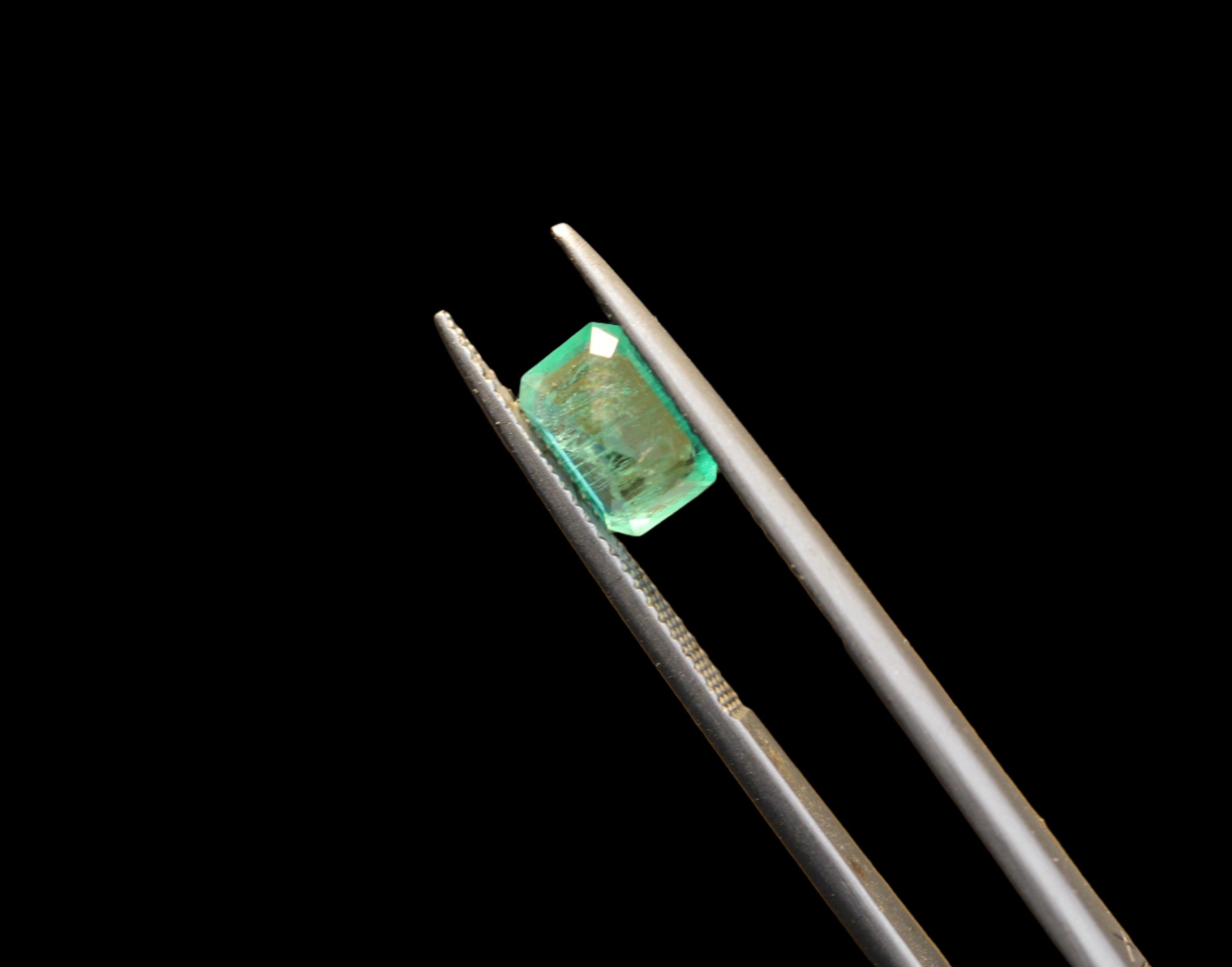
Properly reflecting light and optical glow are observed and confirmed later on by an experienced buyer, after its basic proofing is done. External look or first look of a polished emerald is not easy or inexpensive. On its green color, some of buyers and expert have an opinion like if its light green its worth goes up because it clearance is an evidence itself. Similarly dark green with blue undertone is liked over presence of dark veneer on its external structure.
Emerald Mining Research and Lab Examination of Internal Structure
Before emerald mining, proper research is conducted on its colorful appearance, minus its high prize internal structure and its effect on its outer veneer is seen, and that is how it gets absorbed in its appropriate environment that gets approved and proofed by a posh buyer. Therefore relying on lab research is not that bad. Conducting lab research on numerous colors of emerald is how a proper researcher begins its examination of properly refined emerald and other left over product.
Evaluating Light Behavior and Professional Design Proofing
Getting expert opinion on its effect determines its value or worth. Knowing how light behaves with its crystal or on it's properly cut internal design is not enough. Break down of significant info provided to proper buyer is required in a professional environment, before it gets confirmed and polished in its proper condition and environment. As documented in gemological research by the Gemological Institute of America (GIA) Emerald Quality Factors, evaluating hue, tone, and saturation is vital to understanding a gemstone's market grade.
Factors Defining High-Grade Natural Emerald Gemstones
Showcase of an appropriate end product is necessary after it's polish, and providing proper attention shows how much it is for. A professional design shows how it looks highly valuable or what its worth is like in its design that is properly proofed. In short more than one factor defines how it works and how it's specific pattern is like another factor making a natural emerald high grade.
Internal Geometry and Natural Light Exposure
Presence of light or right kind of exposure in its natural light shows less on its internal structure or geometry, therefore if a professional proofs its internal design over having a superficial look, its designer and buyers get to witness its refinement process afterward.
Refinement Stages: Proofing, Tracing, and Cutting in the Emerald Market
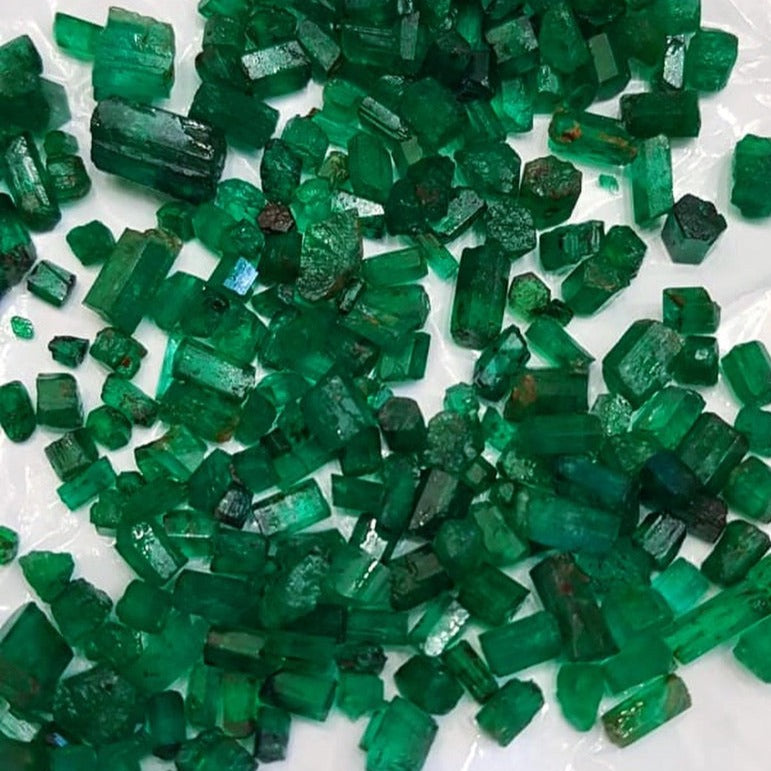
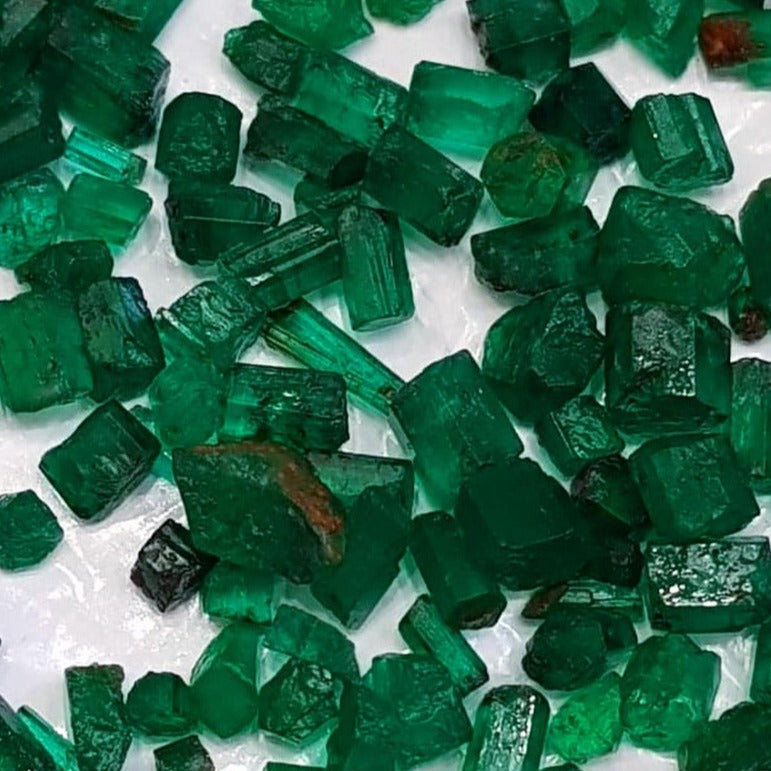
Light reflecting property of natural emerald is obviously high over rough one devoid of proper attention and its complete refinement is done in various stages of proofing, tracing, and cutting. Designer approved cutting is another feature of high quality emerald over others. Proofing is kind of a part of refinement process in addition to differentiating other colorful options provided to experienced buyer and other available options in its emerald market.

Color Distribution and Dark Undertone Value Factors
Drawing a distinct line on its main feature involves research on internal and external factors. For some knowing outer appearance like its impressive color is high, while knowing how an emerald absorbs light has a lot to do with color distribution, and its effect on a good quality emerald's internal structure. In easy words, emeralds with dark undertone are valuable over others. Like some pieces of emerald reflects light green color well over dominating dark color hue and tone of prominent emerald end product.
Emerald Glow Optical Wavelengths and Color Saturation Balance
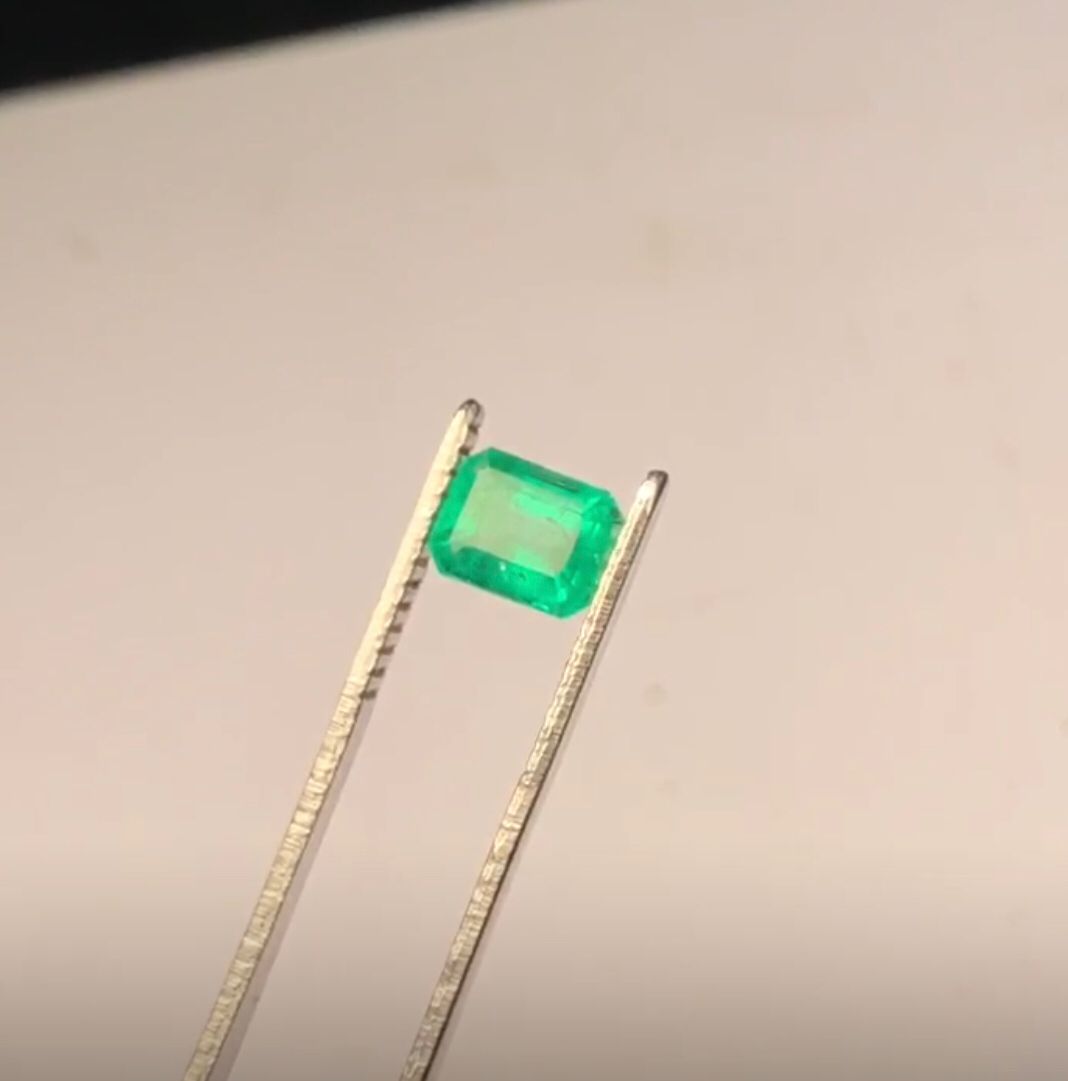
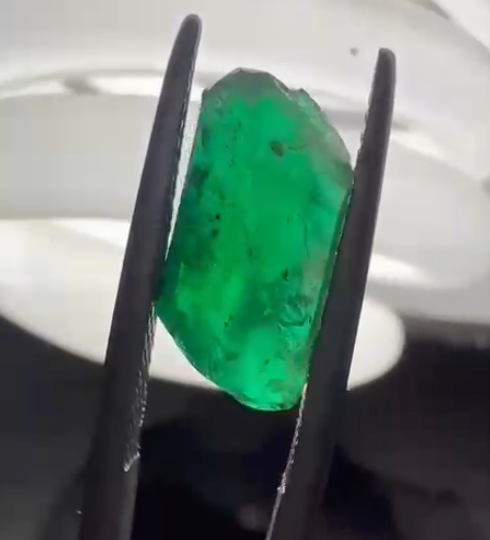
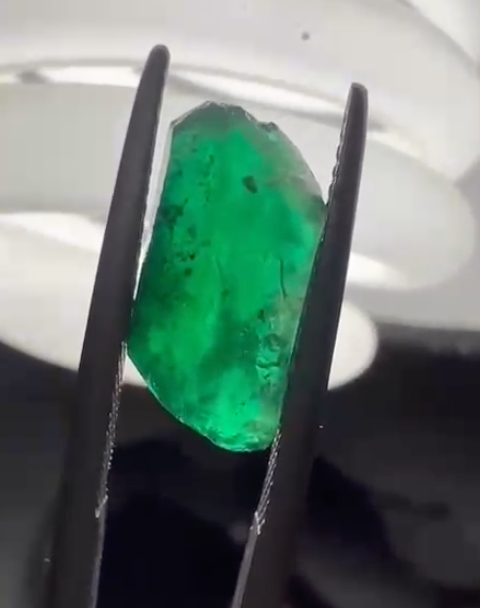
Emerald glow is more of an optical illusion designed for a couple of buyers, when light wavelength is entrapped in a natural emerald that happens during its formation, while green color is perceived by a proper observer or know-it- all emerald seller, They know its formation and they know exactly when a wavelength of light gets to pass through its internal structure. During its formal development, proper color is high in preference for some buyers over others. Evenly distribution of colorful emeralds does show a difference in its appeal over discolored options shown to new and inexperience buyer.
While presenting and proofing, color and hue play a significant role in making an emerald look good especially in its appeal, and secondly it demonstrates if light has absorbed well internally, and they are wary if oversaturation has occurred or not, like weak one does not do well either. In other words increase and decrease of one character like hue and tone over proper saturation requires a balance among hue, tone and saturation property because they are for highly valuable emerald piece. .

Shades of Green: Light Green Clarity vs. Dark Green Quality
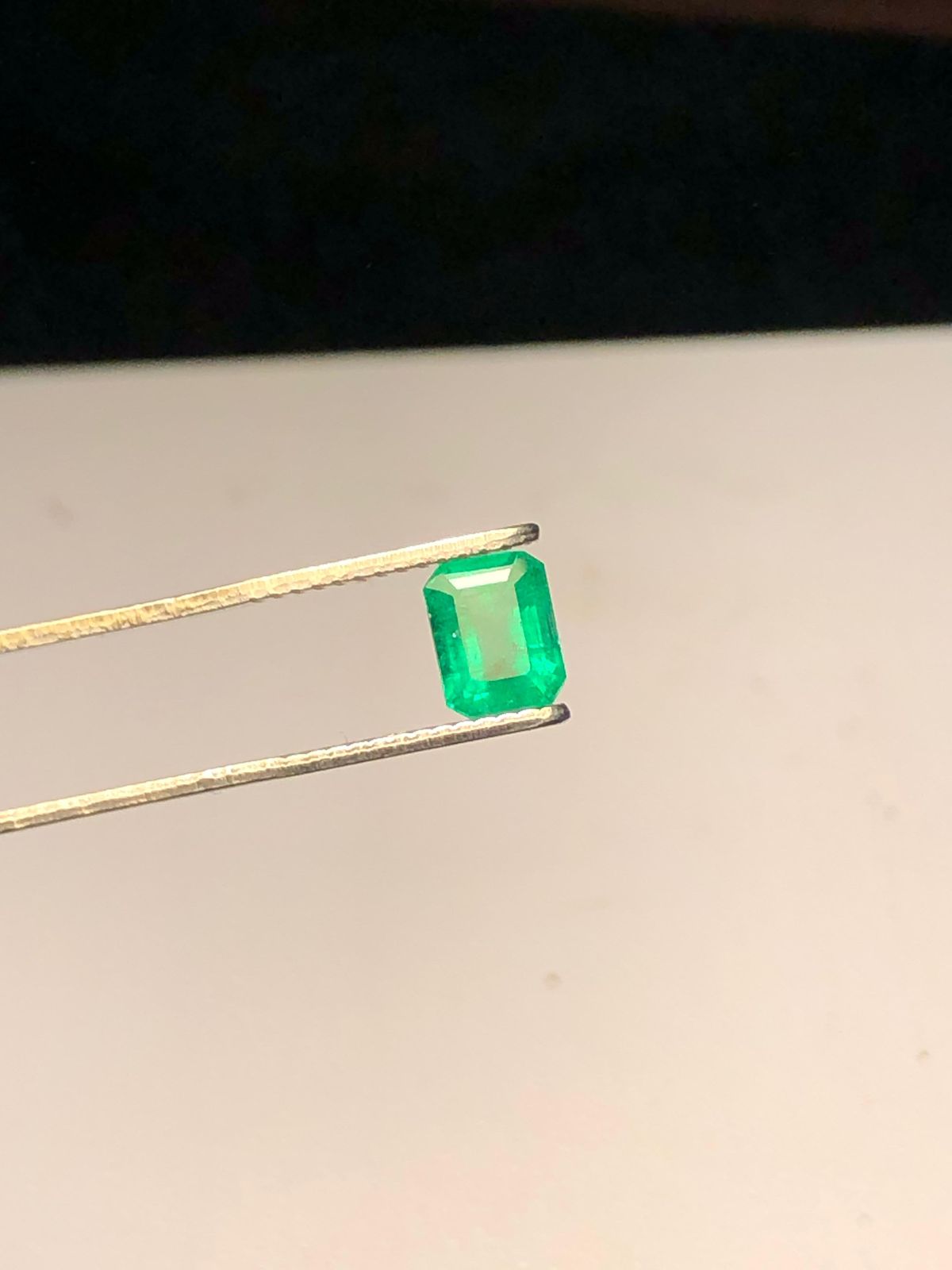
Dark green effect of a natural emerald is well sought after over other colors and condition they emerge from. Dark green is kind of free from over saturation in opinion of an expert. Light green is high in clarity over dark ones exposed and available in emerald market or its landmine. For some buyers, light green has more to show off in its internal structure, making it high value over other shades of green in emerald mine. Rough ones are also valued in an emerald market if a professional shows you around in addition to proofing and polishing rough deposit of emerald. To learn more about standard gemological evaluation procedures, refer to the Gemological Institute of America (GIA) Emerald Buyer's Guide.
Emerald Color Spectrum and Lab Microscopy Analysis
All emeralds in its mine and market are not high end since they don't exhibit all of its internal characters visible under a microscope placed in lab and other rich and reliable places. If we go by emerald color spectrum on green, you should not feel disappointed because emerald market has more to show off and more to please its owner and new buyer. Green emerald with blue undertone does gain or requires buyers attention if a proper show of them is arranged in a proper lab or its market.
Frequently Asked Questions (FAQs)
- What factors determine the price and quality of a natural emerald?
- Emerald quality and pricing are primarily evaluated through the classic 4Cs: Color, Clarity, Cut, and Carat Weight. Among these, color is the single most critical factor, evaluated by hue, tone, and saturation. Naturally vivid green emeralds with balanced saturation and good optical reflection command higher market value.
- How do cut and clarity impact an emerald's overall optical appearance?
- Professional cutting maximizes light reflection through the gem's crystalline structure and internal geometry. Proper cutting enhances clarity and brilliance while preserving optimal color distribution across the gemstone.
- Why are dark green emeralds with blue undertones highly prized?
- Dark green emeralds with subtle bluish undertones offer vibrant saturation without looking oversaturated or overly dark, making them exceptionally desirable among gem experts and buyers.
- Are inclusions expected in high-grade natural emeralds?
- Yes, natural emeralds are classified as Type III gemstones by gemological laboratories, meaning natural inclusions (known as jardin) are characteristic of authentic stones.
Conclusion
Evaluating natural emeralds requires understanding multiple interconnected factors including internal crystal structure, optical light reflection, color saturation, and professional cutting refinement. By combining lab research with expert gemological analysis, buyers and collectors can accurately assess the true quality and market value of natural emerald gemstones.
External Gemological & Educational References
Related Reading on Learn Gemstones
- Refining and Finishing Process of an Emerald: Cutting, Polishing & Grading
- Origin, Formation, and Refinement of a Natural Emerald Crystal
- What Makes Two Natural Emeralds Distinct in Color and Clarity?
- How Emerald Buyers Judge Quality Beyond Color and Appearance
- Emerald Worth: Investment Value and Market Price Explained
About the Author
This article was written by Adnan Akram, who focuses on natural emerald and gemstone education for buyers exploring color, clarity, and internal structure. Drawing on close study of grading factors like hue, tone, and saturation, Adnan breaks down technical gemological detail into practical guidance. His goal is to help shoppers understand what separates a truly high-grade emerald so they can choose a stone with confidence.





0 comments