

If you look at "rough emerald grading" google searches, you'll find all sorts of articles with scientific nomenclature, and a variety of clarity scales. The most common that you'll find tends to be VVS, VS, SI, or AAA, AA, A, depending on the vendor system.
But that doesn't tell you whether or not a stone is being priced fairly based on the carat weight or guide for pricing. However, we have the answer for all those questions and will tell you how to figure out if your emerald is worth investing in, or if you got burned.
Quick Summary:-
- Rough emerald price per carat means nothing on its own — you have to run it through expected cutting loss first.
- Clarity grade doesn't just describe looks; it directly changes your emerald cutting yield.
- Mixed wholesale emerald parcels should be treated as a distribution of quality, not a single grade.
- Origin (Colombian, Panjshir, Swat) changes the risk profile of a rough stone, not just its price.
- Always ask for video, reflected-light shots, and a seller weight-loss estimate before buying rough online.
Start with the number nobody puts on the listing page: expected yield
First thing they don't tell you is that, after every cut of an emerald, you lose a huge amount of the weight, usually around half to three-quarters. Lapidary isn't paid for the carats that they buy in terms of the tone, it's usually what's left after being cut. This can tell you so much more about the rough listings, and the price per carat.
So if you're looking at a 100-carat stone that's priced at around three grand, or $30 per carat, you need to assume you're going to lose half to three quarters of that weight. Let's say that you lose 60% of that in the parcel cut, leaving you with 40 carats of finished stone.
3000 divided by 60? That leaves you at around $75 per carat, before the labor costs.
This can change the math drastically, especially when you compare it to the price of the emerald based on color or clarity. Most rough stones may be a lot more expensive once polished, simply for this alone.
The yield percentage does vary based on the clarity grade of the material and where it comes from, two factors that are never brought up in the listing. This is why an accurate emerald cutting yield estimate matters more than the sticker price of any rough emerald price per carat you see in a listing — the real cost only shows up after the lapidary is done.
Clarity grade doesn't just affect looks — it directly sets your yield
You've seen the clarity grade before (VVS through SI, or AAA through C) and it will describe what the stone will be.
But what they don't tell you is that same clarity grade determines yield.
Cutters that work with VVS or a loupe-clean, rough can adjust the stone and cut it in a way that keeps most of the weight there.
Cutters that are working with SI or A grade will need to choose the designs carefully based on the inclusions and fractures, which means you might have to sacrifice some weight, so the stone looks clean. That means you might lose a lot more of the yield when you're cutting if the stone is less quality.
To put it simply: if you see a listing that says either "SI clarity" or "A grade", don't assume that you're going to get the same amount if you were using a material that was VS or A grade. Assume that you might lose a lot more with lesser quality stones.
Gemological labs back this up from the technical side, too. In its overview of emerald quality factors, the Gemological Institute of America explains that "the cutter must consider the rough's depth of color, durability, and inclusions" when planning every cut — which is exactly why lower-clarity rough gives up more weight than clean material does.
Mixed lots are a distribution, not a grade — treat them like one
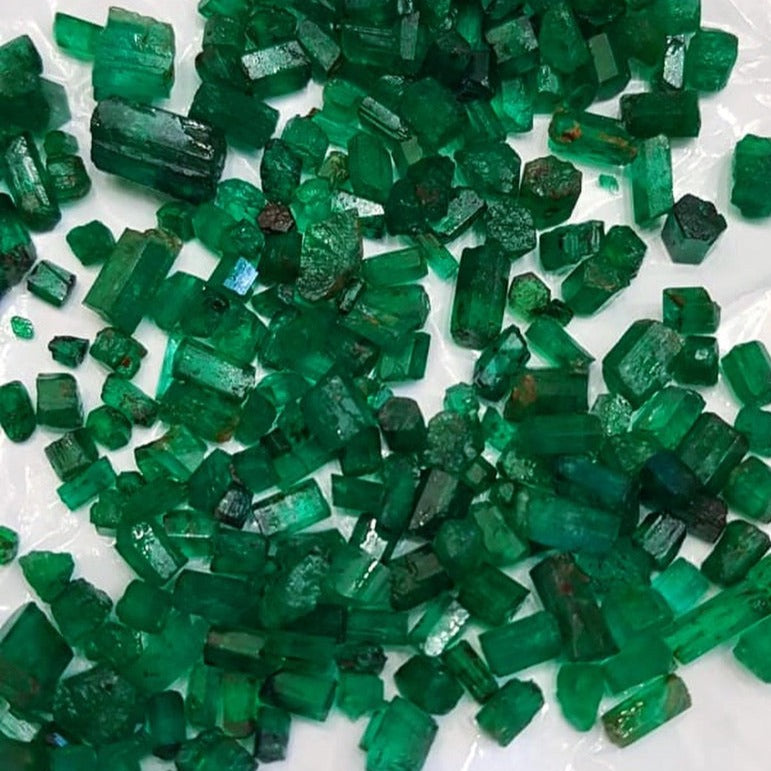
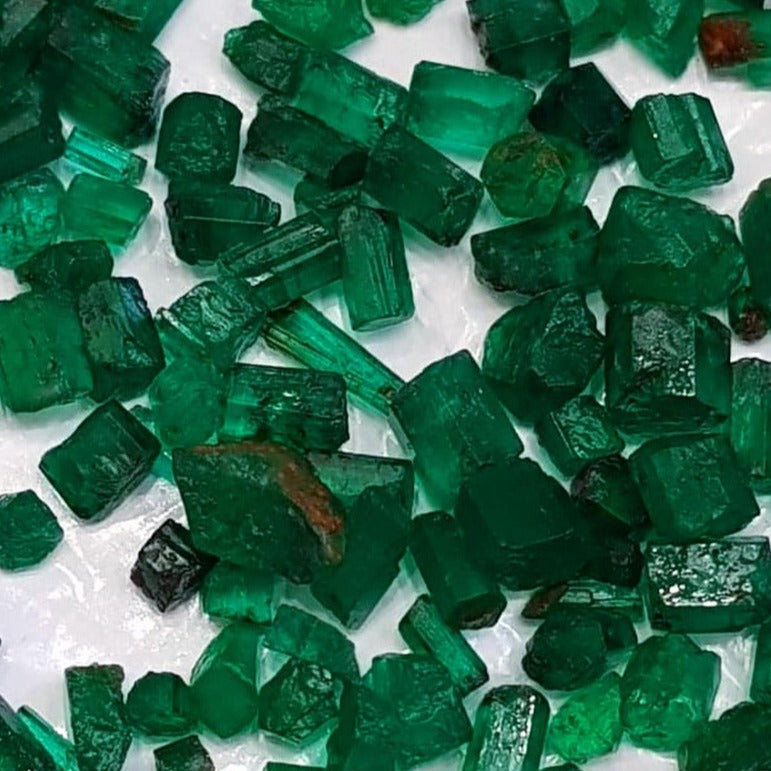
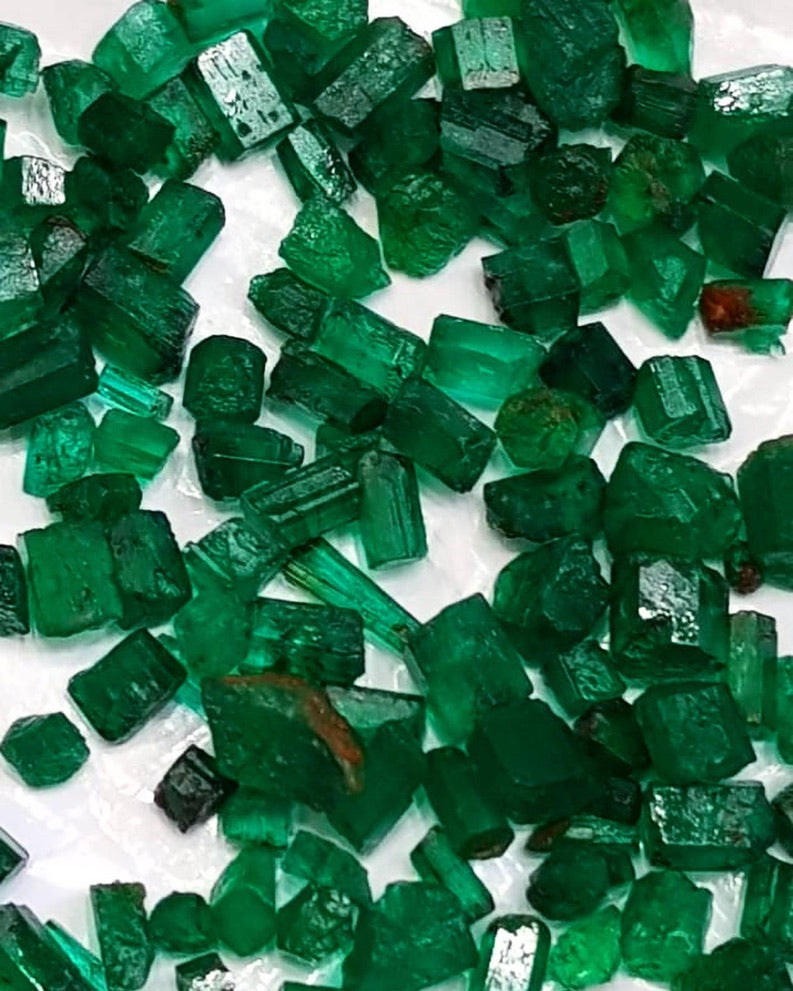
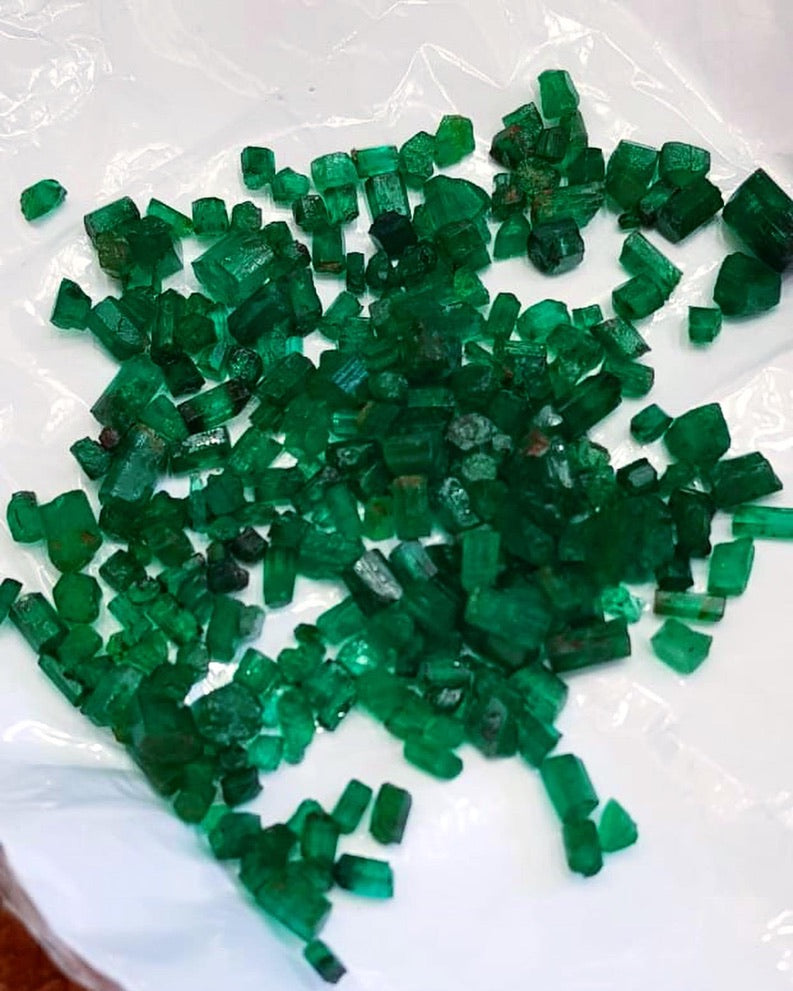
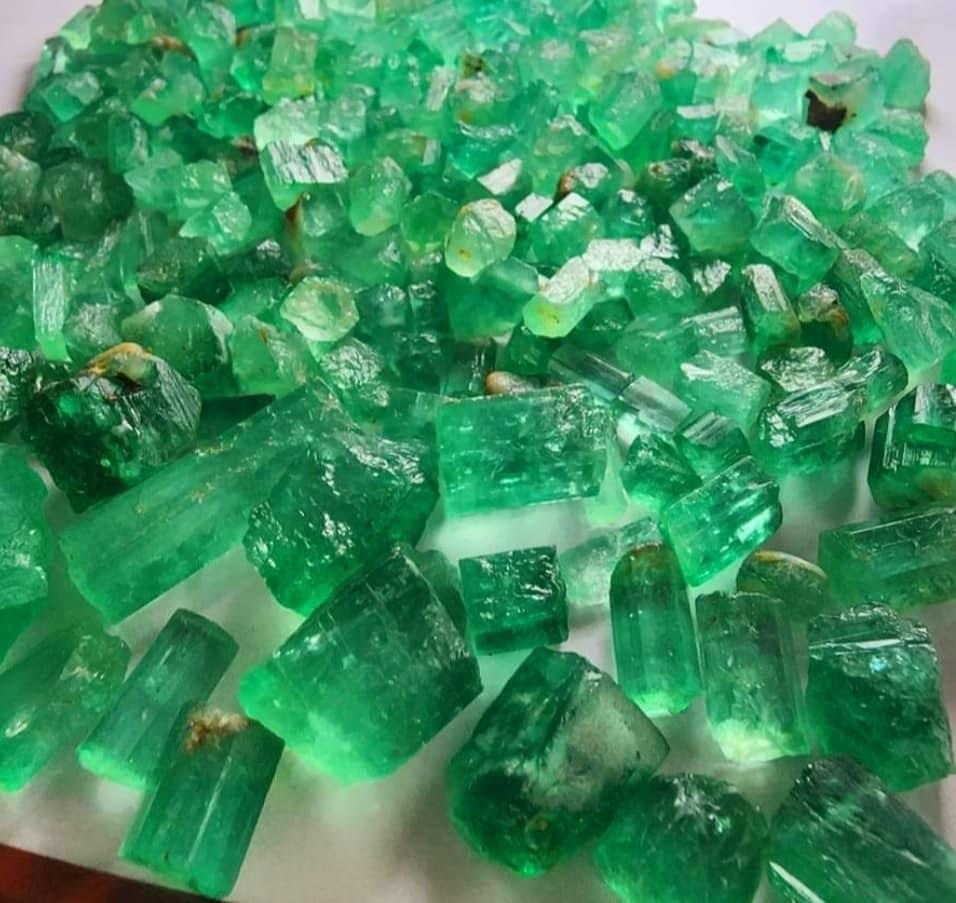
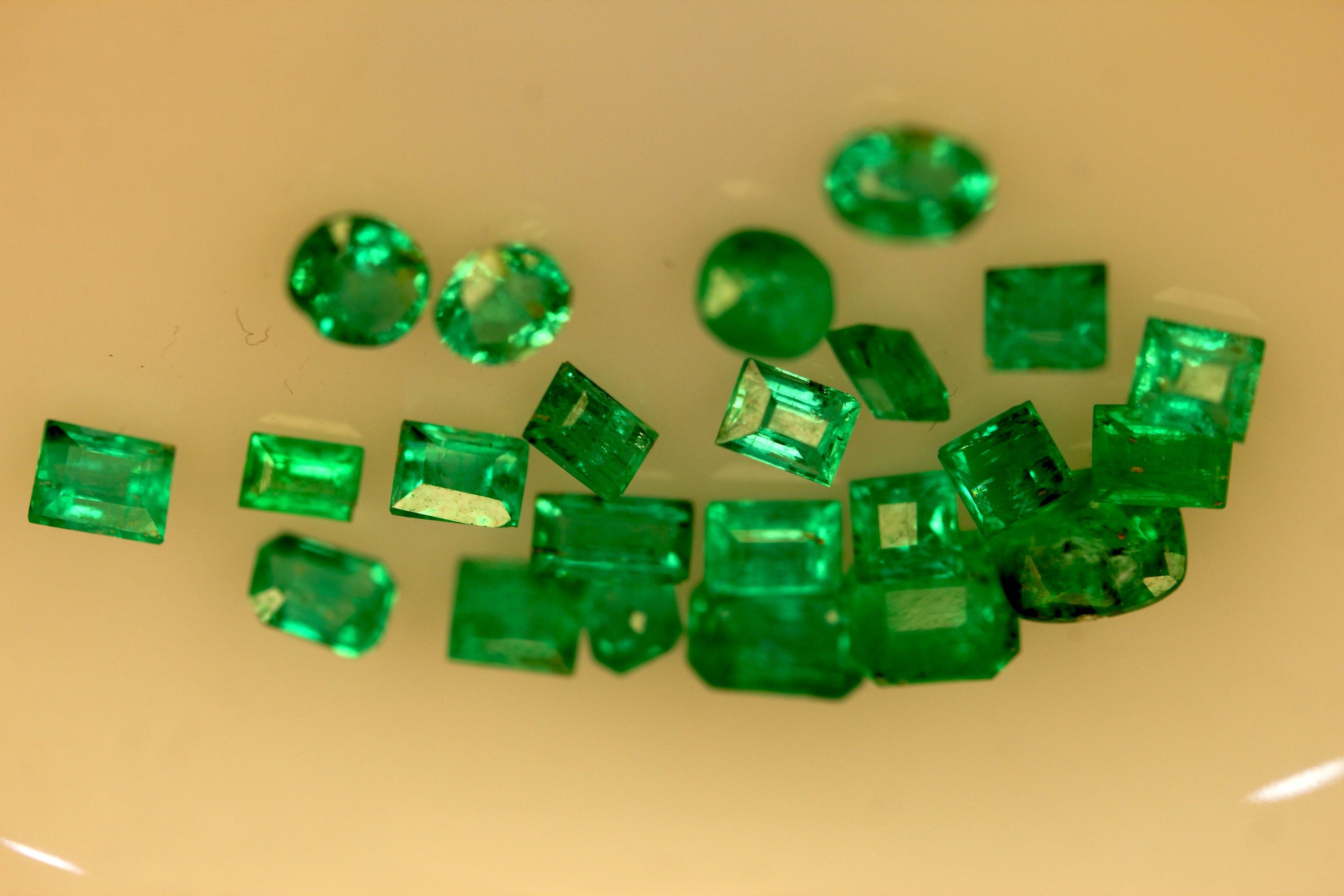
Now, when you take a wholesale parcel of stones, like 500 carats of "mixed quality" you can't use one grade for everything. Consider it like a spread of quality. Some of these are cabochon-grade, some facet-grade, and some is just complete garbage and is better off not even being weighed at all.
So you might get some nice, fat stone with a lot of value potential, but in exchange you might get pieces that are total duds.
Buyers who deal in wholesale emerald parcels regularly know this going in, which is why they never accept a single grade for an entire lot. When buying wholesale lots, always ask these questions:
- Is there a percentage of the parcel that's facet-grade, cabochon-grade, and reject that you can tell me?
- Has this been pre-sorted, or did it come directly from the ground
- Can you give me photos and videos of the sample altogether, not just the best stones?
Sellers that can answer this will give you something you can factor the price into. If they can't, you're basically taking a gamble.
Origin changes the risk profile, not just the price tag
Most guides write with the idea that Columbian emeralds are a default, so if you're buying Panjshir or Swat, you're going to need other factors to consider before buying and cutting, which we'll go over here:
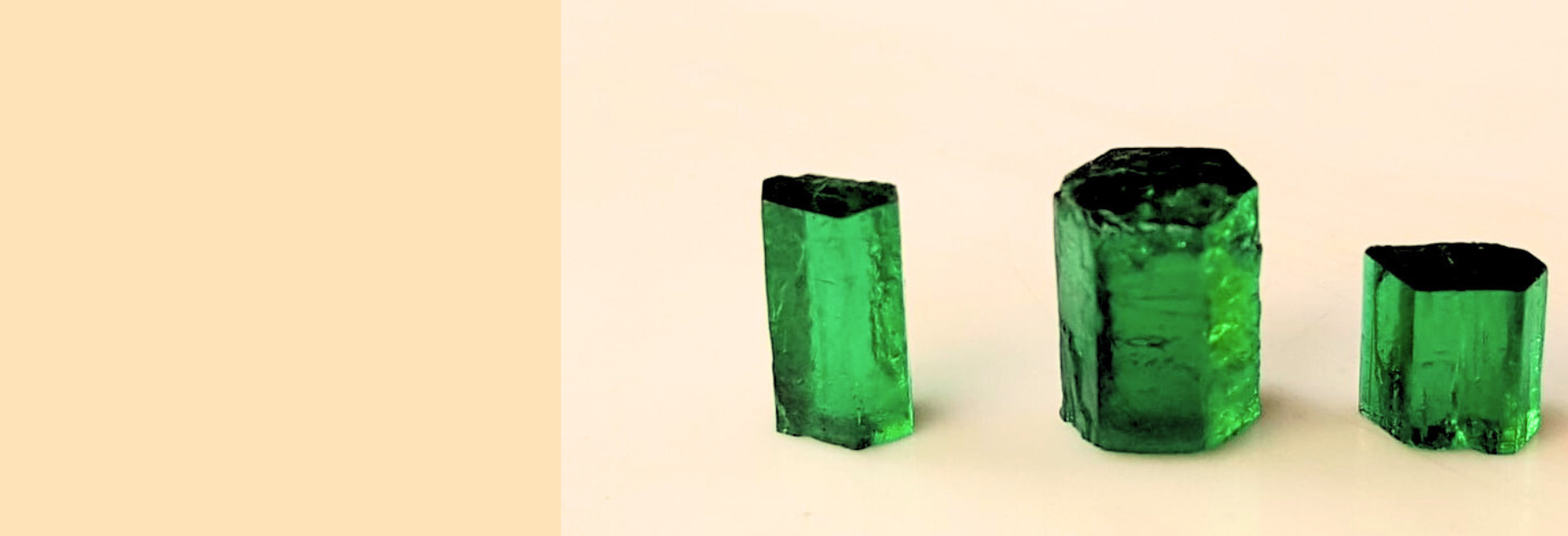
Swat valley rough: these tend to be more hexagonal with three-=phase inclusions and a distinctive material such as magnesite in it. most of these inclusions are regular and predictable, so most cutters will orient their cuts around the jagged materials. This means they're more forgiving in terms of value, important for these fracture-prone stones.

Panjshir valley rough: these are more gagged, serrated, and inclusions with multiple crystals trapped in them. They are very similar to Columbian compared to Pakistani. Most jagged inclusions will require cutting that's a bit more careful so that they don't break, which means you may get a lower yield compared to other stones of a similar clarity.

This doesn't mean one's better than the other, but if you're comparing Panjshir and Swat grade materials, the way inclusions are set up plays a huge part in yield, and that clarity isn't accounted for on charts because most are Columbian-focused, rather than other locales.
The Photo-Evaluation Checklist Before You Buy Online
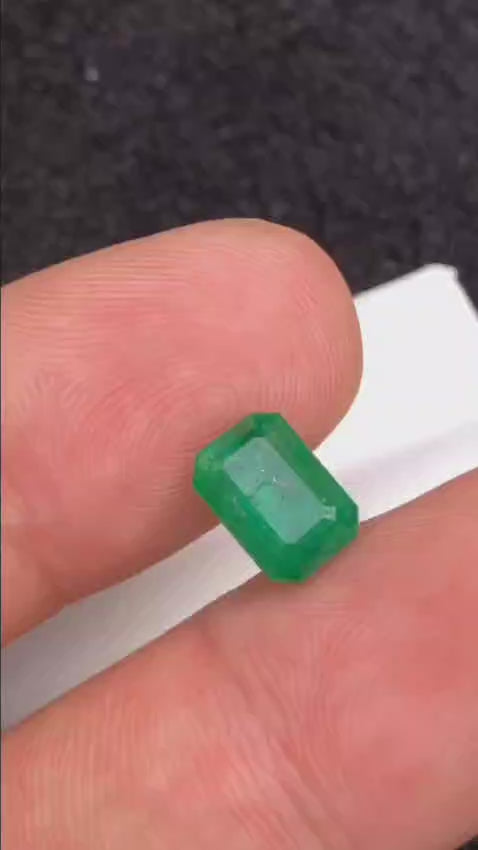
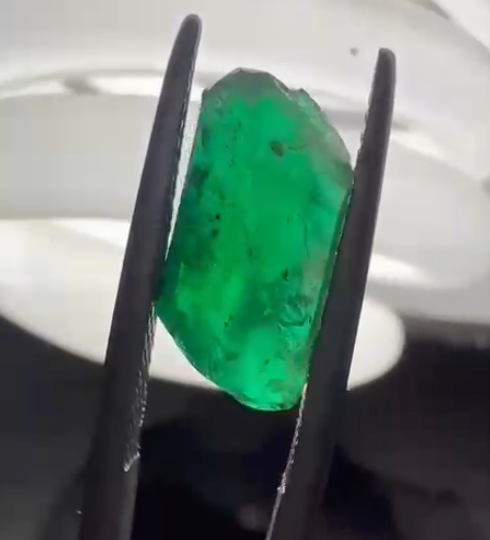
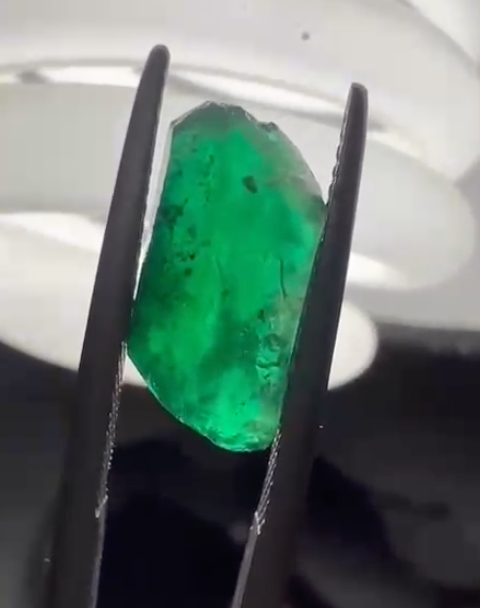
Before buying, you should ask for photos of the stones on backlit cardboard with the holes underneath so you can look at the backlighting (best for looking at inclusions) and whitepaper diffusion (best for color saturation.) these work together, and can flatter the stone, telling you a lot in one photo.
Before buying, ask for the following:
- Video, rather than static photos, particularly rotating in daylight and outside of a lightbox
- A separate reflected light shot to look at the surface color and texture without light to skew the way it looks
- A weight-lost estimate from the seller, important if they've cut this material in the past.
- The documentation on where the stone comes from, or if they're assuming based on the way it looks. This is particularly important for stones of mixed origins rather than one location.
Putting it Together: Pricing a real Listing
Here's an example of how this pricing might work.
A 150 carat Panjshir parcel is priced at $9999, just under 10 grand. They are described as facet grade. The things you should ask to determine if this is legit are:
Most facet grade material will yield towards the higher end of the loss range, so you'll probably lose around 60-75 carats when cutting.
The real cost of each carat will be around $130-165 before you factor in cutting labor and the rest of the parcel. Even those that are considered "facet-grade" will have small stones and not just one large piece.
When you finish, compare that to the graded Panjshir emeralds that are retail price. If you notice that there's a big gap between the cost-per-carat of your stone and the finished value, you might want to jump on it, especially if the discrepancy covers cutting costs and any other loss. It may legitimately be a good deal.
On the flip side, if you do the math and it comes out to $9899, that's only $100, not enough to justify the cutting costs and other losses, especially in time and money, so it wouldn't be good to buy this parcel, and might want to go for something lower in price.
Knowing the cutting costs and math can turn the initial number from one that makes you surprised to a clear-cut deal you can completely analyze and determine if it's worth your while.
Conclusion
Grading charts are a great place to start, but they don't tell you the costs, how much you'll lose, and the outcomes based on the item, especially if it's all not on a single grade. The type of stone as well can affect how much is cut, and how much of a loss you'll take. It's also worth remembering that laboratory grading and retail grading aren't the same thing — the GIA's own buyer's guide points out that "GIA evaluates emerald but does not grade it," which is why price-per-carat math, not a chart, is what actually tells you whether a rough parcel is worth buying.
Always factor in the cutting costs, stone, and price before asking for more information from the seller. If it's a mixed lot, always factor in that some of the stones might be good, and some will just be garbage.
Finally, make sure that you factor in how inclusions might affect the cuts, especially when comparing different types of gemstone parcels.
It might seem like gambling when you first look at this, but once you do the math and have an answer of what you'll lose or gain, it'll become a bet that's informed, with the odds clearly stated so you can win.
Frequently Asked Questions
Q1. What percentage of a rough emerald's weight is typically lost during cutting?
A- Most rough emeralds lose roughly half to three-quarters of their starting weight once faceted or cabbed. The exact emerald cutting yield depends on clarity grade, the shape of the crystal, and how many inclusions the cutter has to work around.
Q2. Does clarity grade really change how much weight I'll lose?
A-Yes. Cleaner, loupe-clean rough (VVS/VS-type material) allows a cutter to keep most of the original weight, while SI or A-grade rough with more inclusions often requires cutting around flaws, which sacrifices extra carats to keep the finished stone eye-clean.
Q3. How should I evaluate a mixed-quality wholesale emerald parcel?
A- Treat it as a spread of quality rather than a single grade. Ask the seller what percentage is facet-grade, cabochon-grade, and reject, whether the lot has been pre-sorted, and for photos or video of the full parcel — not just the best pieces.
Q4. Are Panjshir emeralds better than Swat emeralds?
A- Neither origin is strictly "better" — they carry different risk profiles. Panjshir rough tends to be more jagged with multiple trapped crystals, which can lower yield, while Swat rough is often more hexagonal and predictable, making it more forgiving to cut around.
Q5. What should I ask a seller before buying rough emerald parcels online?
A- Request video (not just static photos) rotating in daylight, a reflected-light shot of the surface, a weight-loss estimate from past cutting experience, and documentation on the stone's origin. Sellers who can answer all of this give you real numbers to price against.





0 comments